Teak Dining Table Round: A Complete Buying Guide


The table looks perfect in a showroom until it meets a real Southern Oregon dining nook. A chair catches the wall, the walkway narrows, and the “six-person” table suddenly feels like it was designed for four. Buyers in Grants Pass, Medford, and the broader Rogue Valley need to judge a teak dining table round by more than its grain. The right choice depends on the wood, diameter, seat spacing, base, placement, finish, and care plan.
A well-chosen round teak table can handle weekday breakfasts, holiday meals, and the indoor-outdoor rhythm common in Southern Oregon homes. Gates Home Furnishings has served the region since 1946, following George Gates Jr.’s original promise of “Service and Value.” That practical standard still makes sense here: measure first, test the chairs, inspect the construction, and choose a piece that earns its space.
Why a Round Teak Dining Table Belongs on Your Shortlist
A round teak dining table solves two problems at once. The circular top removes sharp corners from a compact room, while teak gives the table the stability expected from a serious hardwood. In a Grants Pass bungalow, a smaller Medford dining area, or a covered patio near Ashland, that combination can make the room easier to use without making the furniture feel temporary.
The buying decision comes down to seven points:
- Teak grade: Heartwood, sapwood, plantation-grown, and reclaimed teak can look different and perform differently.
- Diameter: The tabletop must fit the room before it can serve the household.
- Seating capacity: A table advertised for six may feel cramped with wide chairs.
- Chair clearance: The sweep behind each chair needs room for people to stand and walk.
- Base style: Pedestals, legs, and trestles change knee room and stability.
- Placement: Indoor, covered outdoor, and fully exposed locations require different planning.
- Finish preference: Some households want warm, oiled wood, while others prefer natural silvering.

Start with the room, not the photograph
Round geometry improves conversation because nobody gets pushed into a head seat. It also helps circulation in square or nearly square rooms, where rectangular corners often create awkward traffic points. That advantage disappears if the diameter is too large, so tape out the tabletop and pull actual chairs around the outline before shopping.
A 42-inch table can suit a compact breakfast nook, while a 60-inch table gives a family more useful elbow room. A 72-inch round table is a statement piece, but it needs a generous room and a clear path around the chairs. The sizing guidance later in this article puts those choices into practical room terms.
Showroom rule: A table isn't properly sized until the chairs have been pulled out and someone has walked behind them.
Round tables also work beautifully for milestone gatherings and intimate celebrations. Readers planning a small wedding reception or a styled dining moment may find useful ideas in this guide to planning sweetheart table flowers, especially when table scale and centerpiece height need to work together.
Teak's history supports the table's long-term role. Historical documentation describes teak use by Egyptians, Indians, and other Asian cultures for thousands of years, including temple architecture about 2,000 years ago, while global trade in teak logs and sawn wood grew 47% by volume and 58% by value from 2010 to 2012 according to the cited historical review (teak history and trade review). For a Rogue Valley household, the practical takeaway is simple: a round teak table can serve as an anchor piece rather than a short-lived dining-room replacement.
What Makes Teak the Right Wood for a Round Table
Teak earns attention because it combines moderate density, natural oil content, tight grain, weather resistance, and dimensional stability. A technical source reports an average basic density of about 0.49 g/cm³, volumetric shrinkage near 8.15%, and radial and tangential shrinkage of about 2.6% and 5.3% (technical teak data). Another material guide commonly reports density around 0.65 g/cm³, Janka hardness near 1,070 lbf, and Class 1 natural durability, the highest category for decay and weathering resistance (wood furniture standards).
That matters on a round tabletop. A circular top has no corners to hide movement, and its edge presents more exposed end grain than a simple rectangular profile. Seasonal humidity changes also put pressure on joinery, aprons, and the connection between the top and base. Teak's relatively low movement helps reduce the risk of cupping, warping, joint loosening, and visible gaps.
Heartwood, sapwood, and grade
Heartwood is the darker, more mature inner wood. It generally offers the performance buyers expect from teak, while lighter sapwood can appear in less expensive construction and may not provide the same resistance. Grade labels deserve inspection rather than blind trust. “A-grade” commonly signals clearer heartwood, “B-grade” may include more variation, and reclaimed teak can show knots, old fastener marks, color shifts, and repaired sections.
Plantation-grown Indonesian teak can be a practical choice when the seller documents its origin and legality. Sourcing guidance emphasizes SVLK legality verification in Indonesia, FSC-certified reclaimed teak, and documented traceability. It also warns that sustainable sourcing depends on proof for the specific table, not just a broad claim about teak as a species (teak sourcing and reclaimed wood guidance).
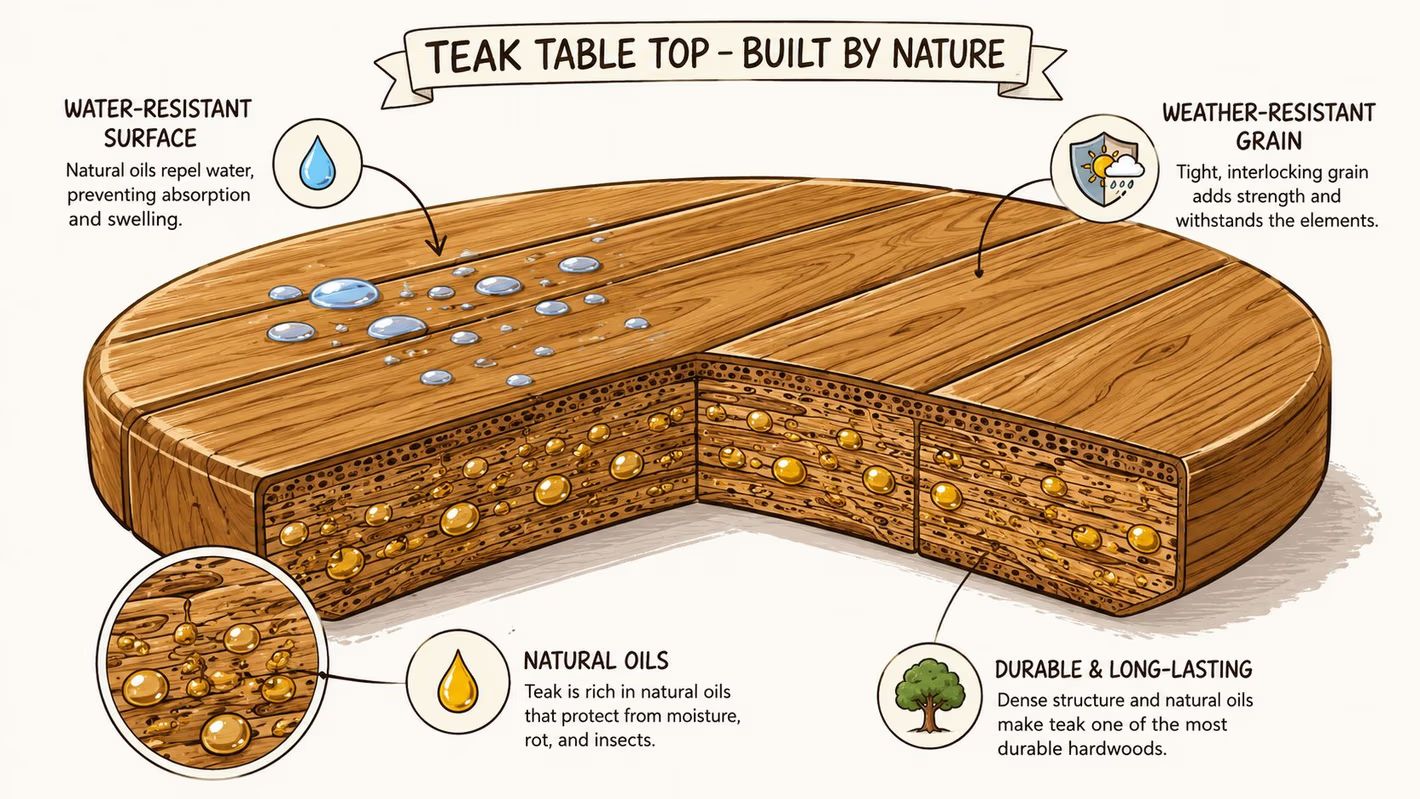
Kiln-dried construction deserves equal attention. Proper drying brings the wood closer to the moisture conditions it will face indoors, reducing the chance that the finished top will move aggressively after delivery. Buyers comparing dense outdoor hardwoods can also review this practical explanation of hardwood Ipe deck costs, then return to the specific questions that matter for dining furniture. For broader wood-selection context, Gates' guide to choosing hardwood furniture offers a useful companion resource.
Sizing and Seating a Round Teak Table for Real Rooms
Diameter controls more than tabletop area. It determines how far diners sit from one another, how wide the chair sweep becomes, and whether people can move behind seated guests. Independent sizing guidance places 42 to 48 inches at about four comfortable seats, 54 to 60 inches at about six, and 72 inches generally needed for eight, with room width exceeding the table diameter by roughly 36 inches on each side for chair pull-back and circulation (round table sizing guidance).
A separate product reference describes a 48-inch round teak table as seating four to five people, while recommending 120 cm for four chairs and 140 cm for six chairs (48-inch teak table seating reference). Those figures show why chair width and base design matter as much as the advertised seat count.
Round teak dining table sizing and seating chart
| Diameter | Comfortable Seating | Tight Seating | Minimum Room Size | Best Fit |
|---|---|---|---|---|
| 42 inches | 4 | 5 | About 114 inches square | Small nook or apartment dining area |
| 48 inches | 4 to 5 | 6 | About 120 inches square | Standard dining room or compact family space |
| 54 inches | 6 | 7 | About 126 inches square | Family dining with regular guests |
| 60 inches | 6 | 8 | About 132 inches square | Larger dining room and flexible hosting |
| 72 inches | 8 | More than 8 only with compromise | About 144 inches square | Spacious room and statement setting |
These room dimensions follow the clearance rule of adding roughly 36 inches beyond the tabletop edge on each side. They're working minimums, not permission to ignore door swings, cabinets, fireplaces, or walkways.
How the sizes translate locally
A 42-inch round table is the sensible choice for a narrow Grants Pass breakfast corner where four people eat most nights. A 48-inch table gives a standard dining room more breathing room and can handle four comfortably with occasional extra seating. A 54-inch table is the dependable six-person choice, while a 60-inch table suits households that host family and want space for serving dishes.
A 72-inch round table should be measured against the entire room, not just the open area around the centerpiece. In older homes around Rogue River or Medford, the wall clearance may look adequate until chairs meet a baseboard, radiator, or cabinet door. Gates' dining table size guide can help shoppers prepare measurements before visiting the showroom.
Choosing the Right Base Style for Your Household
The base determines whether a round teak table feels relaxed or restrictive. It also affects how the table behaves on older floors, where a small variation in level can turn an attractive tabletop into a daily annoyance. Southern Oregon buyers should sit at each option, shift their knees, and test whether the base interferes with the chairs.
Round teak table base styles compared
| Base Style | Legroom | Stability | Best For |
|---|---|---|---|
| Pedestal | Excellent, with open seating positions | Strong when properly weighted | Tight nooks, flexible seating, and frequent conversation |
| Four-leg | Good between legs, limited at corners | Familiar and dependable | Daily family use and structured seating |
| Trestle | Moderate, depending on stretcher placement | Very good | Farmhouse rooms and heavier visual design |
| Reclaimed-wood base | Varies by construction | Depends on joinery and footprint | Character-driven rooms and one-of-a-kind interiors |
A pedestal base usually wins for a compact dining nook. Without four corner legs, chairs can slide around the perimeter more easily, and guests aren't forced into awkward knee positions. The trade-off is visual weight. A substantial pedestal can feel formal, while a lighter design may suit a casual kitchen.
Four legs give a table a grounded, familiar appearance. They also make sense for households that want a visually structured room, but the leg positions can cap usable seating before the tabletop does. Trestle bases bring a stronger farmhouse or workshop character and can provide excellent stability, though the cross-support may compete with feet and chair placement.
Reclaimed-teak bases bring story and texture. Old marks, tonal variation, and visible grain can make the table feel like a found piece rather than a matched set. That character comes with a willingness to accept visible wear. For help blending a distinctive base with existing chairs and case goods, Gates' guide to mixing furniture styles is a useful design reference.
A base should support the household's habits, not just the tabletop's silhouette.
Indoor Versus Outdoor Use and Finish Options
The correct finish begins with the table's actual home. An indoor teak dining table in a heated Rogue Valley house can use an oiled or natural finish that keeps the grain warm and allows gradual color change. A covered patio table faces morning dew, dust, and wet winters, so it needs a more protective approach than a dining piece kept inside.
Fully exposed teak can be left unfinished and allowed to develop a silvery patina. That weathered look suits many homes in Applegate and Williams, especially when the table sits beneath trees or beside natural stone. The surface still needs cleaning, drainage, and protection from standing water. A fitted cover with ventilation is preferable to a sealed tarp because trapped moisture can create avoidable problems.
Match the finish to the placement
- Indoor dining room: Choose natural or oiled teak when the goal is a warm surface and visible grain.
- Covered patio: Use a suitable teak protector or marine-grade sealant, then inspect the surface as seasons change.
- Fully exposed patio: Allow natural silvering if that appearance is wanted, while keeping the table clean and raised from puddles.
- Mixed indoor-outdoor use: Decide where the table will spend most of its time. Constantly changing conditions make maintenance less predictable.
Placement also controls comfort. A rug should extend beyond the chair legs when they're pulled back, rather than ending directly at the tabletop edge. Over a 48-inch round, the chandelier should provide clear sightlines and comfortable headroom, with the final height set after the chairs and ceiling proportions are considered. Leave enough edge room for diners to pull chairs back without scraping walls or blocking a primary route.
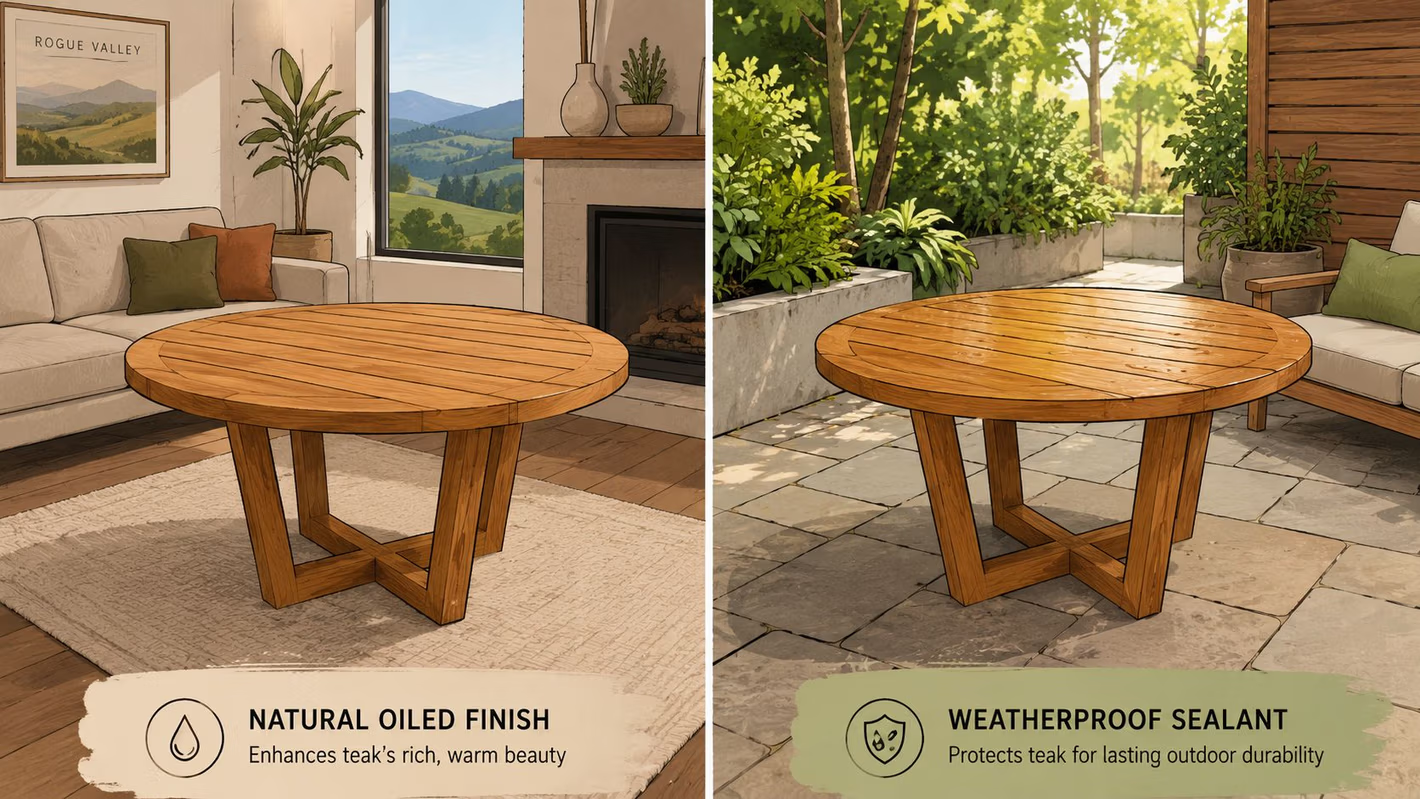
A round top can make a compact patio feel more open, but the chairs still need room to move. Indoors, the same shape can soften a dining room filled with straight cabinetry and rectangular openings. Gates' teak furniture care guide provides additional guidance for matching maintenance to the chosen finish.
Care and Maintenance That Protects Your Investment
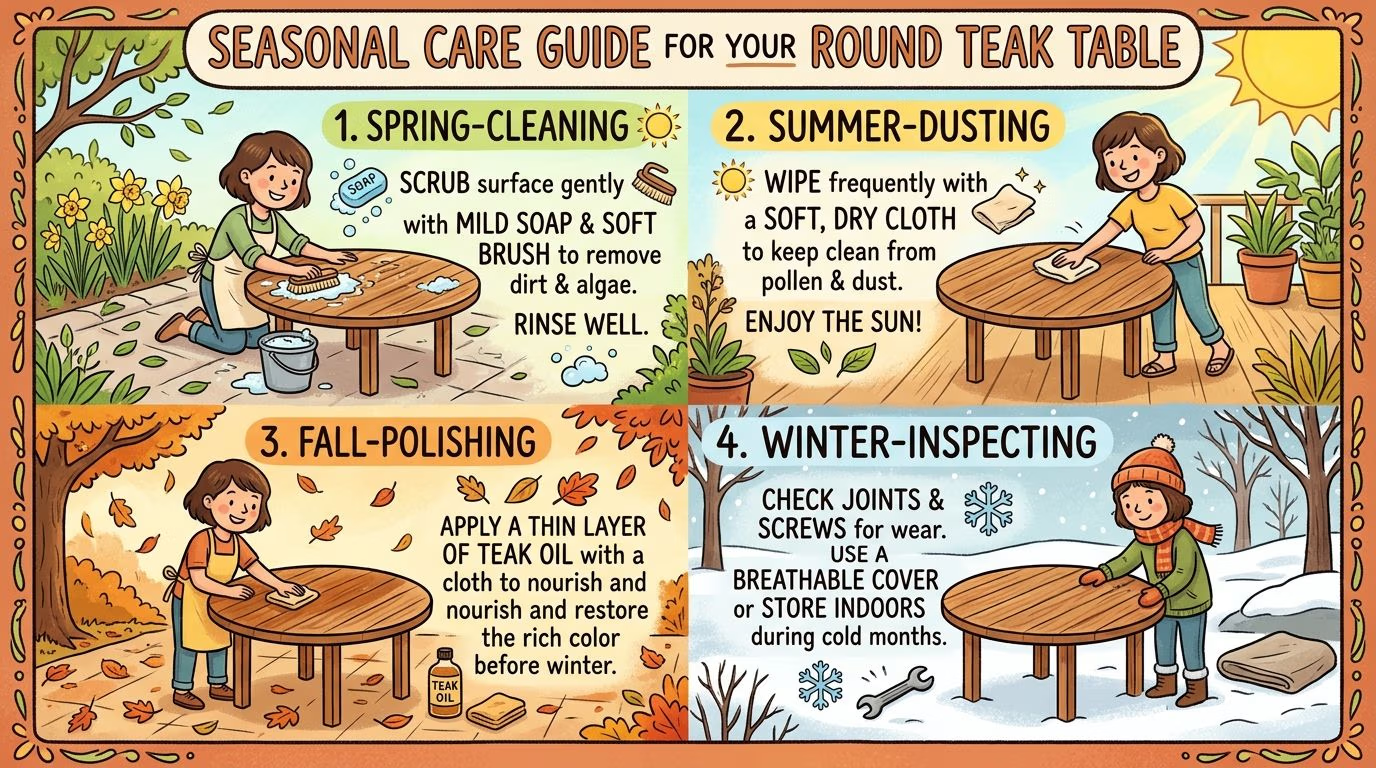
Teak doesn't need constant fussing, but it does need a routine. The goal is to remove grit, catch loose hardware early, and keep moisture from sitting where it can stress joints or finishes. A seasonal plan works better than waiting until the surface looks neglected.
A year-round care schedule
Spring: Wash the tabletop with mild soap and a soft brush. Inspect the joints and tighten base hardware if winter movement has loosened anything.
Summer: Rotate the table when it sits in uneven sunlight so the color develops more evenly. Wipe pollen promptly, particularly from textured or reclaimed surfaces.
Fall: Outdoor pieces may benefit from teak oil or sealer before sustained wet weather arrives. Indoor tables should receive a deeper cleaning before holiday meals.
Winter: Use a ventilated furniture cover outdoors and keep the table away from standing water. Indoors, stable humidity near 40 percent can help reduce checking in heated homes, as recommended in the care plan provided for this article.
Avoid shortcuts that damage the surface
Pressure washers can roughen the grain and drive water into joints. Bleach can discolor the wood and damage surrounding materials. Polyurethane varnish can trap moisture under the film, creating peeling or cloudy areas when the surface moves.
Natural silvering is not failure. It's a visual change caused by weather and sunlight. Households that want the original honey tone should maintain the chosen finish consistently, while those who prefer silver teak should avoid uneven spot treatments that leave patches of different color.
For older or neglected pieces, the teak restoration guide offers a starting point for cleaning, sanding, and refinishing decisions. Gates also offers protection-plan options for furniture purchases, giving shoppers a way to discuss coverage for everyday accidents and accidental damage before delivery.
Shopping the Round Teak Collection at Gates Home Furnishings
A serious round-table purchase should involve more than scrolling through product photographs. At Gates Home Furnishings in Grants Pass, shoppers can compare tabletop diameters, sit in the intended chairs, check knee clearance, and examine the grain at the 30,000-square-foot showroom. That hands-on test matters because a pedestal that looks compact online may feel intrusive, while a broad tabletop can seem smaller once chairs and serving pieces are placed around it.
The showroom's dining selection sits alongside the store's Unique Finds, including reclaimed wood, teak, and one-of-a-kind statement pieces. These rotating pieces give design-minded homeowners an alternative to predictable matching sets. The wider inventory also includes brands such as La-Z-Boy, Flexsteel, Ashley, and Beautyrest, so a dining-room refresh can happen alongside other furniture decisions without turning the visit into a disconnected shopping trip.
A practical Grants Pass showroom visit
A shopper from Central Point or Medford can arrive with a simple measurement sheet:
- Room dimensions: Include door swings, walkways, cabinets, and heating vents.
- Chair details: Bring the width and depth of existing chairs, if those chairs will remain.
- Finish preference: Decide whether warm oil, natural grain, or silvered weathering fits the room.
- Seating goal: Separate everyday seating from occasional holiday capacity.
- Delivery route: Note stairs, narrow halls, gates, and covered patio access.
The in-store coffee bar gives shoppers a place to pause after comparing tables and finishes. Staff can discuss whether a specific top and base combination suits the room, whether swatches are available, and whether a home consult would clarify the decision.
Delivery, setup, and payment options
Delivery service can extend across Josephine and Jackson counties, including homes in Grants Pass, Medford, Central Point, Ashland, and nearby Rogue Valley communities. White-glove delivery means trained crews bring the furniture inside, place it in the room of choice, unpack it, assemble or install it when needed, and remove packaging debris. Gates' service is designed to handle professional assembly and mattress haul-away rather than just leaving boxes at the curb.
Gates Easy Pay includes advertised options such as $0 down, a six-month interest-free promotion when paid in full within the promotional period, and no-credit-needed financing or lease-to-own pathways. Approval terms vary by program, so shoppers should review the agreement carefully and bring identification plus the information requested during the application.
Current store hours and contact channels should be confirmed directly before a trip. Shoppers can also ask about reserving a table, requesting finish swatches, scheduling a home consult, and arranging delivery details before placing the order. A typical Southern Oregon purchase should move from measurement and showroom testing to selection, payment approval, delivery scheduling, in-home placement, and final inspection.
Gates Home Furnishings offers round teak dining tables, Unique Finds in reclaimed wood and teak, flexible Gates Easy Pay options, and professional white-glove delivery for Southern Oregon homes. Visit Gates Home Furnishings in Grants Pass to test the chairs, compare bases, and find the round table that fits the room before ordering.