Recliner with Cup Holder: A Smart Buying Guide


Saturday night in Grants Pass often looks simple enough. The movie is queued, the popcorn is already gone around twice, and one chair in the room suddenly becomes the favorite because it holds the drink, the remote, and the tired body that wants to stay put for a while.
That is why a recliner with cup holder deserves more thought than one might give it. The right one turns a living room into a real comfort zone, but the wrong one creates spills, awkward armrest clutter, and a chair that looks good on the floor but fails at home. At Gates Home Furnishings, where the family business has been around since 1946 and still runs on George Gates Jr.’s promise of “Service and Value,” the practical question is always the same, does this chair fit the way a real Rogue Valley household lives? The answer depends on the room, the drinkware, and who will use the seat most often.

Why a Recliner with Cup Holder Is Worth Thinking Through
The cup holder is not some modern gimmick that appeared with streaming TVs and oversized tumblers. Patent records show U.S. beverage-container and cup-holder designs going back to at least 1970, and later filings adapted the idea for seating, including a 1989 combination cup holder and armrest patent and a 1995 theater drink holder patent. By the 2000s and 2010s, the idea had spread into retractable, lighted, and seat-back-integrated versions, which tells the whole story, this feature moved from add-on novelty to normal comfort hardware. That history matters because buyers should treat the cup holder as part of the chair's function, not a bonus afterthought. Patent record on seating-integrated cup holder evolution
A family in Southern Oregon usually feels the difference long before a sales pitch does. A chair that holds a standard can neatly but chokes on a travel mug becomes a source of irritation every night. A chair that seems comfortable in the showroom but crowds the wall at home can make the recline motion feel wrong from day one.
What the feature really changes
Practical rule: a cup holder affects how the chair lives in the room, not just where a drink sits.
That means the decision isn't only about style. It's about whether the chair supports movie nights, reading, post-work unwinding, and the kind of everyday use that happens in Grants Pass homes, Medford apartments, and Ashland living rooms.
A good recliner with cup holder also changes how the rest of the room functions. Remote controls stop migrating to the floor, side tables become less crowded, and the person in the seat gets a cleaner setup for snacks and drinks. A poor fit does the opposite, especially when the holder is too shallow, too narrow, or placed where it interferes with reclining. For shoppers who want a broader buying framework, the ultimate recliner buying guide gives a useful starting point without getting lost in the weeds.
The Main Types of Recliners with Cup Holders
The broad categories are easy enough to sort out once the use case is clear. Some chairs are built for simple evening comfort, some are built for full home-theater use, and some are made for mobility support. The trick is not choosing the fanciest-looking armrest, it's choosing the mechanism and layout that fit the household.
Manual, power, theater, and lift chair models
Manual recliners stay straightforward. A lever or handle does the work, and that simplicity appeals to buyers who want fewer moving parts and no electronics to maintain. Cup holders on these chairs are usually integrated into the arms or a center console, and they're a sensible choice for people who want a dependable seat without extra features.
Power recliners change the equation. Push-button or remote control positioning makes them a strong pick for home-theater fans, especially when the chair also adds cup holders, headrest movement, or USB charging. The trade-off is plain, more convenience usually means more complexity. For a broader look at powered seating, the types of power reclining seating page is a useful reference.
Theater-style recliners lean into the cup-holder feature the hardest. They usually use shared consoles, deeper drink wells, and sometimes tray surfaces, which makes them a natural fit for dedicated media rooms. Lift chairs are different again, since they help the user rise to standing and often place cup holders within easy reach for seniors or people recovering from surgery. That makes them less about entertainment and more about daily independence.
| Recliner with Cup Holder Types at a Glance | Recline Mechanism | Typical Cup Holder Style | Best For |
|---|---|---|---|
| Manual | Lever or handle | Arm-mounted or center insert | Simple everyday lounging |
| Power | Button or remote | Built-in arm or console wells | Home-theater comfort |
| Theater-style | Power recline, often in rows | Deep shared consoles and trays | Media rooms |
| Lift chair | Assisted rise and recline | Easy-reach arm or console holder | Mobility support |
Wall-hugger and standard frames matter too. A wall-hugger saves space in smaller Rogue Valley rooms, while a standard frame asks for more rear room and a bit more breathing space. That difference can decide whether the chair works in a Grants Pass living room or feels too tight once it arrives.
Cup Holder Features That Matter Most
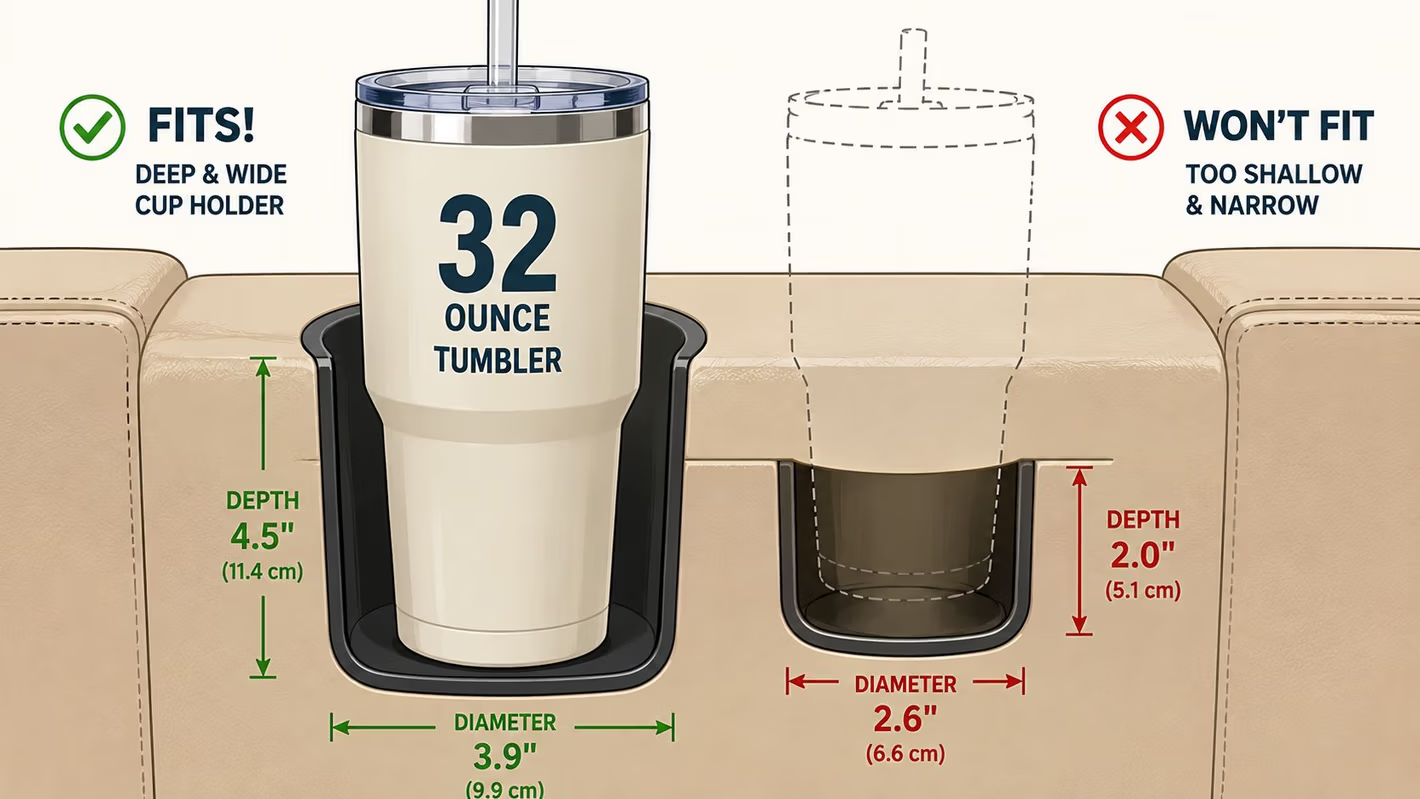
Cup holders look simple, but their geometry determines whether they work every day. Replacement modules commonly show inside diameters around 3.0 to 3.75 inches, outer lips around 4.0 to 4.38 inches, and two-tier designs that narrow lower in the well to about 2.5 to 2.75 inches. That tapered shape keeps a slim can or bottle upright instead of letting it rattle at the bottom, while the wider top still accepts larger drinkware. A near-3.5-inch opening fits many standard cans, tumblers, and 20-ounce bottles. Containers wider than about 3.5 inches, or those with a protruding handle, may need a slot or larger cutout. Cup holder sizing and geometry guide
Holders, inserts, and real drinkware
Choose the well shape before judging the finish. Recessed wells suit everyday use, pop-out holders keep the arm more flexible, and swing-out arms can help where seating sits close together. Shared consoles with snack trays work well in family rooms, but they need deep wells and enough surface area to keep spills away from upholstery.
A tapered well is especially useful for narrow containers. It supports the base instead of letting a slim bottle wobble, while the broader opening leaves room for a wider tumbler. Bring the household's usual drinkware measurements to the showroom. A reference on biggest water bottle for cup holders also shows why the container's width and shape deserve attention before ordering.
Safety, materials, and upholstery
Treat powered or LED-lit holders as electrical components, not decoration. A product safety recall involving electric seating with cup-holder components cited overheating, fire, smoke, and property damage. Check the model details and recall information before choosing lighting or powered features. Product safety recall notice for electric seating with cup-holder components
Materials affect cleanup. Molded plastic wipes down easily, metal-lined trim feels sturdier, and wood accents need protection from moisture. For upholstery, performance fabric is the practical choice for children, pets, and regular spills. Bonded leather cleans easily but can peel over time, while top-grain leather generally lasts longer. Gates Home Furnishings provides guidance on performance fabric furniture for buyers expecting heavy daily use.
Before you buy, test three things: the container's stability, the holder's depth, and your access to the drink while seated. A cup holder that works on paper can still be awkward if the arm, console, or reclined position blocks your reach.
Measuring Your Room the Right Way
The first mistake is buying the chair before checking the room behind it. Published sizing guides for reclining sofas with cup holders show typical three-seat widths of about 83 to 99 inches, depths of 34 to 40 inches upright, and fully reclined depths of 60 to 65 inches, with at least 12 to 18 inches of rear clearance recommended for standard reclining movement. That rear space matters because the footrest and back move the body backward, and the footprint expands in a way that can surprise anyone who only measured the upright chair. Zero-wall or wall-hugger styles reduce the rear clearance need to roughly 2 to 6 inches, which makes them a much smarter choice in tighter rooms. Reclining sofa sizing and clearance guide
Tape measure checks that prevent regret
Measure three things, not one. The chair's upright footprint, its fully reclined footprint, and the path the chair has to travel through the house all deserve attention. A chair that fits the room can still fail at the hallway if the doorway or bend in the corridor is too tight.
A practical checklist helps keep the process honest.
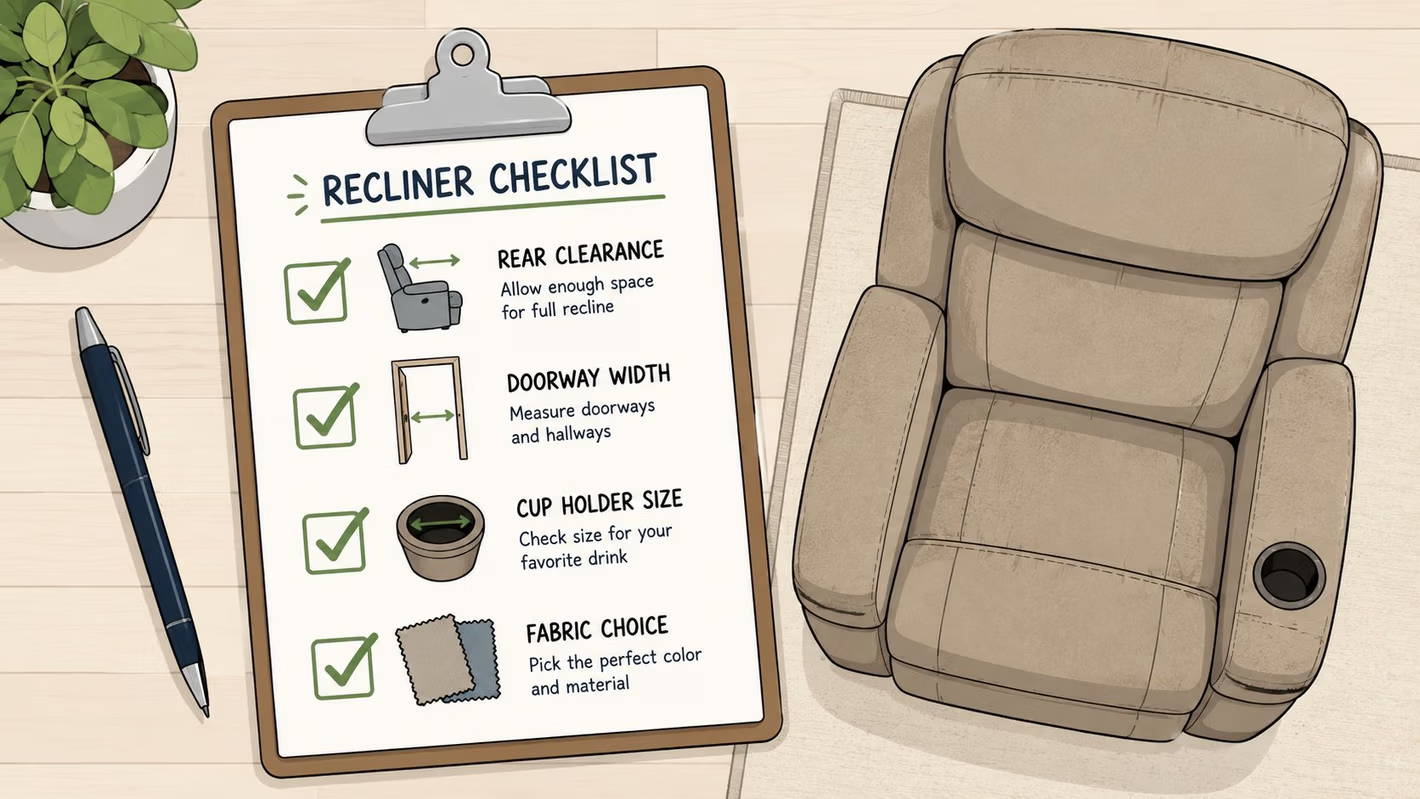
- Rear Clearance: Measure the space behind the chair, especially if the model is not a wall-hugger.
- Doorways and Hallways: Check the route from front door to living room, including corners and narrow turns.
- Side Table Placement: Decide whether the cup holder goes on the left or right side so a table or lamp doesn't block it.
- Full Recline Space: Mark the wall line with tape so the chair's deepest position is obvious.
- Room Photos: Bring pictures of the room into the showroom so the scale can be judged in context.
Good habit: if the room feels borderline on paper, it usually feels tighter after delivery.
Small-room tactics matter in older Grants Pass ranch homes and farmhouses. Angled placement can save inches, a corner can hide a bulky frame better than a straight wall, and measuring the diagonal helps when a delivery has to twist through a narrow opening. Shoppers who skip those checks usually blame the chair when the problem was placement.
For a deeper measuring walkthrough, the how to measure furniture guide gives a straightforward reference before anyone commits to a purchase.
Matching the Recliner to the Right Person
A good chair is not just about age. It's about mobility, habits, room size, and how the seat will be used after the sale. A retiree, a movie buff, a renter in an apartment, and a family with pets all need different answers.
By audience, not by guesswork
| Audience | Recommended Type | Cup Holder Style | Key Features to Prioritize |
|---|---|---|---|
| Seniors and recovery needs | Lift chair | Easy-reach arm or console | Assisted standing, stable seating |
| Home-theater fans | Power recliner or theater row | Deep dual wells | Console storage, tray table, comfort extras |
| Small-space renters | Wall-hugger or compact manual model | Narrow recessed holder | Tight rear clearance, modest width |
| Families with kids and pets | Power or manual with durable upholstery | Wipeable insert or console | Performance fabric, easy cleanup |
Seniors often need a chair that helps them stand without strain. A lift chair with a cup holder keeps essentials close and avoids the awkward reach that comes with deeper theater seating. Post-surgery buyers usually care less about style and more about access, stability, and armrest height.
Home-theater buyers want a different setup. Dual cup-holder consoles, tray tables, and easy-recline controls make a bigger difference than decorative stitching. In that case, the holder is part of a system, not a standalone feature.
Small-space renters in Medford and Ashland usually do better with wall-huggers or compact manual models. A chair that needs too much rear clearance ends up dominating the room and making the layout feel cramped. Families with kids and pets should lean hard toward performance fabric and wipeable cup-holder inserts because sticky drinks always find the seam at the worst possible time.
How Shopping at Gates Home Furnishings Works
Bring the chair into the room before you decide. The Grants Pass showroom lets shoppers sit down, test cup-holder depth with the tumbler or mug they use, and compare power recliners, lift chairs, and theater seating side by side. That simple step catches problems a photo will hide, like a holder that looks roomy but feels tight once a favorite drink hits the armrest.
The practical side matters too. Gates Home Furnishings has served the Rogue Valley since 1946, and the focus is still on helping neighbors after the sale, not just closing the sale. The store offers Gates Easy Pay financing with $0 down, 6-month interest-free options, and no-credit-needed paths, which gives buyers room to choose the right chair instead of settling for the wrong one.
What the delivery and protection side should include
Delivery matters with recliners because these chairs are heavy, awkward, and a pain to wrestle through narrow hallways. White-glove setup keeps the process cleaner, and it helps in older houses or tight floor plans where the chair has to turn corners and clear door frames without scuffing walls. Ask about care protection before the sale is final. A cup-holder chair sees spills from day one, and stain coverage should be part of the decision, not an afterthought.
The showroom also carries recognizable recliner and furniture brands, including La-Z-Boy, Flexsteel, Ashley, and Beautyrest, plus Unique Finds like reclaimed wood, teak, and one-of-a-kind statement pieces for homes that want something less ordinary. That range gives shoppers a comfort-first option, a practical option, and a more design-forward option without forcing every room into the same setup.
A real visit settles most questions fast. Sit in the chair, recline it, check arm height, see whether the holder clears the drink you use most, and ask the staff to talk through delivery and protection with the room layout in mind. That is the difference between buying a chair and buying one that fits life in Grants Pass, Medford, Central Point, Ashland, and the rest of Southern Oregon.
Your Decision Checklist and Next Steps
The fastest way to avoid buyer's remorse is to make the chair prove itself before money changes hands. Confirm the rear clearance in the actual room, measure the doorway and hallway path, and test the cup holder with the tumbler or mug that gets used most. If the chair will serve more than one person, decide now whether manual, power, lift, or theater-style seating makes the most sense.
Before signing off, check the details that matter after delivery. Ask about warranty coverage, stain protection, and Care Shield so spills and wear do not become a surprise later. If the room is tight, bring photos and measurements to the showroom so the staff can sanity-check the layout before the chair leaves the floor.
Visit the Grants Pass showroom on Rogue River Highway with the drink you use every day, or browse the current recliner selection online if that's easier today. Either way, the point is the same, make the chair fit the room, fit the body, and fit the way the household sits.
Gates Home Furnishings helps Rogue Valley shoppers choose recliners the practical way, with a real showroom, real guidance, and delivery that doesn't stop at the front door. Visit Gates Home Furnishings to browse recliners with cup holders, compare comfort options, and plan a purchase that works in your Grants Pass home, not just on a screen.