Guest Bedroom Furniture That Actually Works


A spare room often starts with good intentions and ends up holding a treadmill, spare boxes, and a mattress nobody wants to sleep on. Then family announces a visit, friends arrive from Medford, or adult children need a comfortable place for a longer stay. Suddenly, the room needs to work as a bedroom, storage area, and welcoming retreat.
The right guest bedroom furniture starts with decisions, not decoration. Room dimensions, sleeping habits, storage needs, and delivery access should guide every purchase. A polished headboard can't fix a bed that blocks the closet, and a clever sleeper sofa can't replace a supportive mattress for regular visitors.
Planning the Spare Room Before You Buy Anything
A good plan begins with the people who'll use the room. Weekend visitors, aging parents, adult children between moves, and seasonal guests all need different arrangements. A room used occasionally can tolerate a simpler setup, while monthly visitors deserve a genuine mattress, accessible lighting, and storage that doesn't force them to live out of a suitcase.
Measure more than the open floor. Record the doorway width, closet opening, ceiling height, window locations, electrical outlets, and baseboard heaters. Tall headboards and bulky sleeper sofas can become difficult projects on tight staircases, especially in older Southern Oregon homes. Photographing the room at eye level also reveals obstacles that a quick tape-measure visit can miss.
Build the room around its actual job
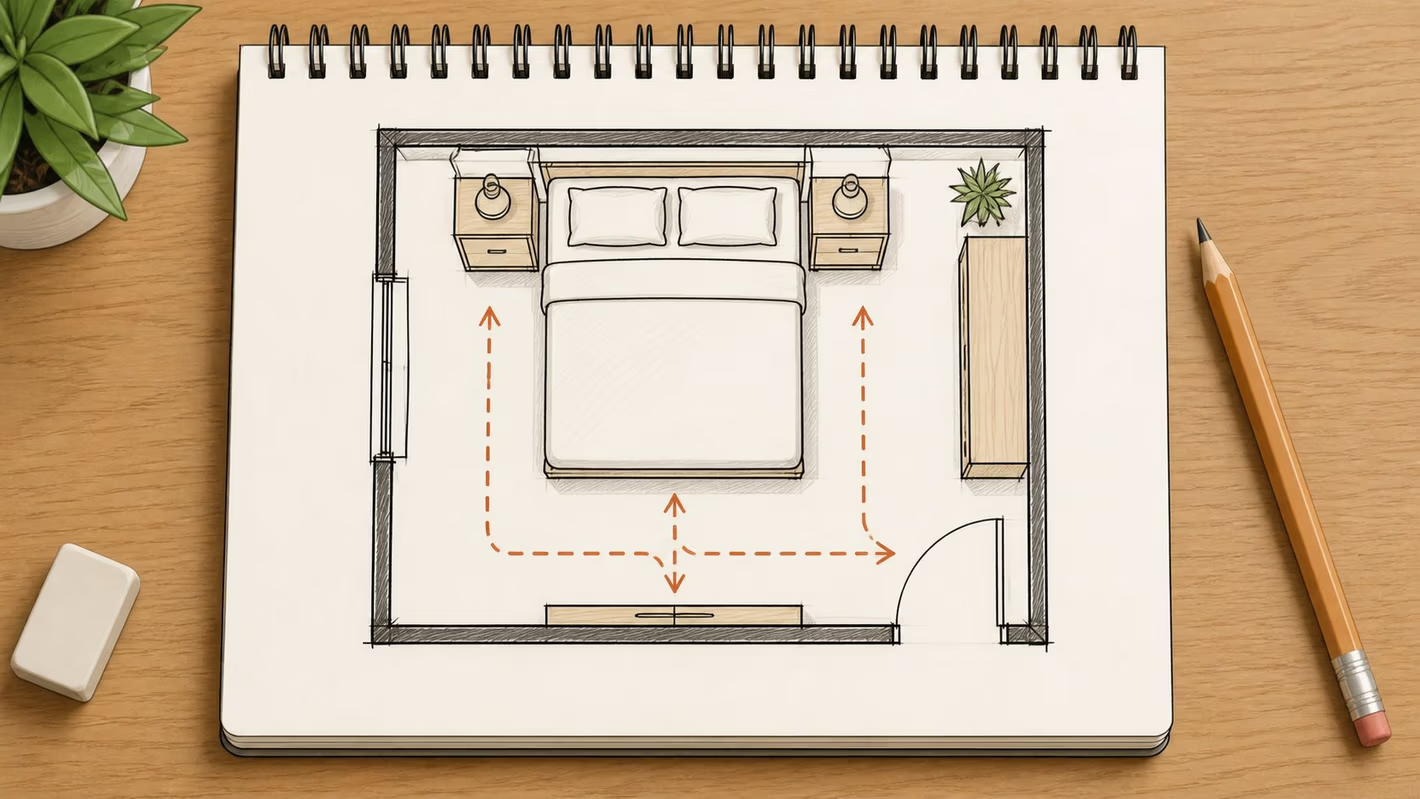
Sketch existing furniture footprints before browsing bedroom sets. Mark the preferred headboard wall, identify where guests will set luggage, and reserve space for a full-length mirror or reading chair if those items matter.
A practical planning sequence looks like this:
- Identify the primary guest: Decide whether the room mainly serves couples, solo visitors, older relatives, or longer-term family stays.
- Record fixed constraints: Include doors, windows, heaters, outlets, vents, and closet access.
- Choose the bed wall: Pick the wall that gives guests the clearest entry and the easiest path to the bathroom.
- Protect useful storage: Make room for a dresser, hanging space, or a luggage bench without sacrificing circulation.
- Check delivery access: Measure the route from the driveway to the room, including turns, stair landings, and narrow hallways.
For homeowners considering a converted garage or detached space, garage conversion feasibility tips can help clarify structural and access questions before furniture enters the picture. A room that looks spacious on paper may still need careful attention to insulation, entry routes, and finished-wall dimensions.
A focused guide to transforming a spare bedroom into a welcoming retreat can help connect those measurements to bedding, lighting, and finishing choices. The goal isn't to buy every matching piece. It's to make each piece earn its floor space.
Layout Math That Makes a Guest Room Feel Right
Comfort depends on geometry before it depends on style. A bed may look attractive in a showroom, but a guest room fails when visitors can't open a drawer, reach a lamp, or walk around luggage without turning sideways.
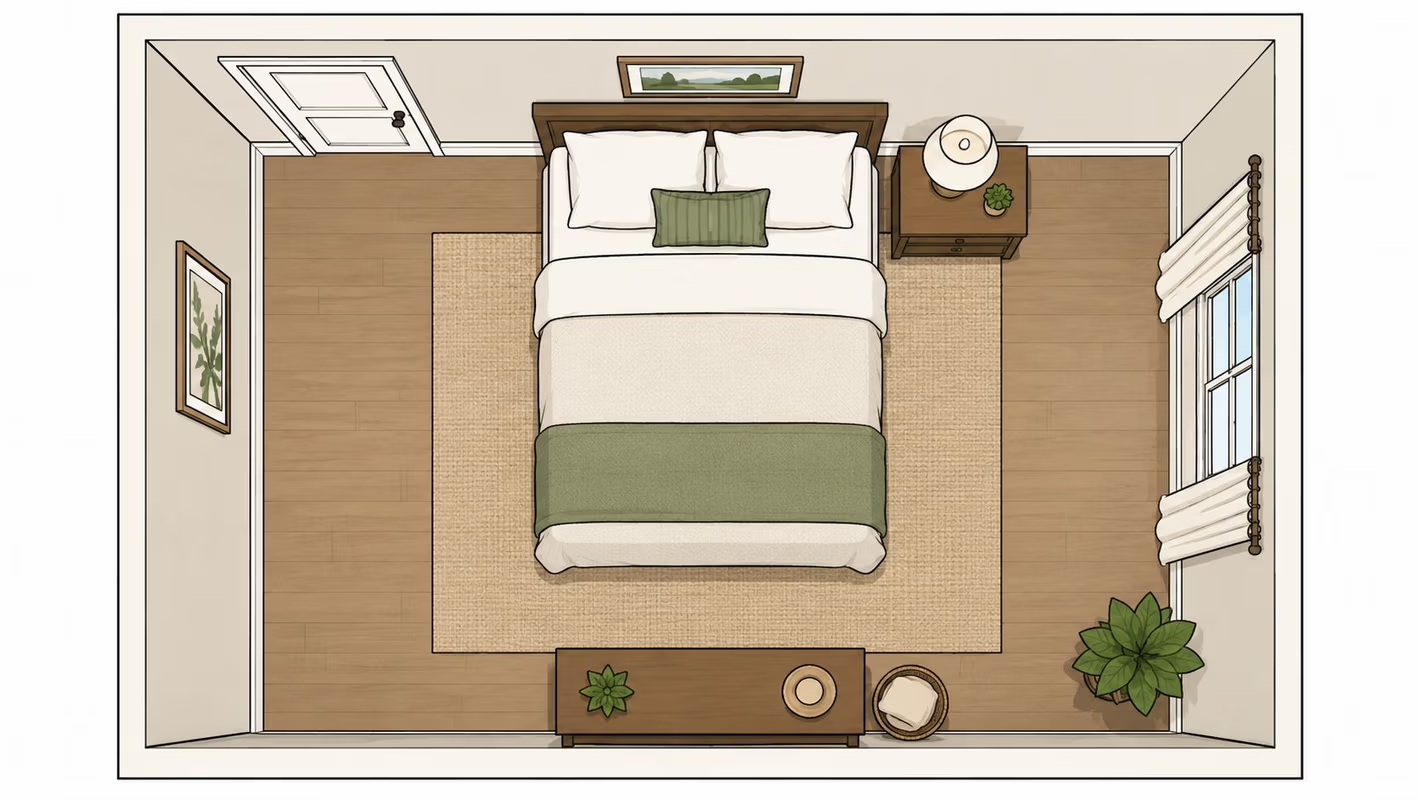
Neutral planning guidance recommends at least 24 inches, or about 60 centimetres, of clearance on one accessible side of the bed. The same guidance suggests 30 to 36 inches, or about 76 to 90 centimetres, at the foot of the bed, with roughly 36 inches, or about 90 centimetres, for the main walkway. These figures are summarized in guest-room layout guidance.
Turn measurements into a real floor plan
Start with the bed, not the dresser. Place it on the longest uninterrupted wall, then test the door swing, closet access, and path to the bathroom. If the room is under 10 by 10 feet, a second nightstand often creates more congestion than comfort, so a narrow shelf or wall-mounted sconce can preserve usable floor area.
Draw the room to scale on graph paper or use a simple digital room planner. Drop in the actual mattress footprint, bed frame depth, nightstand width, and dresser projection. Then mark the clearance around each item. Paper planning exposes conflicts before delivery day, when moving a heavy bed can become an expensive nuisance.
Give drawers and doors room to work
A dresser needs more than its own footprint. Open drawers project into the walking path, and closet doors require a clear landing zone. Window treatments can also interfere with tall case goods, while baseboard heaters should remain unobstructed.
Practical rule: A beautiful furniture arrangement is still wrong if guests have to move a nightstand to open the closet.
The bedroom furniture layout ideas resource offers another way to think through bed placement and supporting pieces. In Grants Pass, Medford, Central Point, and Ashland homes, floor plans vary widely, so the correct layout is the one that respects the actual room rather than copying a staged display.
Choosing the Sleep Surface for Your Guest Room
The sleep surface determines whether the room feels hospitable or merely functional. The right choice depends on footprint, expected use, and how much flexibility the room needs when nobody is visiting.
A traditional bed and mattress pair remains the strongest choice for a dedicated guest room. A queen suits couples comfortably, while a full bed makes sense for solo visitors or tighter rooms. A sleeper sofa earns its space in a dual-purpose room, but its folding mechanism and thinner mattress can compromise overnight comfort.
A daybed works well in a narrow room or a casual crash space. Its twin sleep surface also creates daytime seating, although taller adults may find it restrictive. Murphy and cabinet beds preserve open floor space, but they require dependable wall support, careful installation, and guests who are willing to operate the mechanism.
| Surface Type | Best Footprint | Comfort Level | Best Use Case |
|---|---|---|---|
| Traditional bed and mattress | Dedicated room with room for supporting furniture | Highest potential for sustained comfort | Monthly guests, couples, and longer stays |
| Sleeper sofa | Flexible room that serves another purpose | Convenient, but usually less supportive | Occasional visitors and multipurpose spaces |
| Daybed | Narrow room with limited floor area | Good for shorter stays and solo sleepers | Casual guest spaces and daytime seating |
| Murphy or cabinet bed | Compact room where open floor matters | Can be comfortable when properly selected | Rooms that must convert between uses |
Let frequency settle the argument
Occasional guests may accept a quality convertible piece. Monthly visitors should get a genuine mattress and a stable bed frame. Long-term family stays deserve a full setup sized to the people using it, not a temporary solution that becomes uncomfortable after several nights.
The mattress deserves separate attention because firmness, support, and body comfort can't be judged from a product name alone. A practical guide for choosing a mattress can help narrow the options before an in-person test.
The wider bedroom furniture category remains substantial and expanding. Estimates place the global bedroom furniture market at about USD 266.15 billion in 2024, with a projection of USD 383.12 billion by 2030, equivalent to roughly 44% growth over six years at a 6.5% CAGR, according to Mordor Intelligence's bedroom furniture market estimate. That market context matters because guest rooms use the same core categories, including beds, nightstands, dressers, wardrobes, and storage.
Why a Real Mattress Beats a Clever Sleeper
A real mattress is usually the better investment for a room that hosts people regularly. It gives visitors a more stable sleep surface, supports a broader range of body types, and avoids the compromises built into many folding mechanisms.
Sleeper sofas and daybeds have legitimate uses. Their flexibility matters in rooms that must change function, and a daybed can be a smart answer when floor space is tight. The problem begins when flexibility becomes the only buying criterion. A guest who sleeps poorly remembers the thin support, uneven surface, or metal frame long after the room's decorative details fade.
Comfort is a hosting decision
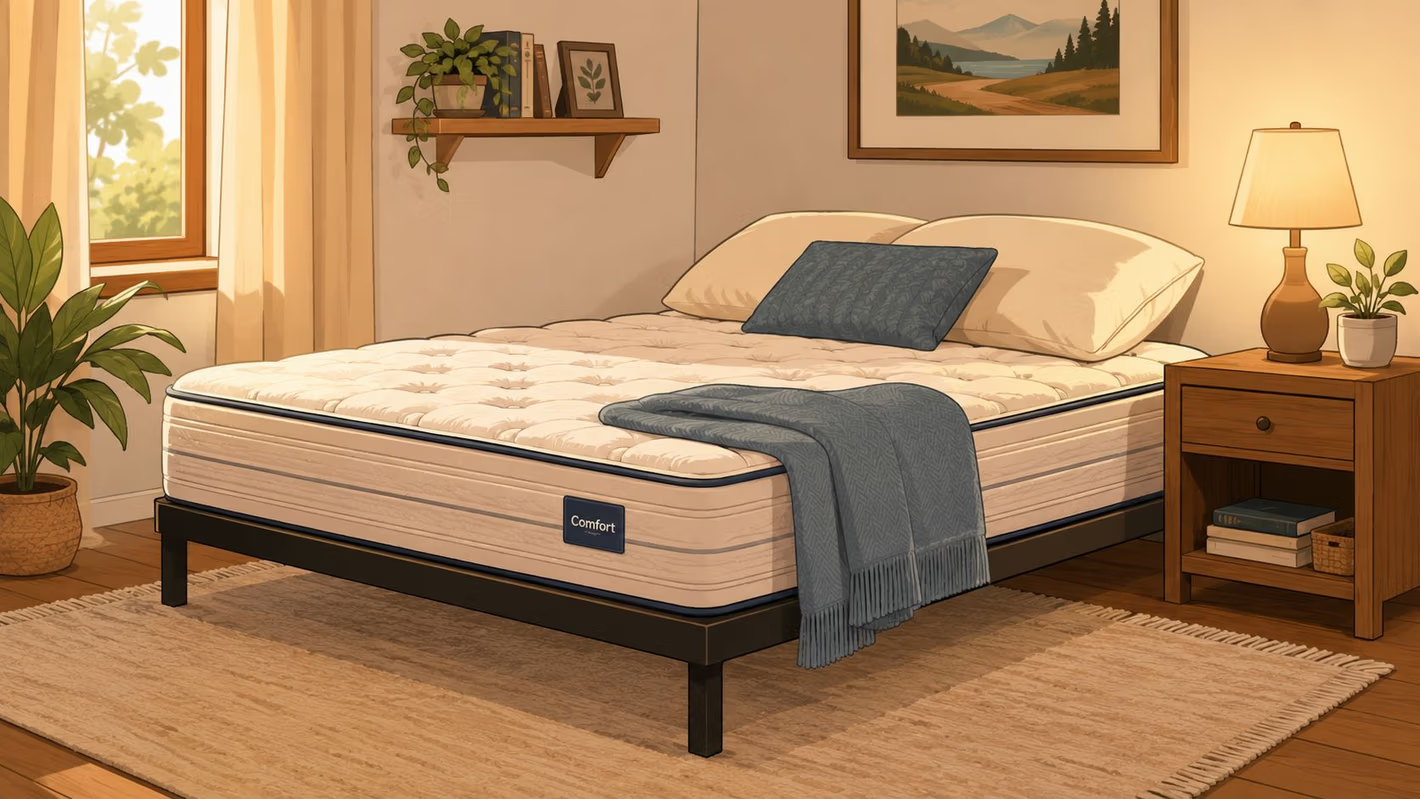
A proper mattress and foundation provide a more consistent base than a convertible sleeper. They also make bedding easier to fit and give the room a settled, intentional appearance. The result feels less like an emergency arrangement and more like a place prepared for an actual guest.
Bed durability deserves attention as well. EN 1725:2023 covers domestic and contract beds for safety, strength, and durability, while ISO 19833 is a related international furniture standard for beds. These standards address testing intended to evaluate frames, joints, and support systems under repeated and static loads, as described in the bed-testing standard document.
Test before committing
A showroom test reveals firmness and support that online descriptions can't. Guests can have different sleeping positions and comfort preferences, so a mattress selected solely from a label creates unnecessary risk.
The Gates Home Furnishings showroom in Grants Pass gives shoppers a 30,000-square-foot setting for testing beds, mattresses, and supporting furniture. The practical approach is simple:
- Lie on several surfaces in ordinary clothing.
- Check whether the shoulders and hips feel supported.
- Change positions instead of judging from one seated impression.
- Test the bed height, edge support, and ease of getting in and out.
- Confirm that the foundation and frame fit the room plan.
For households considering a twin daybed with extra sleeping capacity, information about trundles for guest rooms can clarify when an under-bed option makes sense. A trundle expands capacity, but it doesn't replace the comfort of a dedicated mattress for the primary sleeper.
Matching Furniture to the Guests You Actually Host
A room furnished for the wrong guest profile wastes money in a quiet way. The furniture may be attractive, yet it won't support the people who arrive in the Rogue Valley.
Parents visiting for holidays usually value easy movement, reliable comfort, and a place to sit besides the bed. Friends visiting for a weekend may need less storage but appreciate a full-length mirror and a convenient luggage surface. Adult children staying between homes need a work surface and drawers, while seasonal visitors benefit from durable materials and easy cleanup.
| Guest Profile | Bed & Sleep Surface | Supporting Furniture | Style Notes |
|---|---|---|---|
| Parents visiting for holidays | Traditional queen mattress and bed | Two nightstands, dresser, reading chair | Calm finishes, strong lighting, easy access |
| Friends stopping for a weekend | Full bed or comfortable queen | Luggage bench, mirror, compact nightstand | Relaxed, welcoming, uncluttered |
| Adult children between moves | Full or queen mattress selected for extended use | Desk, storage drawers, charging space | Practical, adaptable, residential |
| Seasonal visitors for rafting, hiking, or wine-country trips | Durable mattress with easy-care bedding | Luggage rack, storage bench, flooring-friendly rug | Performance fabrics, natural textures, forgiving finishes |
Let the room serve more than one purpose
A dedicated guest bedroom doesn't need to look like a hotel suite. A sturdy chair can support reading, dressing, or putting on shoes. A dresser can store guest clothing while holding linens between visits. A narrow desk can help an adult child without turning the room into a full home office.
For seasonal visitors, performance fabric and washable surfaces matter more than delicate decoration. Southern Oregon guests may arrive with outdoor gear, wet shoes, or dusty luggage, so a room with clear landing zones and durable rugs is easier to maintain.
Keep the style grounded
Warm neutrals, natural textures, and quieter finishes create a room that welcomes different personalities. They also work well with the wood tones common in Rogue Valley homes. The furniture should feel collected rather than assembled from a single rigid set.
Regional demand reinforces the importance of compact, storage-aware design. Asia-Pacific accounted for about 40.01% of global bedroom furniture revenue in one 2024 estimate, while another estimate placed its share at 40.6% in 2025 and described it as the fastest-growing market, according to Data Bridge Market Research's bedroom furniture analysis. Those figures reflect a broad market shaped by apartment living, smaller footprints, and demand for efficient storage. The same logic serves a small guest room in Central Point or Ashland.
Unique Finds and Reclaimed Wood for a Room With Character
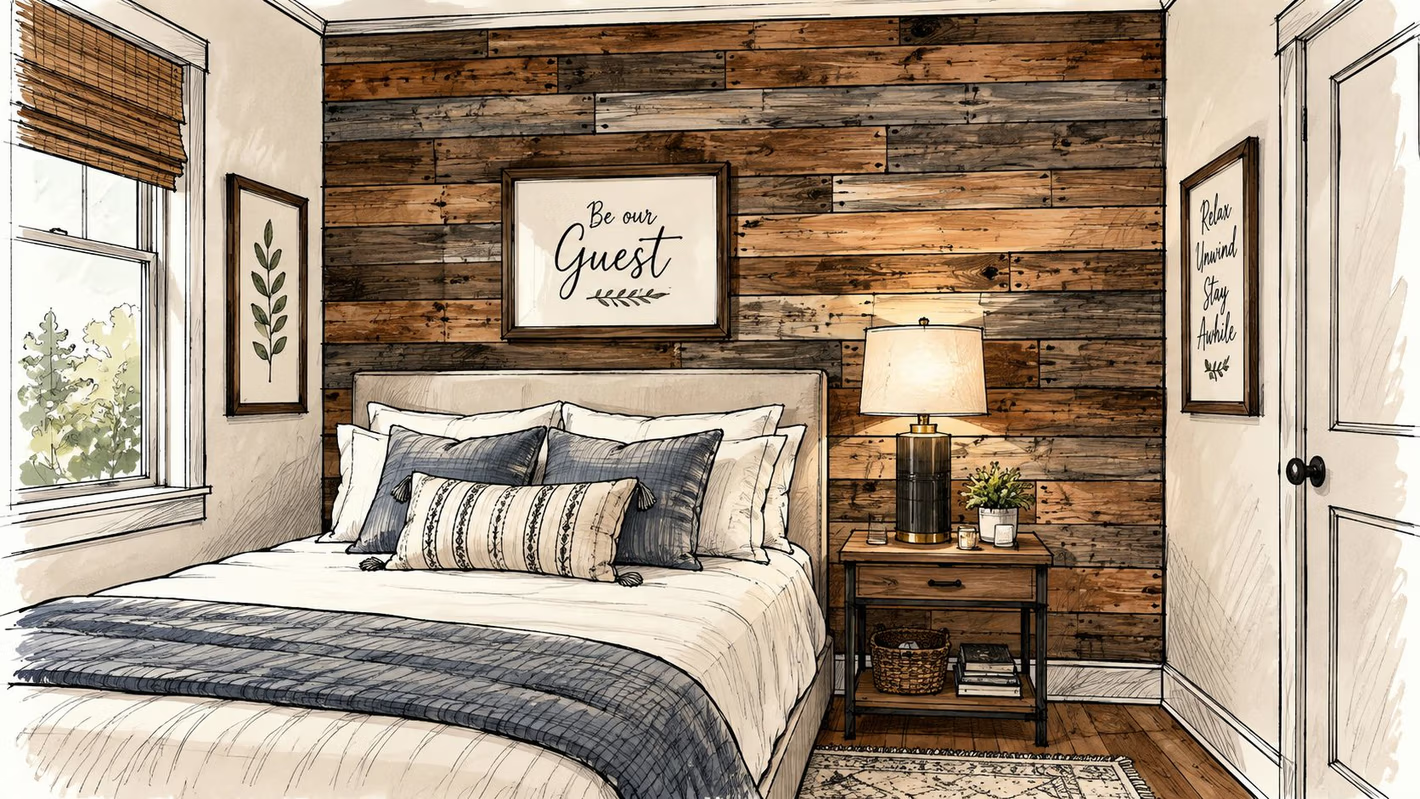
Reclaimed wood and distinctive hardware turn a generic spare room into a space that feels chosen rather than assembled. For a Grants Pass homeowner furnishing a plain guest room, a headboard made from salvaged Oregon timber can establish warmth, while a refurbished dresser with original brass pulls adds history. A hand-turned bedside table then gives visitors a detail they will not see in every other house.
Choose character without sacrificing structure
Unique furniture still has to work hard. Inspect the joinery, drawer movement, wobble, surface stability, and fasteners before buying. A beautiful finish cannot make up for a dresser that rocks or a nightstand that cannot hold a lamp securely.
Gates Home Furnishings' Unique Finds include reclaimed wood and teak pieces intended to serve as statement furniture rather than background filler. The trade-off is clear: irregular grain and handmade details bring character, while consistent dimensions make standard layouts easier. Choose the distinctive piece first, then test its scale in the room.
Layer the room around one strong piece
Let one accent lead. Linen bedding, woven rugs, warm metal lighting, and restrained artwork keep attention on the wood grain and patina. Too many competing finishes make the room feel crowded, while a quieter supporting palette helps the furniture feel rooted in Southern Oregon rather than staged for a catalog.
A practical approach to eco-friendly home styling means balancing new purchases with durable, reused, and natural materials. Choose pieces that can withstand regular use and remain useful when the guest room's role changes.
Shoppers seeking reclaimed wood furniture near Grants Pass should inspect pieces in person and compare their measurements with the room plan. Showroom testing catches uneven surfaces, unusual depths, and awkward proportions that a listing cannot show. Ask about delivery before committing, especially when a substantial reclaimed piece needs careful placement.
Budget, Financing, and White-Glove Delivery Made Simple
A guest-room budget should protect sleep quality first. Put the bed and mattress at the top, then plan for storage, lighting, bedding, and accents. A decorative mirror can wait when guests still lack a supportive place to sleep or a practical spot for clothing.
Use a written budget so each trade-off stays visible:
- Core sleep setup: Bed frame, foundation, and mattress.
- Necessary storage: Dresser, nightstand, closet support, or luggage bench.
- Comfort details: Lamp, chair, bedding, and rug.
- Character pieces: Reclaimed wood, teak, art, or a distinctive accent table.
- Value alternatives: Outlet and clearance furniture when the room needs to stretch further.
Read every financing term
Gates Easy Pay includes $0 down, six-month interest-free options, and no-credit-needed programs, subject to applicable program terms. Interest-free furniture promotions commonly use deferred interest. Pay the balance in full within the promotional window, or interest may accrue retroactively from the purchase date.
No-credit-needed financing generally uses a separate lease-to-own or alternative financing arrangement rather than standard credit-card approval. Before signing, ask for the total obligation, payment schedule, promotional deadline, and ownership terms. Review the available furniture financing options before deciding whether the payment fits the room's full budget.
A lower monthly payment does not automatically mean a lower total cost. Compare the complete obligation with the cash price, and keep delivery and assembly in the same spending plan.
Confirm what delivery includes
White-glove delivery should take the furniture beyond the curb. In-home delivery and assembly are commonly included, while some programs also remove an old mattress, box spring, or furniture piece when the replacement arrives. Review the white-glove delivery service details and confirm the terms before purchase.
Ask these practical questions:
- Route access: Can the crew reach a rural Josephine County property?
- Placement: Will the furniture go into the selected room rather than stop at the entry?
- Stairs: Are second-floor carry-ups included?
- Damage handling: What happens if a piece arrives marked or damaged?
- Old mattress removal: Is haul-away available with the replacement?
Gates offers professional assembly and mattress haul-away, which can remove the heavy work from a spare-room project. Confirm those services for your order, especially when the route includes stairs, narrow doors, or a rural driveway.
Use the Grants Pass showroom to test mattresses, bed heights, and furniture scale before committing. Then compare the outlet floor and Unique Finds for value, keeping the final budget tied to comfort, delivery, and the room's long-term use.
Your Next Step for the Guest Bedroom
The decision becomes manageable once the room is reduced to four choices:
- Measure the room and delivery route. Record walls, doors, closets, windows, heaters, stairs, and the intended bed footprint.
- Choose the sleep surface. Select a traditional bed for regular guests, or a convertible option only when flexibility outweighs comfort.
- Set the style direction. Decide whether the room should feel calm and neutral, rustic and collected, or distinctive through Unique Finds.
- Set the spending boundary. Separate the mattress, bed, storage, accents, delivery, and financing terms before shopping.
Testing matters most for the mattress and bed height. The Grants Pass showroom gives local shoppers a place to compare comfort in person, while the online collection can help narrow down beds, headboards, dressers, and nightstands before making the trip from Medford, Central Point, Ashland, or elsewhere in the Rogue Valley.
Unique Finds deserve an in-person visit because reclaimed wood and teak pieces can vary in grain, shape, and scale. Value-focused shoppers can also check the outlet floor for clearance pieces and special purchases that may suit a guest room without consuming the full budget.
Gates Home Furnishings has served Southern Oregon since 1946, founded by George Gates Jr. on the promise of “Service and Value.” That philosophy fits this project because furnishing a spare room involves more than selecting attractive products. It involves listening to the household, checking the measurements, explaining payment terms, and making sure the furniture arrives ready to use.
The useful guest room isn't the one with the most furniture. It's the one where every piece makes a visitor's stay easier.
For shoppers who prefer online research first, the collection can create a shortlist. For shoppers who need reassurance, the Grants Pass team can test mattresses, review layout options, inspect Unique Finds, discuss Gates Easy Pay, and explain white-glove delivery in one visit. Measure the room, set the budget, and let the furniture serve the people who stay there.
Gates Home Furnishings offers bedroom furniture, mattresses, reclaimed wood, teak accents, flexible Gates Easy Pay options, and professional white-glove delivery for guest rooms across Grants Pass and the Rogue Valley. Visit Gates Home Furnishings to browse the collection or plan a showroom visit for hands-on mattress testing and layout guidance.