Nightstand Essentials for a Better Bedroom Setup

A new bed can make a bedroom feel finished, until bedtime exposes the weak spot. In a Grants Pass home, that might look like a crooked lamp shade, a charger dangling toward the floor, and a water glass sitting where someone can knock it over in the dark. The bed gets all the attention, but the nightstand determines whether the room works when the lights go out.
A useful bedside table should support sleep, not compete with it. The right height keeps essentials within reach, the right lamp helps the room settle, and the right storage keeps glasses, books, medication, and cords from spreading across the surface. The recommendations below focus on real bedrooms in Southern Oregon, including small rentals, shared rooms, adjustable beds, and homes where comfort matters more than following a trend.
Why Your Nightstand Setup Matters More Than You Think
A nightstand is one of the most frequently handled pieces of bedroom furniture. A sleeper reaches for the lamp switch, sets down a book, finds glasses, picks up water, checks the alarm, and searches for a charger, often without fully sitting up. When those items have no assigned place, small annoyances repeat every night.
A poorly placed table can also make a new mattress feel less convenient than it should. A low surface forces a deep reach. A narrow top leaves a glass balanced near the edge. A bright phone becomes the last thing someone sees before sleep, even when the original plan was only to check the time.
The bedside friction test
A practical setup should answer four questions without requiring a person to leave bed:
- Can the sleeper turn off the light? The switch should sit within a comfortable reach, not behind the headboard.
- Can water be reached safely? A stable surface or carafe should replace a glass on the floor.
- Can glasses and reading material be found quickly? Open clutter makes both harder to locate.
- Can the phone stay out of the sleep zone? Convenience shouldn't automatically place a glowing screen beside the pillow.
A calm nightstand also improves the morning routine. An alarm is easier to silence, glasses aren't buried under receipts, and the first few minutes of the day don't begin with searching for personal items.
Practical rule: If an item gets used in bed, it deserves a deliberate location. If it only occupies space, it probably belongs somewhere else.
That principle fits the long history of the piece. Early bedside stands served simple purposes, including holding candlesticks and books, while enclosed cabinets sometimes concealed chamber pots. By the Victorian era, purpose-built bedside cabinets had become common, and the combination of a compact top with hidden storage remained useful as indoor plumbing changed bedroom furniture's role. The history of the bedside table helps explain why modern nightstands still work best when they provide both a surface and concealed storage.
For broader sleep habits, readers can also review these natural ways to improve sleep quality. The same idea applies here: remove repeated obstacles, reduce stimulation, and make the healthy choice the easy choice.
The Five Core Nightstand Essentials Explained
A nightstand doesn't need to look like a command center. A warm lamp, water, an alarm, a charging station, and one piece of reading material cover the practical needs of most sleepers. Contemporary guidance commonly recommends keeping only 5 to 7 items on the surface, a useful limit for preventing visual clutter. Nightstand market and bedside organization guidance also reflects how the category has expanded from a simple table into bedroom storage designed around routines.
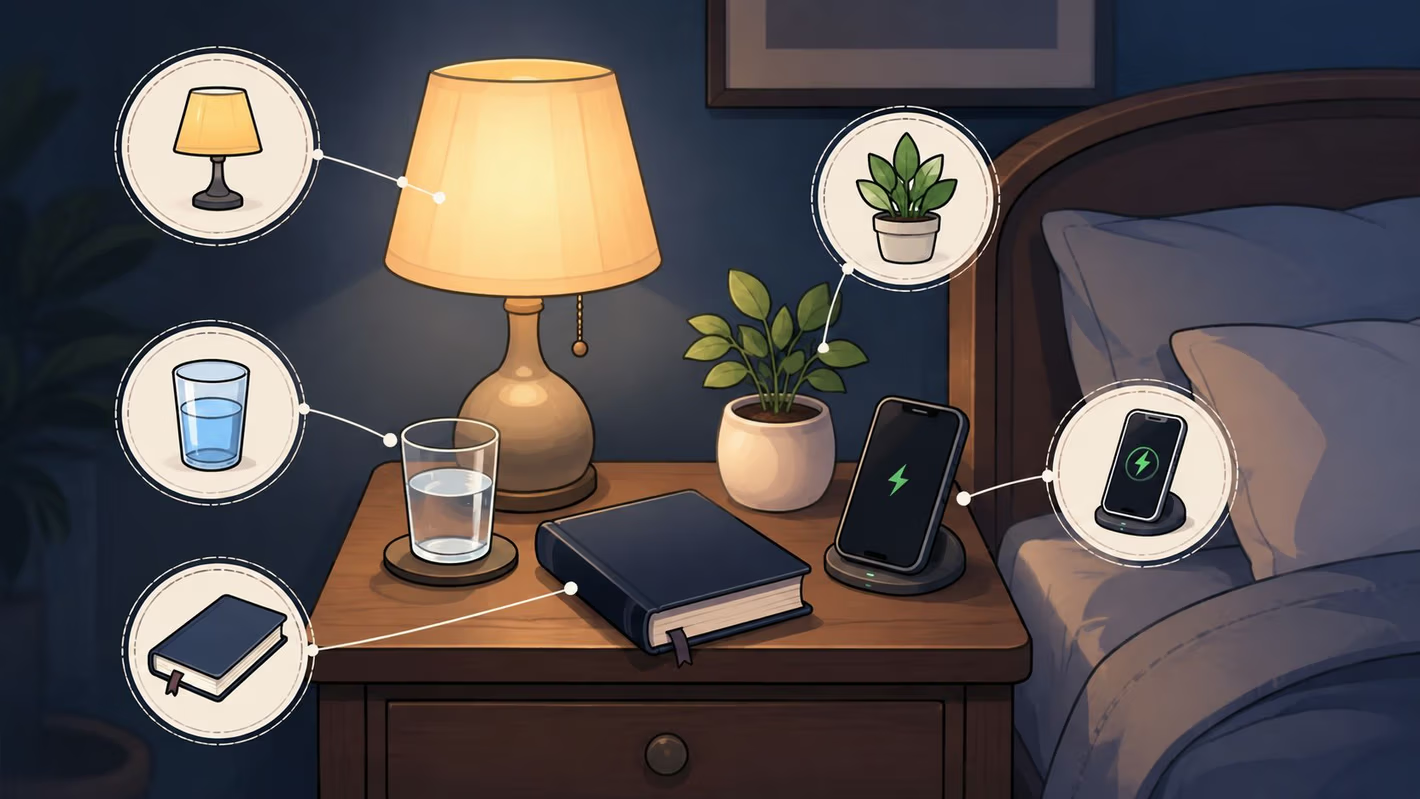
1. A warm-light lamp
The lamp is the most important sleep-support item. Evening light can suppress melatonin most strongly in the short-wavelength blue range, with human research identifying a particularly strong response around 446 to 477 nanometers. The Journal of Applied Physiology research on light and melatonin supports a simple bedroom recommendation: choose a dimmable bulb between 2200 and 2700 K, keep output low, and avoid a bright white ceiling light during wind-down.
A shaded lamp is better than a bare bulb. It gives enough light for a page, a glass, or a drawer without turning the entire room into a work area.
2. A dedicated water source
A small carafe or stable bottle beats a wandering glass. It reduces spills, gives the sleeper a clear grip, and keeps water from ending up on the floor beside the bed. The container should have a secure lid if the table sits near children, pets, or an adjustable base.
3. A real alarm
A separate alarm clock keeps the phone from becoming the bedroom's entertainment system. It also removes the temptation to check messages, news, or social feeds when the only intended task was silencing the alarm.
4. One charging station
Use one hub, dock, or neatly secured charger rather than several loose cords. A small tray can keep the cable end from sliding behind the nightstand, while built-in USB-C or wireless charging can reduce accessory clutter where the furniture supports it.
5. One reading choice
The strongest rule is simple: one book, paper or e-ink, not a backlit tablet. A single book prevents the surface from turning into a stack of unfinished obligations. Readers who need help balancing surface area and storage can consult these nightstand scale and storage tips.
A short nightly reset also helps. The five bedroom solutions for reducing clutter offer a useful companion approach for keeping the entire room as orderly as the bedside surface.
Choosing the Right Nightstand Style for Your Room
Style should follow the bedroom's constraints. A handsome table that blocks a drawer, crowds a walkway, or sits too high beside the mattress isn't a good choice. Gates Home Furnishings in Grants Pass carries bedside options suited to traditional rooms, compact apartments, and Rogue Valley homes that benefit from natural wood character.
Four practical options
A single-drawer nightstand is the safe choice for traditional and transitional bedrooms. The drawer hides glasses, medication, and charger ends, while the lower space can hold a book or small basket. It offers enough concealment without making the piece visually heavy.
An open-shelf nightstand works well in a small bedroom or studio apartment. The open design keeps the room feeling lighter and makes a book easy to retrieve, though it requires stricter organization because every item remains visible.
A floating, wall-mounted table preserves floor space and makes vacuuming easier. It suits tight rentals only when the landlord permits secure installation, so renters should confirm the lease before drilling. For a no-modification room, a lightweight freestanding option remains the safer answer.
A reclaimed-wood nightstand brings warmth and individuality to craftsman-style homes around Grants Pass. Reclaimed wood, teak, and one-of-a-kind statement pieces also pair naturally with Rogue Valley interiors that need texture rather than another matching finish.
| Style | Best Room Type | Storage | Renter Friendly | Best For |
|---|---|---|---|---|
| Single drawer | Traditional or transitional | Concealed drawer plus lower area | Yes, if freestanding | Hiding charger mess |
| Open shelf | Small bedroom or studio | Visible shelf | Yes | Keeping a compact room visually light |
| Floating | Tight bedroom | Usually limited | Only with approval for wall mounting | Preserving floor space |
| Reclaimed wood | Craftsman or character-rich home | Varies by piece | Usually, if freestanding | Natural texture and a distinctive finish |
The quick decision rule is straightforward. Choose a drawer when clutter bothers the sleeper, an open shelf when the room feels cramped, a floating piece when floor clearance is the main problem, and reclaimed wood when the room needs personality. More bedroom ideas are available in this guide to choosing a bedroom style for every personality.
Sizing and Placement Rules for Real Bedrooms
A nightstand can look right in a product photo and still fail beside a real bed. Three measurements determine whether it will be comfortable: height, depth, and width.
The top should land within 2 to 4 inches of the mattress top, based on designer guidance cited by Wirecutter's nightstand review. That range lets a seated sleeper reach a glass or switch without leaning sharply. Depth should generally stay between 16 and 20 inches for twin and queen beds, with up to 22 inches working beside a king mattress when the room can accommodate it.
Width should be at least half the mattress width for visual balance and easier reach. Couples also need to consider the gap between the two tables, especially when a headboard, wall outlet, or adjustable base changes the available space.
| Bed Size | Ideal Top Height | Depth Range | Minimum Width |
|---|---|---|---|
| Twin | Within 2 to 4 inches of mattress top | 16 to 20 inches | At least half the mattress width |
| Queen | Within 2 to 4 inches of mattress top | 16 to 20 inches | At least half the mattress width |
| King | Within 2 to 4 inches of mattress top | Up to 22 inches | At least half the mattress width |
The practical reach zone runs about 15 to 18 inches from the pillow to the nightstand edge. Keep water, glasses, the lamp switch, and the alarm inside that area. In a tight room, set the table flush to the wall but leave 2 to 3 inches behind it for cords. An adjustable base may require the table to sit 4 to 6 inches past the headboard so moving sections don't strike it.
Platform beds can sit lower than expected, so measure the mattress top rather than guessing from the frame. Leave enough floor clearance for drawers to open fully, and check that a rug edge, baseboard, or bed rail won't block the hardware. For a broader measuring process, use these furniture measuring instructions.
The Sleep-First Setup That Actually Works
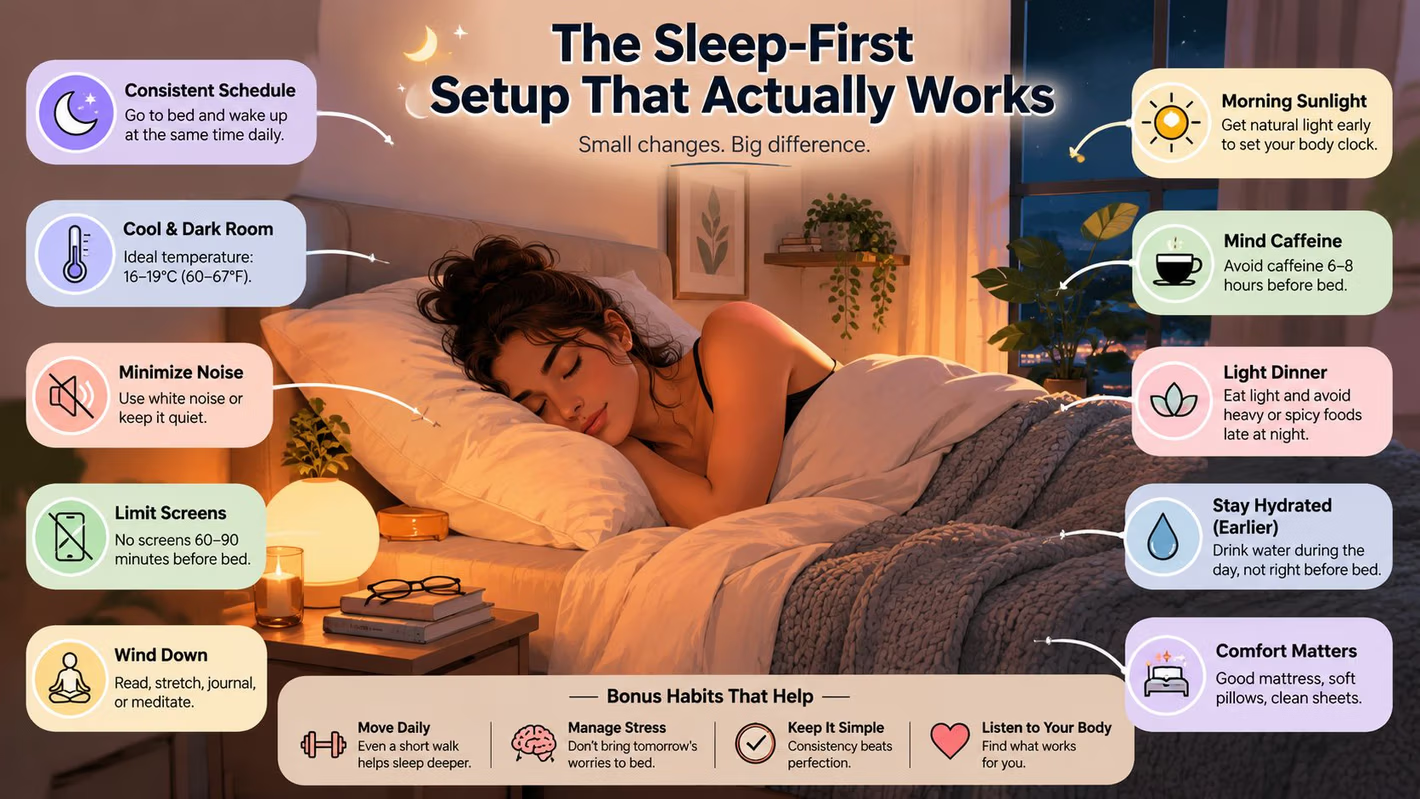
The sleep-first nightstand has fewer objects, not more. A warm, dimmable lamp, one water source, one alarm, and one charging point cover the nightly routine while keeping the surface calm. A fifth item can be a single book, but the table shouldn't become a storage bin for the rest of the household.
Use a charging hub that can be switched off overnight if the phone needs to remain in the room. The phone itself should sit face-down or, better yet, across the room. A glowing alarm display, several connected chargers, mail, and decorative objects that demand attention all work against a quiet wind-down.
What belongs on the surface
- Warm lamp: Keep the bulb in the warm range described earlier and use the lowest comfortable brightness.
- Water: Place a lidded carafe or stable bottle on a coaster.
- Alarm: Use a readable clock without harsh LED glare.
- Charger: Consolidate charging into one controlled location.
- Reading material: Keep one paper or e-ink book, not a glowing tablet.
A small tray defines the allowed zone. It keeps the alarm, glasses, and charger from drifting across the entire top, while a coaster protects the finish from water rings. The five-item cap isn't a decoration contest. It gives the eyes fewer things to process at the exact time the brain should be slowing down.
The wind-down reset
At night, wipe the surface and return only the sleep-critical items. Mail belongs on a desk or entry table, extra cords belong in a drawer, and decorative pieces should stay only if they don't pull attention away from rest. Readers interested in connected bedroom accessories can review this overview of bedroom gadgets for smarter sleep, but technology should simplify the routine, not add another screen to manage.
Why Shopping Locally at Gates Changes the Experience
You notice the difference when a new nightstand arrives beside the bed and the drawer sticks, the height feels wrong, or the finish clashes with the room. Online listings provide dimensions and finish names. A showroom lets you test the details that affect sleep every night.
At Gates in Grants Pass, open the drawer several times, check its stability, inspect the back, and feel the grain of reclaimed wood. Stand beside a bed similar to yours. A table that appears compact on a screen can crowd a platform bed, while a lamp that looks gentle in a photograph may shine directly toward your pillow.
What shoppers can test
The 30,000-square-foot showroom in Grants Pass gives you space to compare bedroom furniture without relying on a small screen. Staff can help match the nightstand to mattress height, choose a practical depth for a narrow room, and pair a lamp with a finish that suits your existing furniture.
That hands-on process serves different bedrooms. Couples can test whether two tables leave enough walking room. Seniors can check drawer movement and reach before buying. Renters can compare freestanding options that do not require permanent changes. Small-room shoppers can see whether storage adds usefulness without making the bedside area feel crowded.
Gates carries bedroom and mattress collections that include La-Z-Boy, Flexsteel, Ashley, and Beautyrest, along with reclaimed wood, teak, and other Unique Finds. One-of-a-kind pieces add character without requiring every item in the room to match.
The store's history supports that personal approach. Founded in 1946 by George Gates Jr., the family-owned business built its customer service around his promise of “Service and Value.” That support remains useful after purchase, especially when you need help with delivery, care, or a furniture question that an online checkout page cannot answer. Shopping locally also keeps more attention on the people and services available in your community. Learn more about supporting local businesses.
Delivery that finishes the job
A nightstand should arrive ready for the room, not become another project. White-glove delivery can include in-home placement, assembly, packaging removal, and old mattress or box-spring haul-away. White-glove delivery service details explain the difference between room-of-choice setup and curbside drop-off.
Gates provides professional in-home delivery across Grants Pass, Josephine County, Medford, Central Point, Ashland, and the wider Rogue Valley, with assembly and mattress haul-away available as part of the service. Gates Easy Pay offers $0 down, six-month interest-free options, and no-credit-needed financing paths, subject to program terms. Furniture financing examples explain the general mechanics shoppers may encounter.
Finishing Touches and Your Next Step
Different sleepers need different nightstands. A senior may value access and stability over a delicate silhouette, while a renter may need a useful piece that doesn't require permanent changes. A design-focused homeowner may want the bedside table to serve as the room's visual anchor without sacrificing sleep function.
For seniors
Choose a table with a firm, easy-gliding drawer and rounded edges. The top should sit close to mattress height, and frequently used items should stay within a comfortable reach. A lower shelf can hold slippers or a book, but it shouldn't require deep bending. Soft-close hardware is a worthwhile comfort feature because it reduces sudden noise during nighttime use.
For renters
Lightweight freestanding furniture works well when drilling isn't allowed. A narrow table can preserve walking space, while an open shelf keeps a studio bedroom from feeling boxed in. Wall-mounted designs can leave the floor clear, but renters should confirm permission before making any permanent installation.
For style-seekers
Start with the lamp, then build a restrained vignette around it. Live-edge reclaimed wood, matte black hardware, and mixed-material tops can add character, especially in craftsman-style homes near Grants Pass. Keep the statement finish on the furniture and limit the surface accessories so the piece remains a sleep tool rather than a display shelf.
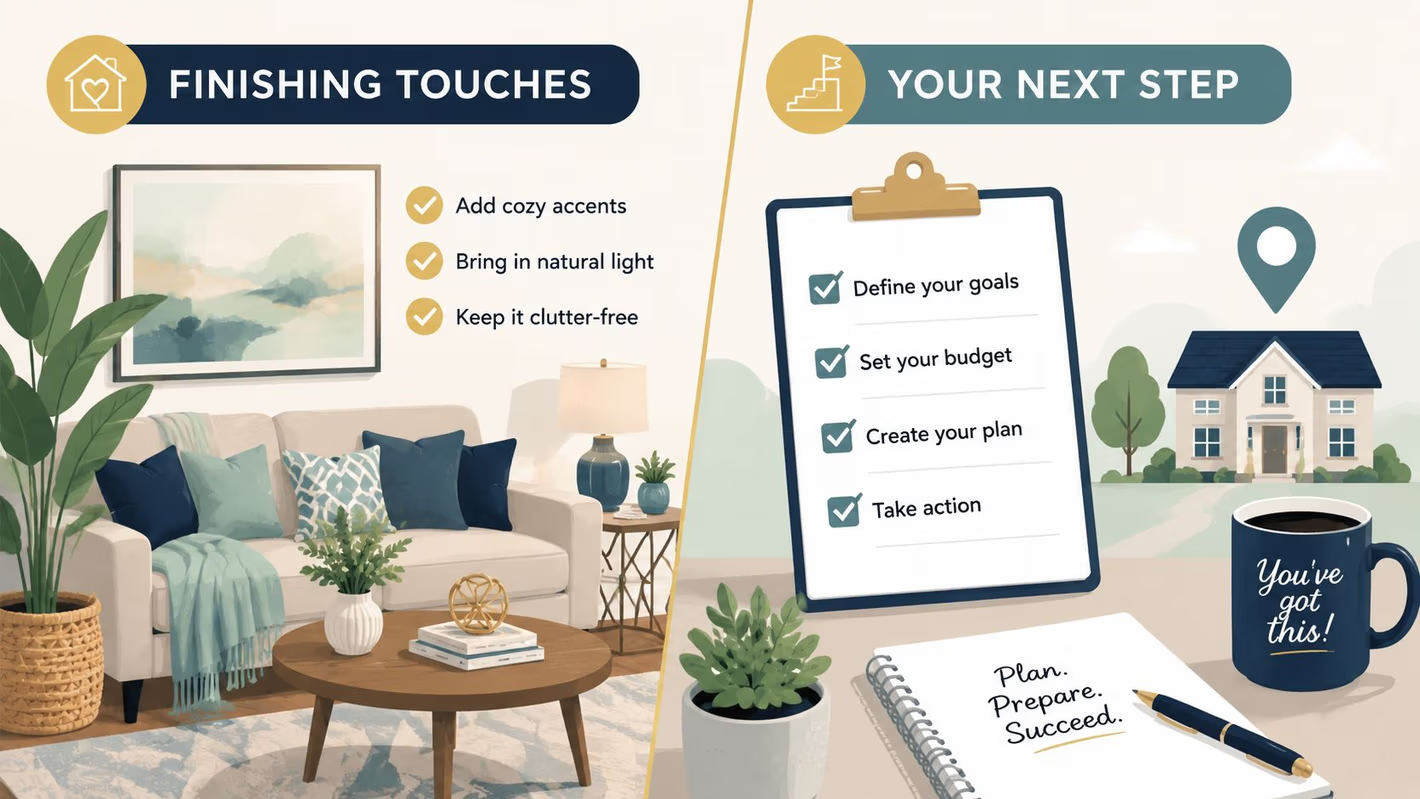
Before buying, measure the mattress top, available wall space, drawer clearance, outlet location, and walking path. Bring a photo of the bedroom if a showroom visit isn't possible. That information makes it easier to choose between a single-drawer table, a floating design, a substantial solid-wood piece, or a matching bedroom set.
Gates Easy Pay can help shoppers furnish a complete bedside setup without paying the full cost at once, with available options including $0 down, six-month interest-free structures, and no-credit-needed programs. Professional white-glove delivery can place and assemble the furniture in Grants Pass homes and surrounding Southern Oregon communities, with mattress haul-away when applicable.
A nightstand doesn't need to be expensive or elaborate. It needs to fit the bed, protect the wind-down routine, and give every nightly item a sensible home.
Gates Home Furnishings offers nightstands, bedroom furniture, mattresses, Unique Finds in reclaimed wood and teak, flexible Gates Easy Pay financing, and professional white-glove delivery across the Rogue Valley. Visit Gates Home Furnishings online or stop by the Grants Pass showroom to test the fit, finish, storage, and comfort before refreshing the bedroom this week.