How to Choose Earth Tone Furniture for Every Room


A Grants Pass homeowner can spend an evening comparing earth tone furniture online, then bring two “nearly identical” end tables into a sunlit living room and discover that one looks warm and grounded while the other turns flat, gray, or unexpectedly orange. Screenshots rarely show the undertone, sheen, grain direction, or fabric texture that determines whether a piece belongs in the room.
The practical answer isn't to chase a perfect paint-chip match. Earth tone furniture works when color, material, finish, lighting, and daily use support one another. A walnut table, a tobacco leather chair, and a muted olive accent can feel settled and natural, while a cool greige cabinet beside terracotta upholstery can make the same room feel disjointed.
The palette has staying power. Its design history reaches back at least 75,000 years, to prehistoric ochre pigments used at Blombos Cave in South Africa, and earth tones later became strongly associated with furniture and interiors during the 1970s and early 1980s through harvest gold, avocado green, burnt orange, chocolate brown, and rust. The family has returned as a modern “new neutral,” rather than remaining a short-lived decorative fad. The documented history of earth-tone palettes helps explain why these colors keep finding their way back into homes.
What Earth Tone Furniture Actually Means
Earth tones aren't one shade, and they aren't limited to beige. They form a working design family drawn from soil, clay, bark, stone, foliage, and patinated metal. For furniture shoppers, that definition is more useful than a trend label because it helps identify pieces that will still coordinate when the room changes around them.

Three useful tiers
Start by sorting the palette into three broad groups:
- Warm browns: Walnut, chestnut, caramel, tobacco, and saddle create depth. They're dependable choices for tables, case goods, leather seating, and bed frames.
- Muted reds and ochres: Terracotta, rust, burnt sienna, clay, and ochre bring warmth without the sharpness of a primary red or yellow.
- Sage through mushroom: Sage, olive, moss, taupe, mushroom, and softened stone green cool the room slightly while keeping an organic character.
The undertone matters more than the label on the showroom tag. A piece sold as “greige” may carry a cool gray base that fights with terracotta, rust, and warm walnut. It can look acceptable beneath bright retail lighting, then turn bluish beside a clay-colored rug at home.
Finish changes the color read, too. The same oak can appear pale, honey-toned, or tobacco-colored depending on the stain and sealer. A high sheen makes grain contrast and warmth more noticeable, while a matte or satin surface tends to keep the color quieter.
Showroom gut check: If a piece would look at home beside a river rock or a clay pot, it probably belongs in the earth-tone family.
Before choosing a sofa or dining table, compare the piece against the materials already in the room. A useful guide to building a furniture color palette can help organize those comparisons, but the final test should happen under the room's actual light.
Reclaimed Wood and Teak as the Foundation
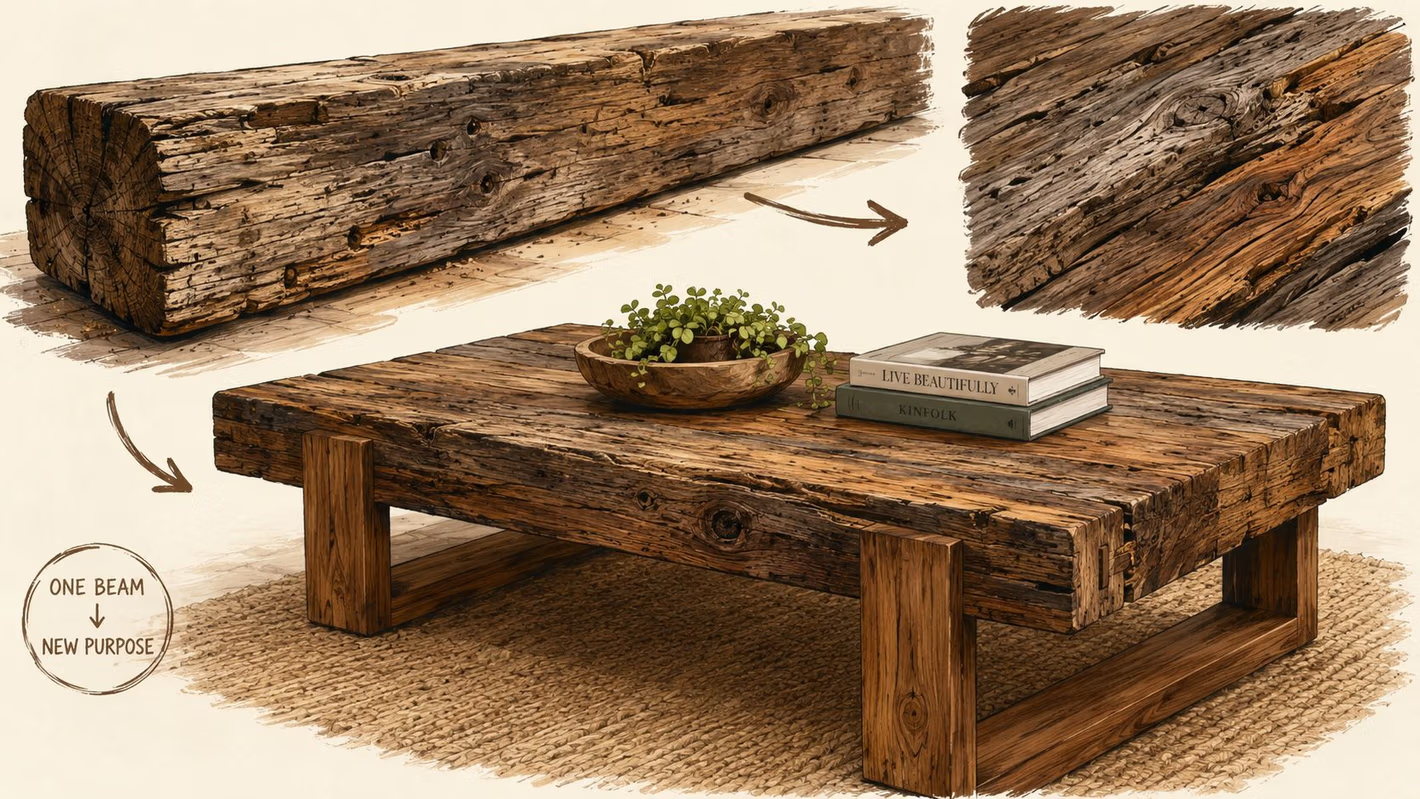
A room built around earth tone furniture needs an anchor with genuine visual weight. Reclaimed wood and teak provide that foundation because their color comes with grain variation, age, mineral marks, and tactile history, not just a printed surface or uniform stain.
What reclaimed wood contributes
Reclaimed wood may come from barn beams, old-growth joists, or decommissioned industrial timbers. Its appeal comes from the marks left by earlier use, including tight original growth rings, mineral staining, nail holes, saw marks, and figured grain. Those details keep a brown finish from looking flat.
Species produce different moods:
- Weathered oak leans toward a coastal, driftwood-like appearance, especially when its surface is wire-brushed or lightly limed.
- Chestnut and elm establish warmer honey-brown grounds with broader grain movement.
- Old-growth Douglas fir tends to offer a quieter vertical grain, useful when the room already contains patterned upholstery or busy artwork.
Reclaimed pieces don't behave like machine-matched sets. Boards may vary in width, tone, and direction, and a table might need felt pads or adjustable glides to sit level on an older floor. Salvage is finite, so a well-made reclaimed piece often carries premium pricing.
Why teak earns a place indoors
Teak is the indoor-outdoor workhorse of the group. Its natural oils help it resist moisture and give the wood a rich golden-brown appearance when finished. Left unfinished, it can weather toward silver-gray, which may suit a relaxed entry, covered porch, or casual dining space.
That natural resilience makes teak a sensible choice for homes exposed to Rogue Valley summer dust and winter damp. It still needs sensible placement and care, but it generally handles changing conditions better than a delicate, highly absorbent finish.
A focused reclaimed wood furniture selection guide can help shoppers narrow the look before visiting a showroom.
What to inspect in person
A quick quality check should include:
- Kiln-dried documentation, which helps confirm that the wood was stabilized before construction.
- Tight mortise-and-tenon joinery, especially at legs, rails, and heavy casework.
- Visible end-grain checks, which can be acceptable in reclaimed material when they're stable and thoughtfully incorporated.
- Smooth contact points, so rough edges don't catch clothing or damage flooring.
- A finish that matches the use, not just the color, particularly for dining tables and frequently handled cabinets.
The best reclaimed or teak piece doesn't look factory-perfect. It looks intentional, stable, and substantial enough to become the room's reference point.
Upholstery Fabrics That Bring Earth Tones to Life
Wood establishes the room's structure, but upholstery determines how comfortable and practical the palette feels. The right fabric should match the household's habits, including pets, children, direct sun, entertaining, and the amount of maintenance a homeowner will realistically perform.
Leather
Top-grain and full-grain leather in tobacco, cognac, and saddle tones pair naturally with walnut, teak, clay, and warm white. Pull-up leather is especially compatible with an earth-tone interior because use can lighten and soften the surface, creating a lived-in patina rather than a perfectly static color.
Leather cleans more directly than many woven fabrics, but it isn't indestructible. Pet claws can scratch it, sharp objects can puncture it, and prolonged direct sunlight can change its appearance. The strongest reason to choose it is the way it ages visibly and naturally.
Linen and cotton blends
Oatmeal, flax, and mushroom linen-cotton blends bring breathability and a relaxed hand to sofas, sectionals, and accent chairs. They work well in rooms that need softness around dark wood or a substantial reclaimed table.
The trade-off is clear. These fabrics can wrinkle, absorb spills, and show household traffic more readily than tightly woven performance materials. They're a better fit for lower-stress rooms or owners who accept a casual, gently rumpled appearance.
Boucle and wool textures
Boucle and wool blends add a nubby, light-catching surface that makes clay and rust accents feel richer. Their texture can keep a monochromatic taupe or mushroom room from becoming visually dull.
Pet claws are the concern. Looped or open textures can snag, pull, or collect debris, particularly on chairs used by cats or dogs. A boucle accent chair may be a thoughtful choice in a quieter room, but it isn't automatically the practical choice for a busy family room.
Performance weaves
Solution-dyed acrylic and polyester performance weaves in sage, terracotta, and sand earn their place in south-facing rooms and homes with shedding pets. Their value comes from the combination of cleanability, color stability, and a tighter construction that can tolerate more routine use.
The fabric still needs a care label review. “Performance” describes a category, not a guarantee that every spill can be ignored or every claw will leave no mark. A practical upholstery materials guide helps shoppers compare fiber, weave, and care requirements before choosing by swatch alone.
| Fabric family | What works | Main trade-off |
|---|---|---|
| Leather | Patina, straightforward surface cleaning, strong visual depth | Scratches, punctures, and sun exposure remain concerns |
| Linen and cotton blends | Breathable, relaxed, naturally soft | Wrinkles and stains show more readily |
| Boucle and wool textures | Tactile, dimensional, warm-looking | Pet claws can snag loops |
| Performance weaves | Practical for pets, sun, and frequent use | May feel less natural than linen or leather |
The best upholstery isn't the most fashionable swatch. It's the one that can live with the people, animals, and light in the room.
Styling Earth Tones Room by Room
Earth tone furniture becomes easier to choose when each room has a clear job. A large-scale anchor should lead, while texture and smaller accents support it. In Grants Pass, south-facing rooms may wash out pale clay colors while deepening walnut and teak, so samples deserve a daytime and evening check.
Living room
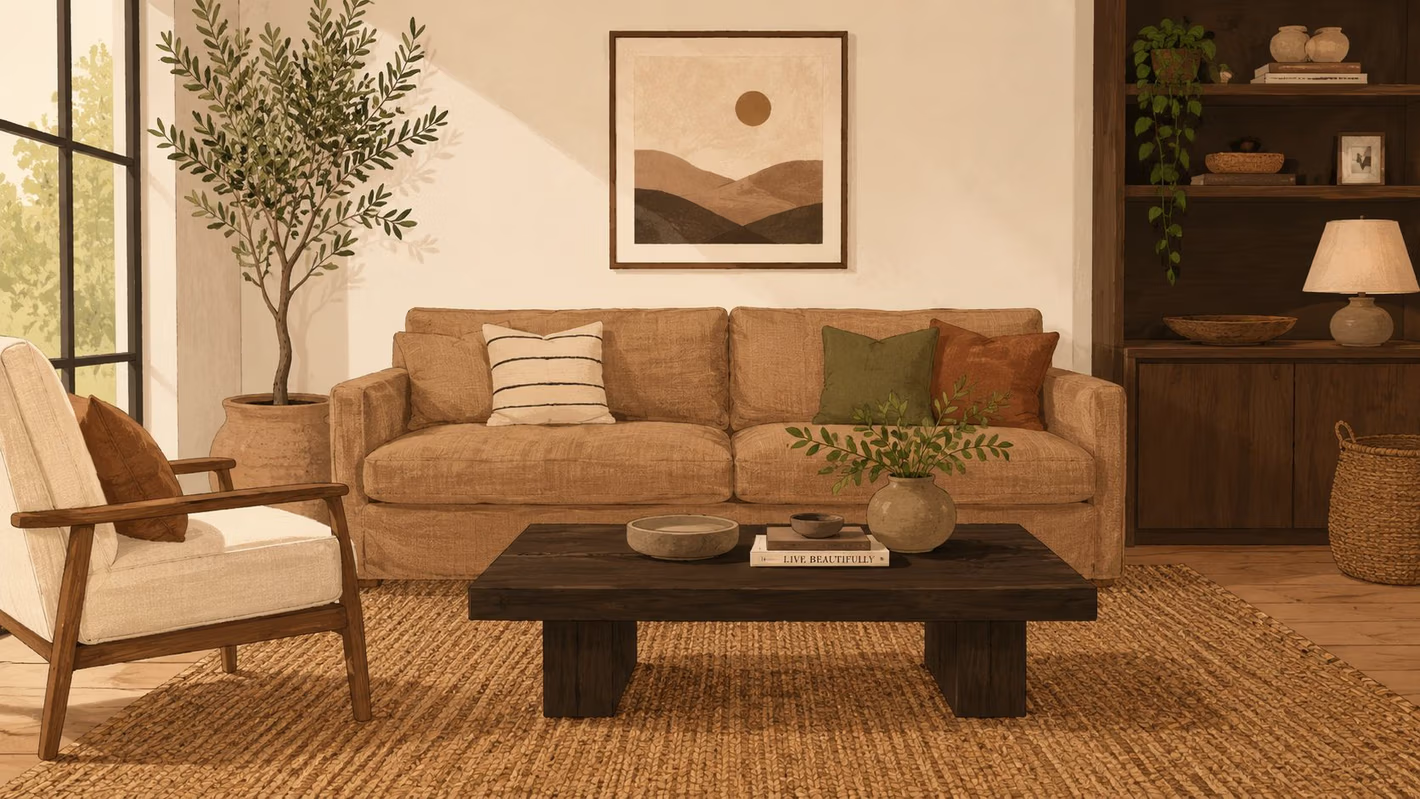
Use a tan, camel, mushroom, or tobacco sofa as the primary piece. Pair it with walnut, chestnut, or reclaimed oak tables, then add one layered texture, such as a jute-style rug, a nubby throw, ceramic vessels, or a leather ottoman.
Warm 2700K bulbs help preserve the amber and clay undertones that cooler bulbs can flatten. If the room receives strong southern light, test pale upholstery against the window before committing.
A simple living room styling guide can help establish scale and traffic flow. For households that use scent as part of the room's atmosphere, incense for home atmosphere offers useful context on creating a more intentional sensory setting.
Dining room
A reclaimed wood or teak dining table gives the room its base tone. Upholstered dining chairs in flax, sage, saddle, or warm mushroom keep the setting comfortable without requiring every surface to match.
Use lighting that falls warmly over the table. Strong overhead glare can exaggerate sheen and make a matte finish appear uneven, while soft pendant lighting lets grain and texture read naturally.
Bedroom
A warm wood bed frame works well with oatmeal, clay, muted olive, or caramel bedding. The bedroom benefits from restraint, so one deep earth-tone element, such as a walnut headboard or rust bench, can provide more character than a collection of competing accents.
Layer linen, wool, and woven materials near the bed. These surfaces absorb evening light and make the room feel quieter.
Home office
Keep the office simple. A medium-brown desk, a supportive leather or woven chair, and a muted green lamp or storage piece create a grounded work zone without making the space feel themed.
Avoid placing pale wood directly beside cool gray cabinetry. The contrast can make both pieces look disconnected, particularly in rooms with limited natural light.
Outdoor and entry spaces
Teak works naturally at an entry, covered patio, or mudroom transition. Add a sand-colored cushion, a stone-toned mat, or a rust ceramic planter to connect the threshold with the interior.
The final rule is straightforward: anchor each room with one substantial earth-tone piece before adding accessories. That approach prevents the scattered look that appears when earth tones are treated as decorations instead of structure.
Finishes, Care, and Long-Term Wear
A finish can make an earth-tone piece look settled and expensive in a showroom, or reveal every water ring and scuff after regular use. Buyers should evaluate the coating as part of the furniture, not as an invisible afterthought.
For interior wooden furniture, independent finishing guidance identifies acrylic cross-linking water-based systems as strong options with excellent abrasion, solvent, stain, and chemical resistance. Durability testing for wooden furniture commonly includes mechanical damage and abrasion protocols, so visual inspection alone doesn't tell the whole story. Independent guidance on selecting furniture finishing systems explains why substrate preparation, sanding, coating choice, and testing belong in the same decision.
Finish choices in daily rooms
A matte oil finish can develop an attractive patina on reclaimed wood, but it may spot more readily around cups, food, and damp cleaning cloths. Conversion varnish offers a harder protective surface, though repairs can be less forgiving when the film is damaged.
Polyurethane remains a practical category for frequently used tables and cabinets. In finished-wood abrasion testing, water-based polyurethane is reported at approximately 12,000 abrasion cycles to 50% film loss, compared with approximately 6,000 for oil-modified varnish and approximately 18,000 for two-part catalyzed poly, according to finish-performance benchmarks for furniture. These figures suggest a performance gap of roughly two to three times between common interior systems, but the exact result still depends on preparation, application, film thickness, and use.
Overly glossy coatings can undermine the earth-tone effect by increasing perceived warmth and grain contrast. Matte or satin finishes usually preserve the muted appearance buyers expect from beige, taupe, olive, and mushroom furniture.
Upholstery under stress
Solution-dyed performance fabrics are practical candidates for sunny rooms and shedding pets. Treated linens can work when their relaxed appearance matters more than maximum stain resistance. Top-grain leather handles routine wiping well but remains vulnerable to claws and sharp edges.
Boucle deserves careful placement. Its texture adds welcome dimension, but loops can catch on pet claws and rough clothing. A fabric sample should be rubbed, flexed, and viewed against natural light before purchase.
A manageable maintenance rhythm
- Weekly: Dust wood with a microfiber cloth and remove grit from joints and table edges.
- Every six months: Condition leather according to the manufacturer's care instructions.
- Regularly: Rotate and reverse cushions when the design allows it.
- After placement: Add felt pads beneath lamps, decor, and furniture feet.
- Near windows: Use window coverings or reposition pieces when direct sunlight reaches the same surface for long periods.
The Rogue Valley climate offers a useful stress test. Dry summer air, tracked-in dust, winter damp, pets, and bright windows reveal whether a piece was chosen for lasting performance or only for its first photograph.
Shopping the Collection Locally and Getting It Home
Choosing earth tone furniture locally gives buyers an advantage that online photographs can't provide. A showroom allows direct comparison of undertones, wood grain, upholstery hand, seat comfort, table height, and finish sheen under changing viewing angles.
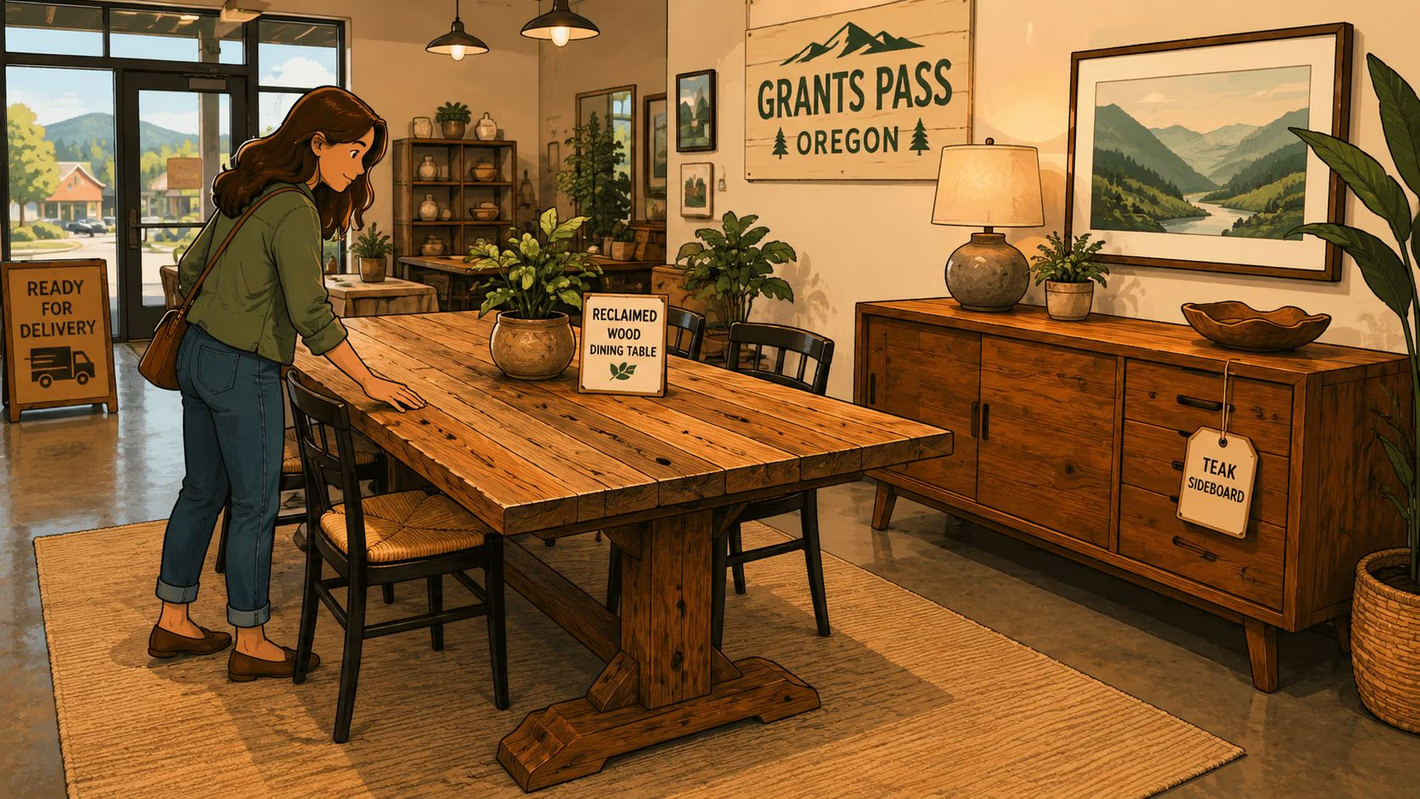
At Gates Home Furnishings, the 30,000-square-foot showroom in Grants Pass provides room to test comfort rather than judge a sofa from a screen. Shoppers can sit in La-Z-Boy recliners, compare Flexsteel and Ashley seating, review Beautyrest mattress options, and examine reclaimed wood and teak Unique Finds in person.
A practical showroom route
Begin with the largest item in the room, usually the sofa, sectional, bed, or dining table. Once its undertone and scale are established, compare smaller pieces against it rather than building the room from isolated accessories.
A useful visit can follow this order:
- Test comfort first. Sit fully back, check arm height, assess seat firmness, and try recliners through their complete movement.
- Compare finishes side by side. Place walnut, reclaimed oak, teak, and lighter wood samples near the upholstery being considered.
- View the piece from a distance. Earth tones can look different across a room than they do at arm's length.
- Request fabric and finish samples. Carry them home and check them near south-facing windows, existing rugs, and evening lamps.
- Measure the delivery path. Doorways, stair turns, elevators, gates, and tight hallways matter as much as the room dimensions.
The showroom's layout, with reclaimed wood signatures, teak accents, and earth-tone upholstery vignettes, makes it easier to compare complete combinations. One-of-a-kind Unique Finds can also supply the irregular grain or aged character that mass-market sets often lack.
Coordinating several rooms
A design consultation should begin with the home's fixed elements, such as flooring, stone, cabinetry, wall color, and window exposure. From there, staff can help select a lead wood tone, a supporting upholstery family, and accent colors that repeat without making every room identical.
A Grants Pass living room may need stronger contrast than a shaded bedroom. A Medford dining area with pale flooring may benefit from deeper walnut or tobacco upholstery, while an Ashland home with abundant natural texture may support lighter oak, sage, or mushroom tones.
The goal isn't to force one palette throughout the house. A common material thread, such as teak, warm leather, reclaimed wood, or muted olive, can connect rooms while allowing each space to retain its own mood.
Financing and delivery questions
Gates Easy Pay includes $0 down, a six-month interest-free promotional option, and no-credit-needed options. Promotional financing requires close attention to the agreement. Interest-free furniture promotions are commonly structured around paying the promotional balance in full within the defined period, and some plans require approved credit, minimum monthly payments, or a deposit. If the balance isn't paid in full by the deadline, deferred interest may be charged retroactively from the purchase date, so shoppers should confirm the payment-in-full rule before signing. Promotional furniture financing terms illustrate why the deadline matters.
No-credit-needed programs generally use lease-to-own or similar structures, with approval and merchandise limits determined by the specific plan. No-credit-needed furniture financing information provides an example of how those alternatives are presented in the market.
Delivery planning matters just as much as payment planning. Heavy reclaimed wood and teak pieces need professional handling, floor protection, assembly, and careful placement. Gates Home Furnishings serves Grants Pass, Medford, Central Point, Ashland, and the broader Rogue Valley, while outlying Southern Oregon communities may require scheduling confirmation based on route and item requirements.
White-glove delivery means more than leaving boxes at the threshold. The standard service includes room-of-choice placement, setup on an existing foundation or bed frame, packaging removal, and mattress or box-spring haul-away when needed. White-glove furniture delivery guidance outlines the difference between that service and curbside delivery.
Since 1946, the Gates name has been tied to George Gates' original promise of “Service and Value.” That promise is most useful when it appears in practical details, including honest finish discussions, clear financing terms, delivery coordination, and help selecting furniture that suits Rogue Valley light and everyday living.
Gates Home Furnishings offers earth tone furniture, reclaimed wood, teak Unique Finds, comfortable seating, mattresses, Gates Easy Pay financing, and professional white-glove delivery from its 30,000-square-foot Grants Pass showroom. Visit Gates Home Furnishings to test pieces in person or browse the collection online, then bring home furniture chosen for both its natural character and its ability to hold up in Southern Oregon.