Living Room Furniture High End: A Southern Oregon Guide


A Grants Pass homeowner can spend an afternoon testing sofas, leave the showroom convinced that two pieces feel nearly identical, and still wonder why one costs $1,800 while another costs $4,500. Online photographs rarely settle that question. The frame, suspension, cushion construction, leather grade, and delivery experience remain hidden until the buyer examines the piece in person.
That's the practical challenge with living room furniture high end. A premium price can reflect genuine craftsmanship, but it can also reflect styling, branding, or an imported suite that looks impressive while using ordinary materials underneath. Southern Oregon buyers should judge every claim with a hand inspection, a close look at the specifications, and a proper sit test.
What High-End Living Room Furniture Really Means
Price is only the starting point
High-end furniture isn't defined by a large price tag. It's defined by material integrity, construction depth, and design intent working together.
Material integrity starts with components that can handle daily life. A properly prepared hardwood frame, durable leather, or a well-engineered performance weave gives the piece a stronger foundation than a frame built primarily from particleboard and low-grade composites. Construction depth describes how those materials are joined and supported. A sofa with mechanically locked joints, reinforced corners, resilient cushioning, and a sound suspension system has more substance than a sofa that depends on staples and thin webbing.
Design intent matters just as much. A well-designed sofa supports real bodies, accommodates the way people sit, and keeps its proportions balanced from every angle. A catalog photograph can make a low-backed sofa look elegant, but a showroom sit test reveals whether the lumbar support lands properly and whether the seat is comfortable after more than a brief perch.
Showroom rule: A premium claim should survive a hand inspection and a sit test.
What buyers should inspect
A buyer comparing two attractive sofas should ask four direct questions:
- What is the frame made from? Kiln-dried hardwood is a meaningful specification because controlled moisture content reduces movement in indoor conditions. Furniture construction guidance places kiln-dried hardwood near 6–8% moisture content, a range that helps limit warping and joint loosening in heated interiors. See the upholstery construction guidance.
- How are the joints assembled? Mortise-and-tenon joints, double dowels, adhesive, and corner blocks offer a more secure structure than staple-only construction.
- What is inside the cushion? Seat foam needs enough density to resist early compression, while back cushions can use softer material for flexibility.
- What does the manufacturer support? A clear warranty and access to replacement or re-upholstery services matter more than a vague promise of durability.
The difference between a costly imported suite and a more modestly priced American-made piece won't always show in a photograph. It shows when the buyer lifts a cushion, checks the underside, presses along a frame rail, and asks for the build sheet.
The showroom tradition at the Grants Pass location reflects the founding promise made by George Gates Jr. in 1946, “Service and Value.” That philosophy puts the emphasis where it belongs, on helping a homeowner choose a piece that fits the room, the household, and the expected use rather than choosing only the most expensive option.
Materials That Signal Premium Craftsmanship
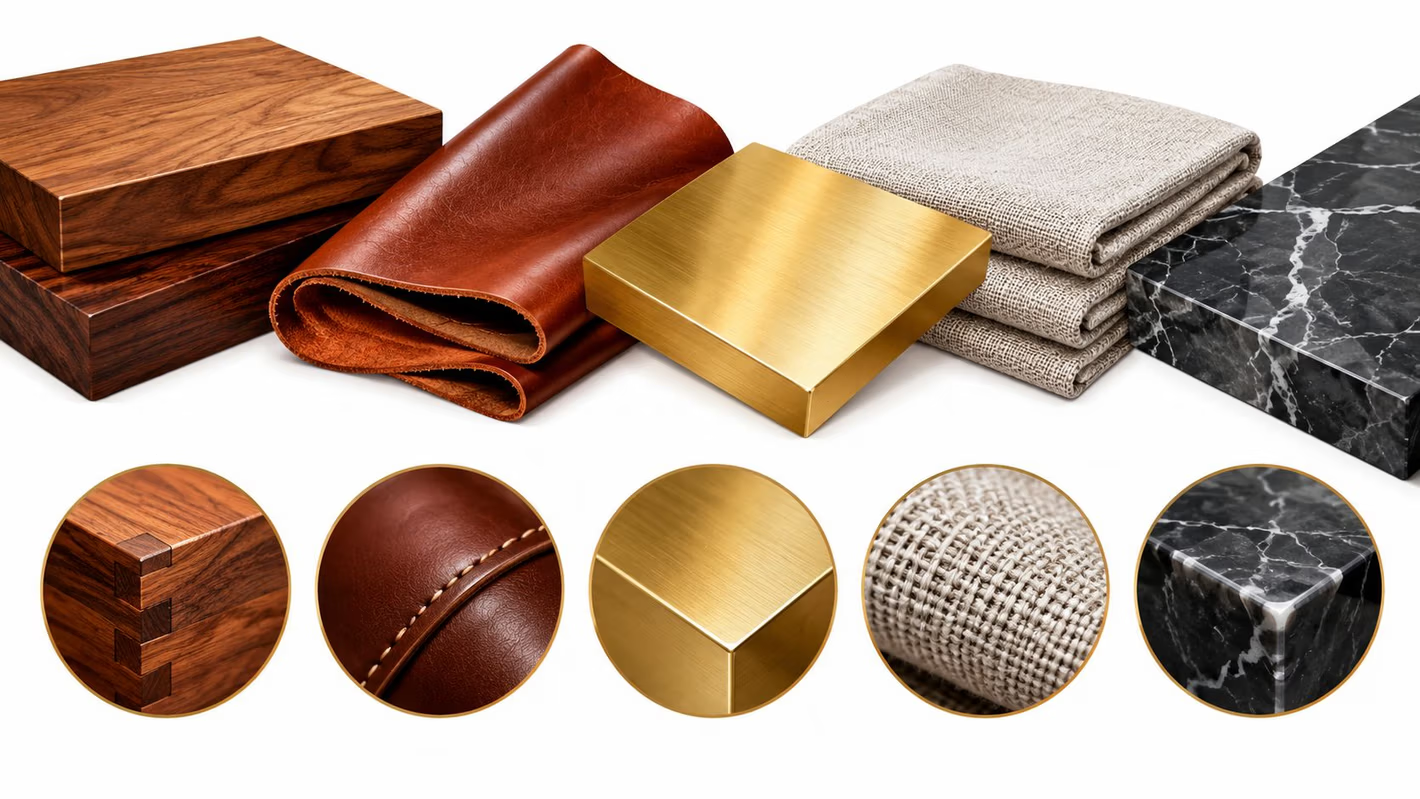
A good showroom conversation begins with the material under the upholstery or finish. Four material families deserve close attention because each tells a different story about maintenance, comfort, and service life.
Hardwood frames
Kiln-dried oak, maple, and ash are common indicators of a serious frame, especially when paired with strong joinery. The drying process brings wood closer to the moisture conditions found inside a heated home, helping reduce dimensional movement. Buyers should still inspect the actual build instead of trusting the word “wood” on a tag.
A useful inspection cue is the corner cut or underside. The visible frame should feel substantial, not hollow or excessively light. A buyer can also look for clean grain, solid rails, and corner blocks. The difference between solid wood and a thin decorative layer becomes clearer when reviewing this guide to solid wood versus veneer.
Leather grades
Top-grain and full-grain leather retain more of the hide's natural surface than corrected-grain or bonded alternatives. Aniline-dyed leather can develop a patina as it ages, while bonded materials can behave more like a surface coating and may eventually peel.
The inspection cue is the seam and surface variation. Natural grain variation, small tonal differences, and a supple hand are more encouraging than a perfectly uniform plastic-like surface. A buyer should ask whether the leather is protected, how it should be cleaned, and whether the finish is intended to develop character.
Performance upholstery
Solution-dyed acrylics and tightly woven performance fabrics make sense in homes with pets, children, heavy use, or strong window exposure. The fiber color runs through the material rather than sitting only on the surface, and the weave can provide useful resistance to everyday abrasion.
The inspection cue is the seam pull and weave recovery. A buyer can gently press and release the fabric, examine the seam tension, and ask for the fabric's care instructions. A soft hand alone doesn't prove quality. Construction, weave stability, and the manufacturer's cleaning guidance matter more.
Reclaimed wood and teak
Reclaimed teak is often salvaged from older structures or boats. Industry descriptions place some reclaimed teak at decades to a century old, and its naturally seasoned character is part of the appeal. This overview of reclaimed teak explains why buyers value the material for stability, durability, and visible history.
Teak is also a dense, naturally oily hardwood associated with resistance to warping, rot, insects, and fungi. Material information on teak's durability helps explain why it works well for accent tables, media consoles, and statement pieces.
The inspection cue is the wood grain check. Reclaimed pieces should show authentic variation, repaired marks, and a finish that supports the character rather than disguising it. Gates' Unique Finds collection includes reclaimed wood, teak, and one-of-a-kind statement pieces that give a Southern Oregon living room more individuality than a matched warehouse suite.
How Construction Separates Lasting Pieces From Pretty Ones
A sofa tag should be read like a mechanic reads a service record. The upholstery catches the eye, but the frame, joints, suspension, and cushion specification determine how the piece behaves after years of use.
Start with the frame and joinery
Mortise-and-tenon construction, double dowels, adhesive, and reinforced corner blocks create a stronger mechanical connection than staples, brackets, or simple butt screws. The joint matters because adhesive can age, while a well-designed mechanical connection continues to hold the frame in alignment.
Kiln-dried hardwood is another meaningful specification. Properly dried wood reduces movement, which helps limit warping and joint loosening in an indoor environment. A well-built frame can remain serviceable for decades and may be re-upholstered more than once, provided the rest of the construction supports that level of use. The upholstery construction reference offers the technical background.
Then inspect suspension and foam
Suspension determines how a sofa distributes weight beneath the cushion. Eight-way hand-tied springs can provide independent movement and a responsive feel, while sinuous wire and webbing can be suitable in other price categories when properly engineered. The buyer shouldn't assume that one suspension type automatically feels better. The test is whether the seat supports the intended household without bottoming out or losing its shape.
Foam density also deserves a direct question. Upholstery guidance commonly treats HR35 kg/m³ as a minimum for a proper sofa seat, with HR40–43 kg/m³ recommended for intensive or professional use. Back and arm cushions may use HR25–30 kg/m³ foam for greater flexibility. This upholstery foam guide explains why density affects compression resistance and support.
A buyer should ask whether seat cushions use a denser core, whether the cushion is wrapped in down or another material, and whether the cover can be removed for service. Comfort and longevity aren't opposites, but they do require the right combination of core support and surface softness.
Construction quality comparison
| Build Element | Budget | Mid-Range | High-End |
|---|---|---|---|
| Frame | Composite materials or light softwood | Mixed hardwood and engineered components | Kiln-dried hardwood with reinforced corners |
| Joinery | Staples, brackets, or simple screws | Dowels, adhesive, and selected reinforcement | Mortise-and-tenon or double-dowel joints with corner blocks |
| Suspension | Basic webbing or limited support | Sinuous wire or upgraded webbing | Reinforced spring systems, including hand-tied options |
| Seat cushion | Low-density or unspecified foam | Improved foam with standard wrapping | Density-matched foam, down, or engineered layered cushioning |
| Service potential | Limited repair options | Some replaceable components | Designed for long-term support, repair, or re-upholstery |
Before sitting down, a shopper should ask about the frame wood, manufacturing location, spring specification, and warranty coverage. The practical checklist in these sofa and chair buying tips gives buyers a useful starting point for that conversation.
The Case for a Showroom Visit in the Rogue Valley
A screen can show color and silhouette. It can't show whether a cushion rebounds properly after a long conversation, whether the lumbar support meets the lower back, or whether the arm sits at a comfortable height for reading, resting a laptop, or holding a grandchild.
That's why a 30,000-square-foot showroom in Grants Pass matters. A buyer can sit, lean, recline, and compare several pieces in one visit instead of trying to infer comfort from photographs. A sectional that looks generous online may feel too deep in person. A recliner that appears compact may need more clearance than expected. Those details are easier to solve before delivery than after.
Southern Oregon rooms need practical testing
Rogue Valley homes vary widely. A living room near downtown Grants Pass may have different access challenges from a home reached by a winding Applegate Valley driveway. A tighter staircase in Cave Junction can affect sectional configuration, while a home in Medford, Central Point, or Ashland may have different room dimensions and traffic patterns.
Local advice also helps with lifestyle decisions. A household that hosts often may need firmer, resilient seating. A quiet reading room may reward a deeper lounge chair. A senior homeowner may value a supportive lift chair or easy-to-operate recliner more than a low-profile silhouette.
Unique pieces deserve an in-person look
The Unique Finds area is particularly suited to buyers who don't want every surface to match. Reclaimed wood, teak, and one-of-a-kind statement pieces show details that online listings flatten, including grain variation, repaired marks, edge character, and the way a finish changes under showroom light.
The Outlet offers another reason to visit. Clearance and special-value pieces can be inspected for comfort, condition, scale, and finish rather than accepted sight unseen. Buyers can also compare those pieces with new collections from La-Z-Boy, Flexsteel, Ashley, and Beautyrest.
High-end furniture is felt before it's fully understood.
Professional delivery completes the showroom advantage. A serious service team handles more than a curbside drop, including setup and assembly where required. This explanation of white glove delivery service outlines why in-home placement and packaging removal are distinct from ordinary delivery.
For homeowners deciding where to buy living room furniture in Southern Oregon, this local buying guide provides additional context. The main point remains simple. Seating should be tested by the people who will use it, in a place where size, comfort, and delivery can be discussed together.

Comparing the Brands We Carry for the Living Room
Brand names help narrow the search, but they shouldn't make the decision by themselves. Each brand brings a different strength to the living room, and the right match depends on how the household sits, relaxes, hosts, and uses the room.
Match the maker to the room
La-Z-Boy suits a media-heavy den or a household that values adjustable comfort. Reclining mechanisms, headrests, hidden consoles, and cupholders can be practical features when the room revolves around long viewing sessions.
Flexsteel appeals to buyers focused on suspension and structural support. Its blue steel spring system is a central selling feature, so the shopper should compare the feel, seat height, and cushion response in person rather than relying on the specification alone.
Ashley offers breadth across coordinated living room collections. That makes the brand useful for homeowners who want matching silhouettes, finishes, and upholstery options across a larger space without assembling every piece from a different collection.
Beautyrest brings a sleep-engineering perspective to seating, including cushioning and motion-oriented designs. It can suit buyers who want a relaxed living room with a softer, more lounge-focused experience.
Brand comparison for living rooms
| Brand | Signature Strength | Best Room Fit | Key Feature |
|---|---|---|---|
| La-Z-Boy | Adjustable relaxation | Media room or family den | Reclining mechanisms and adjustable head support |
| Flexsteel | Structural suspension | High-use family room | Blue steel spring system |
| Ashley | Coordinated variety | Whole-room furnishing | Broad collection approach |
| Beautyrest | Comfort engineering | Relaxed retreat | Cushioning and motion-friendly designs |
The right choice still depends on the person sitting in the chair. A tall homeowner may need a different seat depth from a shorter household member. Someone with mobility concerns may prefer a lift chair or power recliner. A family with pets may place more value on cleanable upholstery than on a delicate finish.
For buyers seeking a more customized, design-focused piece, this overview of Nathan Anthony furniture can help clarify how customization and upholstery selection fit into a broader living room plan. The best result comes from matching construction and comfort to the room, not from selecting a logo first.
A Practical Checklist Before You Buy
The purchase should begin at home, before anyone sits on a showroom sofa. Measure the room, identify the delivery path, and photograph the existing furniture and finishes. A beautiful sectional still fails if it cannot clear the entry, move around a stair turn, or leave enough space for everyday movement.
Measure the room and the route
Record the width and height of doors, hallways, stair landings, and turns. Check baseboards, railings, light fixtures, and low ceilings that may affect the delivery path. The sofa's listed width is only one part of the problem. Depth, height, removable legs, sectional connectors, and the angle required to turn the piece can matter just as much.
A scaled room sketch helps clarify the layout. Mark the main walkway, television sightline, windows, heating registers, and the intended position of every large piece. Leave comfortable circulation around the seating rather than filling every open area with furniture.
Ask four questions before committing
- Will the cushion support the household? Consider daily sitting, pets, children, naps, and weekend guests. Ask about seat density, cushion construction, and whether the cover can be serviced.
- Can the frame and joinery be verified? Look for kiln-dried hardwood, corner blocks, dowels, or mortise-and-tenon construction instead of relying on staples alone.
- Does the upholstery suit actual living conditions? Match leather or fabric care requirements to sunlight, pets, spills, and cleaning habits. Ask whether replacement covers or service parts are available.
- Will the shape age well? A classic silhouette can accept new pillows, rugs, and occasional tables as the room evolves. A highly specific trend may become the most expensive item to replace.
Bring the details that prevent mistakes
- Room photographs: Include each wall, doorway, window, and nearby furniture.
- Paint and textile samples: Compare upholstery against the actual room, not a phone display.
- Existing measurements: Record the height of tables, lamps, shelving, and media equipment.
- Household requirements: Note pets, children, mobility needs, preferred seat firmness, and who uses the room most.
A buyer should sit in more than one position. Try the sofa upright, relaxed, and fully reclined if applicable. Check whether feet touch the floor, whether the back supports the shoulders, and whether the seat makes standing easy.
The most reliable process is simple: measure twice, sit once, and ask for the specification sheet. That discipline keeps an attractive impulse purchase from becoming a delivery problem or a comfort disappointment.
Financing, Delivery, and Long-Term Care
The purchase doesn't end when the order is written. Financing, delivery, protection, and maintenance should be considered together because each affects how confidently a household can choose and care for a substantial living room piece.
Keep the payment plan practical
Gates Easy Pay gives Southern Oregon shoppers flexible financing paths, including $0 down options, six-month interest-free promotions, and no-credit-needed programs when available under the applicable terms. Shoppers should review the approval requirements, promotional period, total repayment obligations, and payment schedule before signing.
The key is to choose a payment arrangement that fits the household budget rather than stretching for a look that creates financial pressure. A well-built sofa only represents value when the buyer can maintain it and use it comfortably.
More details about available programs appear in the Gates furniture financing options resource. Financing decisions should happen before delivery scheduling so the order, payment terms, and installation expectations remain aligned.
Treat delivery as part of the furniture purchase
White-glove service should include more than leaving boxes at the door. Professional in-home delivery can involve room-of-choice placement, assembly, setup, packaging removal, and the careful handling required for modular sectionals or recliners. Gates also emphasizes professional assembly and mattress haul-away, which matters when a household is coordinating several home purchases.
A buyer should confirm access instructions, stair details, preferred room placement, and whether old items qualify for removal. The team needs accurate information before arriving, especially for rural driveways, narrow entries, and multi-level homes throughout Grants Pass, Medford, Central Point, Ashland, and the wider Rogue Valley.
Protect the investment after arrival
Leather and fabric need different care routines. Follow the manufacturer's cleaning instructions, keep strong direct sunlight in mind, and address spills before they settle into the upholstery. A protection plan such as Gates Care Shield can add coverage for accidental spills and tears, but the buyer should read the exclusions, claim process, and covered materials carefully.
The 30,000-square-foot showroom also provides a practical point of contact when a warranty or service question requires an in-person inspection. Clear photographs, the original order information, and a description of the issue will help the service team evaluate the problem efficiently.

The strongest high-end purchase combines a sound frame, suitable upholstery, tested comfort, manageable payments, careful delivery, and a realistic care plan. That full lifecycle is what turns a good-looking sofa into furniture that earns its place in a Rogue Valley home.
Gates Home Furnishings offers tested living room seating, La-Z-Boy and Flexsteel collections, Ashley and Beautyrest options, Unique Finds in reclaimed wood and teak, flexible Gates Easy Pay financing, and professional white-glove delivery from its Grants Pass showroom. Visit Gates Home Furnishings to browse the collection online or plan an in-person comfort test in Southern Oregon.