Console Tables for Entryway: A Practical Buying Guide

The front door opens, a set of keys lands on the nearest flat surface, mail slips underneath a bag, and shoes become a nighttime obstacle. In many Southern Oregon homes, that five-second arrival happens in a narrow hall or a modest ranch-style entry rather than a formal foyer. Console tables for entryway spaces can bring order to that moment, but only when the table fits the traffic pattern first and the decorating plan second.
A successful choice gives daily essentials a landing place without stealing walking room. It also helps define the transition from outdoors to the living areas, whether the home is in Grants Pass, Medford, Central Point, Ashland, or elsewhere in the Rogue Valley. The practical advice below reflects what furniture shoppers need to check before committing to a finish, storage layout, or statement piece.
Why the Entryway Console Matters More Than You Think
A console table often becomes the household's quiet drop zone. Keys go into a tray, mail stays off the floor, and a leash no longer hangs from the doorknob. In a busy home, that small surface can prevent the entry from becoming the place where every item without a permanent home collects.
The table also performs a visual job. Its horizontal line marks the threshold between the outside world and the rooms beyond, while a mirror, lamp, or bowl gives the entrance a deliberate finish. The most useful styling supports the routine instead of making the surface too precious to use.
Three jobs in one compact piece
- Landing surface: The tabletop keeps keys, sunglasses, mail, and other arrivals within arm's reach of the door.
- Visual anchor: A well-proportioned console gives an empty wall purpose and makes the entry feel connected to the rest of the home.
- Styling stage: A mirror, lamp, tray, plant, or personal object can establish the home's character before a guest reaches the living room.
In narrower Southern Oregon homes and ranch layouts around Grants Pass, a console often has to substitute for a full entry hall. That makes surface height, depth, and circulation more important than a finish viewed across a showroom floor. A beautiful table that forces people sideways past the door won't feel beautiful for long.
Customers often start by asking which wood tone looks right. The more useful opening question is whether the table leaves a comfortable path around the door swing, nearby trim, and household traffic. Further guidance on the role of this furniture appears in Gates' entry table guide, but the working principle remains simple: fit comes before style.
Getting the Measurements Right
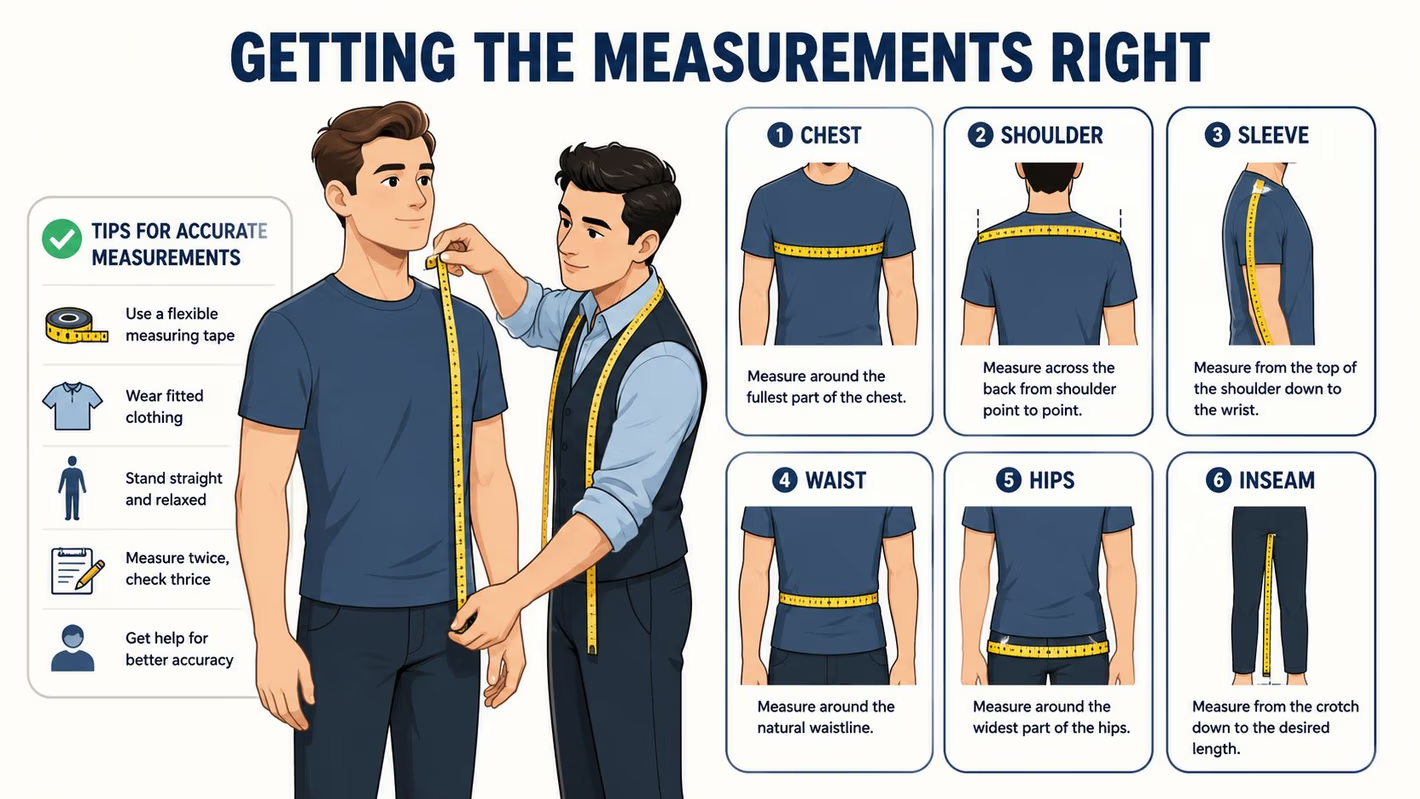
A console may look slim in a photo yet crowd an active passage beside the front door. In our 30,000-square-foot showroom, fit checks come before finish discussions. Four measurements determine whether a piece works: height, depth, length, and clear walking space. At home, mark the proposed footprint with painter's tape. That gives a more dependable starting point than estimating from memory.
Height and wall relationship
A practical starting range is 30 to 34 inches high, based on this console table size guide. That height generally puts the surface within comfortable standing reach for keys or mail. It also leaves wall space above the table for a mirror or artwork without making the arrangement feel crowded.
For wall art, a center point around 60 inches from the floor offers a useful reference. Adjust the final position to the table's height, the artwork's size, and the sightline from the room. A rigid decorating formula matters less than how the complete arrangement reads when you enter the home.
Depth and passage
For a tight hallway, start with 12 to 18 inches of depth. An open foyer may handle a piece up to 20 inches deep, but a frequently used pass-through calls for more restraint. A console beside a main route should stay under 30 inches deep. Many entryway guides place narrow entrances around 12 to 14 inches deep, with 30 to 36 inches of clear floor space in front for comfortable movement (market sizing guidance).
Practical rule: Measure the clear path after placing the table, not before. Door swings, handles, baseboards, stair railings, and nearby furniture all reduce usable space.
Length and proportion
A table spanning about two-thirds to three-quarters of the wall width usually looks intentional without occupying every inch. That proportion helps explain why 48-inch and 60-inch consoles suit medium and larger entries. Use the wall, rather than a standard size, as the deciding reference.
Before visiting the Grants Pass showroom, record:
- The wall width between corners or trim.
- The distance from the wall to the opposite walking edge.
- The complete door swing, including handle clearance.
- Any baseboard, stair rail, outlet, or heating register that changes the footprint.
For a fuller room-by-room process, use Gates' furniture measuring guide.
Materials and Construction That Hold Up
A console near the front door deals with more than visual wear. Shoes track in grit, damp coats may brush the surface, and keys or bags land on it every day. In our 30,000-square-foot showroom, we check construction as closely as finish because a handsome piece still has to hold its place in a working entryway. Gates Home Furnishings has served Southern Oregon since 1946, and that hands-on experience makes the trade-offs clear.
Reclaimed wood adds character through knots, nail scars, oxidation marks, and irregular grain. Each piece has a distinct surface, though it may not be smooth enough for a phone, glassware, or other delicate items. Reclaimed consoles can also be heavy. Stable indoor humidity helps limit unnecessary movement in the wood.
Teak fits buyers who want resilience with relatively simple care, especially in a covered porch entry or an area exposed to damp conditions. Its natural oil content supports long-term durability, but the surface still needs sensible cleaning and protection from standing moisture.
Manufactured wood can serve as a reliable budget choice when the underlying construction is sound. Inspect the edge banding, drawer fit, fasteners, and joints rather than judging only the printed finish. Crisp edges and tight connections generally show better attention to the points that receive daily contact.
Metal-frame designs suit modern and industrial rooms while keeping the visual profile lighter. Check the feet before placing one on hardwood. Felt pads or another suitable floor protector can reduce marking and help the table move safely when the entry needs cleaning.
Entryway Console Materials Compared
| Material | Durability | Maintenance | Weight | Best Style Fit | Price Band |
|---|---|---|---|---|---|
| Reclaimed wood | Strong, with natural irregularities | Dusting, careful cleaning, stable indoor conditions | Often heavy | Rustic, Craftsman, collected interiors | Varies by piece |
| Solid teak | Resilient and naturally oil-rich | Low maintenance, protect from standing moisture | Medium to heavy | Warm modern, coastal, covered entries | Varies by construction |
| Manufactured wood with veneer or laminate | Depends on edge banding and joints | Easy routine care | Light to medium | Contemporary, apartment-friendly | Budget to mid-range |
| Metal and mixed media | Strong frame with surface-specific needs | Protect floors and clean finish as directed | Light to medium | Modern and industrial | Budget to premium |
Use Gates' solid wood and veneer comparison to examine how the surface and core affect a console's maintenance and feel. The showroom's Unique Finds, including reclaimed wood, teak, and one-of-a-kind statement pieces, often arrive in limited runs. Inspect those pieces in person when the appeal depends on a particular grain pattern, joinery detail, or live-edge character.
Matching Style to Your Entryway Layout
The entryway shape should narrow the choices before personal taste takes over. A console that suits an open foyer can make a hallway feel blocked, while a delicate shelf may disappear against a broad wall. The right profile follows the architecture and the route people take through the home.
Narrow hallways
A hallway under 4 feet wide usually benefits from a slim profile under 14 inches deep. Clean-lined reclaimed wood can add warmth without creating a bulky visual block, especially when the legs and apron remain open. Closed cabinets may provide useful concealment, but their depth and door swing need careful checking.
Open foyers
An open foyer with 6 feet or more of wall space can carry a stronger statement. A chunky teak slab, a substantial mixed-material frame, or a two-drawer cabinet can anchor the entrance without competing with circulation. The broader wall gives the piece room to read as furniture rather than an obstruction.
Stair landings and apartment entries
Stair landings often create the hardest combination of angles, low windows, railings, and changing headroom. Lower-profile consoles with closed storage keep visual weight grounded, while a tall mirror may clash with a sloped ceiling or window.
Apartment entries with a coat closet beside the door often benefit from open-shelf designs. The open area gives the furniture breathing room and can hold baskets for small accessories without adding another solid block beside the closet.
| Layout Type | Recommended Depth | Best Profile | Ideal Material |
|---|---|---|---|
| Narrow hallway under 4 feet wide | Under 14 inches | Slim legs and clean lines | Reclaimed wood |
| Open foyer with broad wall space | 14 to 20 inches | Statement slab or cabinet | Teak or mixed media |
| Stair landing | Shallow, measured around railings and windows | Low profile with concealed storage | Wood with closed compartments |
| Apartment entry beside closet | Shallow to moderate | Open shelf with light visual weight | Veneer, laminate, or metal frame |
Leg style should support the home's architecture. Turned legs can sit naturally in traditional Craftsman homes common around Grants Pass, tapered mid-century lines suit many 1960s ranches, and live-edge slabs can complement newer construction. Sightlines matter too. From the front door, the console is often the first furniture a guest sees, so its shape should signal the home's design language without overwhelming the threshold.
Storage, Lighting, and Mirror Pairing
A decorative console becomes useful when its storage and lighting match the household's habits. Drawers conceal mail, keys, chargers, and other small items. Open shelves can display baskets for gloves or dog leashes, while a lower shelf may hold a boot tray if the surrounding clearance permits.
Coverage of projected 2026 entryway trends points toward concealed storage replacing exposed shelving and purely decorative surfaces, with hall trees, hidden compartments, and baskets under consoles receiving attention. The practical shift is less about adding storage everywhere and more about hiding the visual evidence of daily life. False fronts, lift-top lids, and woven door panels can preserve a calm view from the front door.
Drawers, shelves, or neither
- Drawers: Best for small items that need a dedicated home and a clean tabletop.
- Open shelves: Useful when baskets provide flexible storage and quick access.
- No built-in storage: Appropriate when the table is primarily a display piece or when a nearby closet already handles entryway organization.
Lighting deserves equal attention. A console can support table lamps around 24 to 30 inches tall for a comfortable visual relationship, but sconces or a picture light may work better in a narrow hall where lamp shades compete with a mirror. The brightest light source should guide mirror placement. Round mirrors soften a linear corridor, while rectangular mirrors reinforce architectural lines.
Mounting a mirror 6 to 8 inches above the tabletop usually creates a connected arrangement. For a standalone mirror, a center point around 57 to 60 inches from the floor offers a practical starting position.
Shoppers considering illuminated mirror options can also review this resource on LED mirrors for Melbourne homes for ideas about integrated lighting and compact wall planning. For broader styling guidance, Gates' statement mirror guide can help connect the mirror's scale with the console beneath it.
Budget, Financing, and White-Glove Delivery
A console table purchase involves more than the tabletop. The full plan may include a mirror, lighting, baskets, floor protection, and delivery that can handle the actual entrance. Set the budget around the finished arrangement, not the console by itself. A table that fits the wall but leaves the rest of the entryway unfinished can create another purchase later.
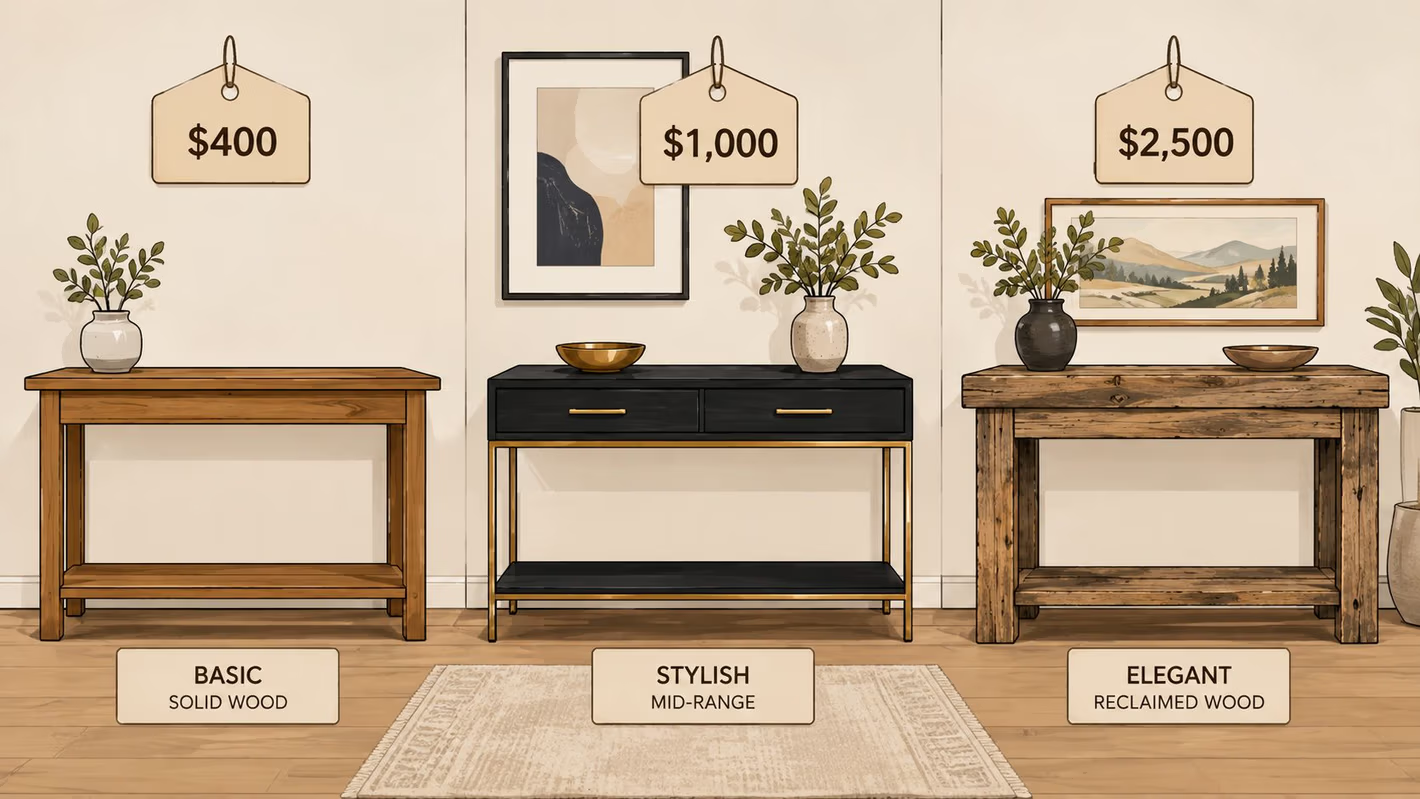
Quality and construction set the starting point. Solid-wood imports may begin around $400, mid-range choices often fall between $800 and $1,400, and handcrafted reclaimed pieces can reach $2,500 or more. A console, mirror, and lighting arrangement may cost two to three times the table alone, so account for those surrounding pieces before choosing a finish or size.
Payment flexibility
Gates Easy Pay includes $0 down, six equal payments, promotional no-interest options when the balance is paid in full during the promotional period, and no-credit-needed or lease-to-own pathways. Approval requirements and promotional terms can vary. Ask the team to explain the agreement, payment schedule, and total obligation before selecting a payment route.
Flexible financing should support the right construction and material for the home. It should not automatically increase the purchase. A payment plan can make a better-built table workable, but the monthly amount still needs to fit the household budget after delivery and accessory costs are included.
What professional delivery changes
White-glove delivery may include in-home placement, assembly, setup, room-of-choice positioning, and removal of old furniture or mattresses. Haul-away can carry a separate fee or belong to a bundled service, so confirm the exact scope before delivery. Gates' white-glove delivery information outlines the service model and helps shoppers prepare for placement.
In older Grants Pass homes, tight doorways, stairs, close trim, and narrow halls can make delivery part of the fit decision. Professional placement reduces the chance of damage during handling and confirms that the console sits where planned. Gates' service conversation covers assembly, careful positioning, packaging removal, and mattress haul-away, with final inclusions confirmed for the order.
Before delivery, measure the entrance route again and note door swings, stairs, railing, and tight turns. That preparation gives the delivery team useful information and protects the furniture, walls, and trim.
Shopping Local in Grants Pass and the Rogue Valley
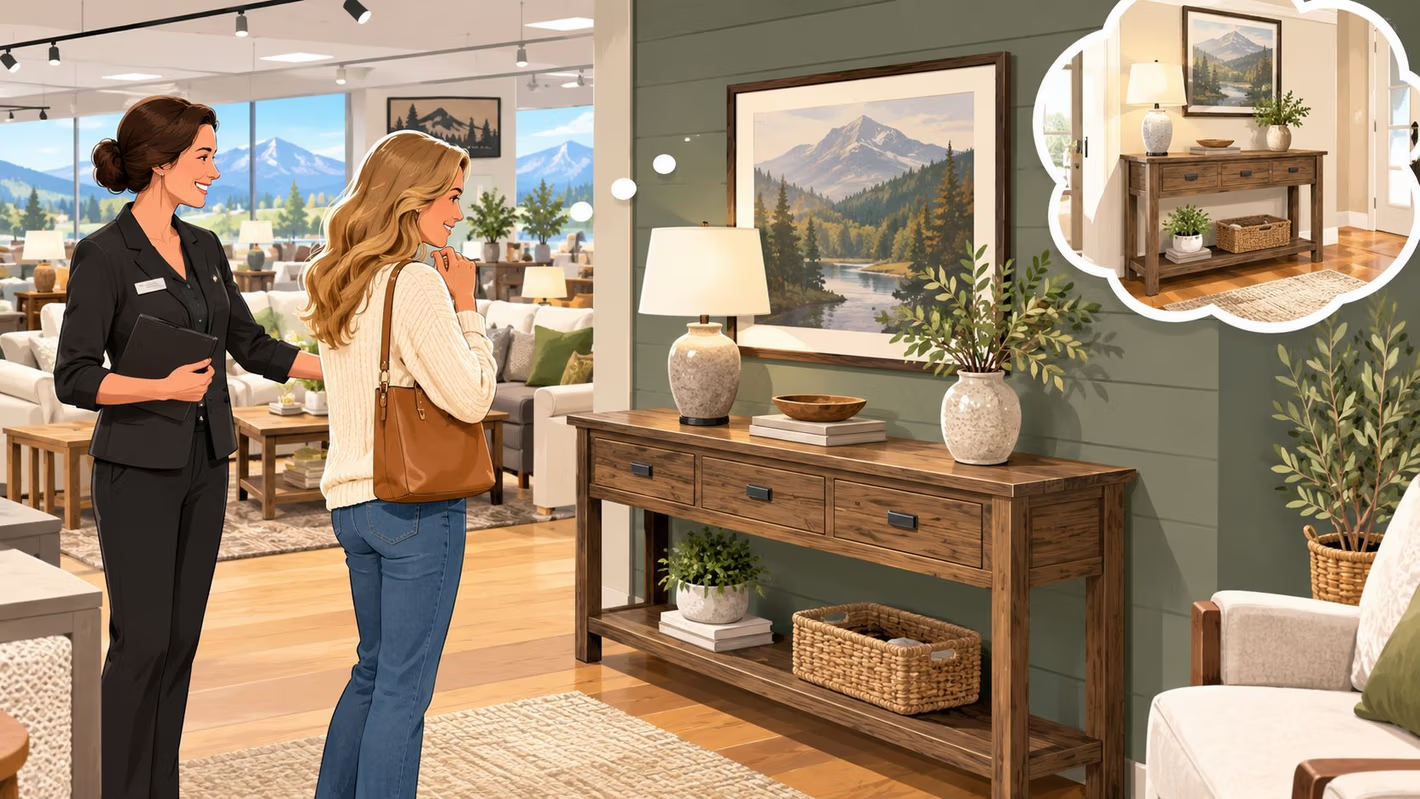
Online photos rarely show how a console's depth changes a real passage. In the 30,000-square-foot Grants Pass showroom, shoppers can compare scale against surrounding furniture, open drawers, inspect edge construction, and test whether a mirror or lamp overwhelms the surface. That physical check is especially useful for reclaimed wood and teak, where texture, weight, and finish variation are part of the decision.
A practical showroom visit starts with four pieces of information:
- Wall measurements: Bring the usable wall width, not just the room's overall dimensions.
- Clearance notes: Record door swings, stair rails, baseboards, outlets, and nearby closets.
- Storage needs: Decide whether keys and mail require drawers or whether baskets on an open shelf will work.
- Style references: Note whether the home leans Craftsman, ranch, contemporary, rustic, or mixed.
What local service adds
Gates Home Furnishings traces its Grants Pass roots to 1946, when George Gates Jr. founded the company around the promise of “Service and Value” (Gates history). That heritage matters in a purchase where a few inches can decide whether a table works. A local furniture advisor can ask about the doorway, hallway, staircase, pets, children, and daily drop-zone habits before suggesting a finish.
The showroom serves shoppers from Medford, Central Point, Ashland, Cave Junction, and the broader Rogue Valley. Visitors can also review brands including La-Z-Boy, Flexsteel, Ashley, and Beautyrest while considering how the console will relate to the rest of the home. Availability and pricing should be confirmed on the showroom floor or by phone, particularly for one-of-a-kind Unique Finds made from reclaimed wood or teak.

The strongest choice is the one that leaves the entry easy to use on an ordinary day. A console should catch the keys, support the lighting, complement the mirror, and stay out of the way of every person, pet, and grocery bag moving through the door.
Visit Gates Home Furnishings in Grants Pass to compare console tables for entryway spaces, test storage and construction in person, and bring rough wall measurements for practical guidance. The team can also explain Gates Easy Pay, Unique Finds availability, and professional delivery options for homes throughout Southern Oregon.