Camel Color Sofa Guide for Southern Oregon Homes

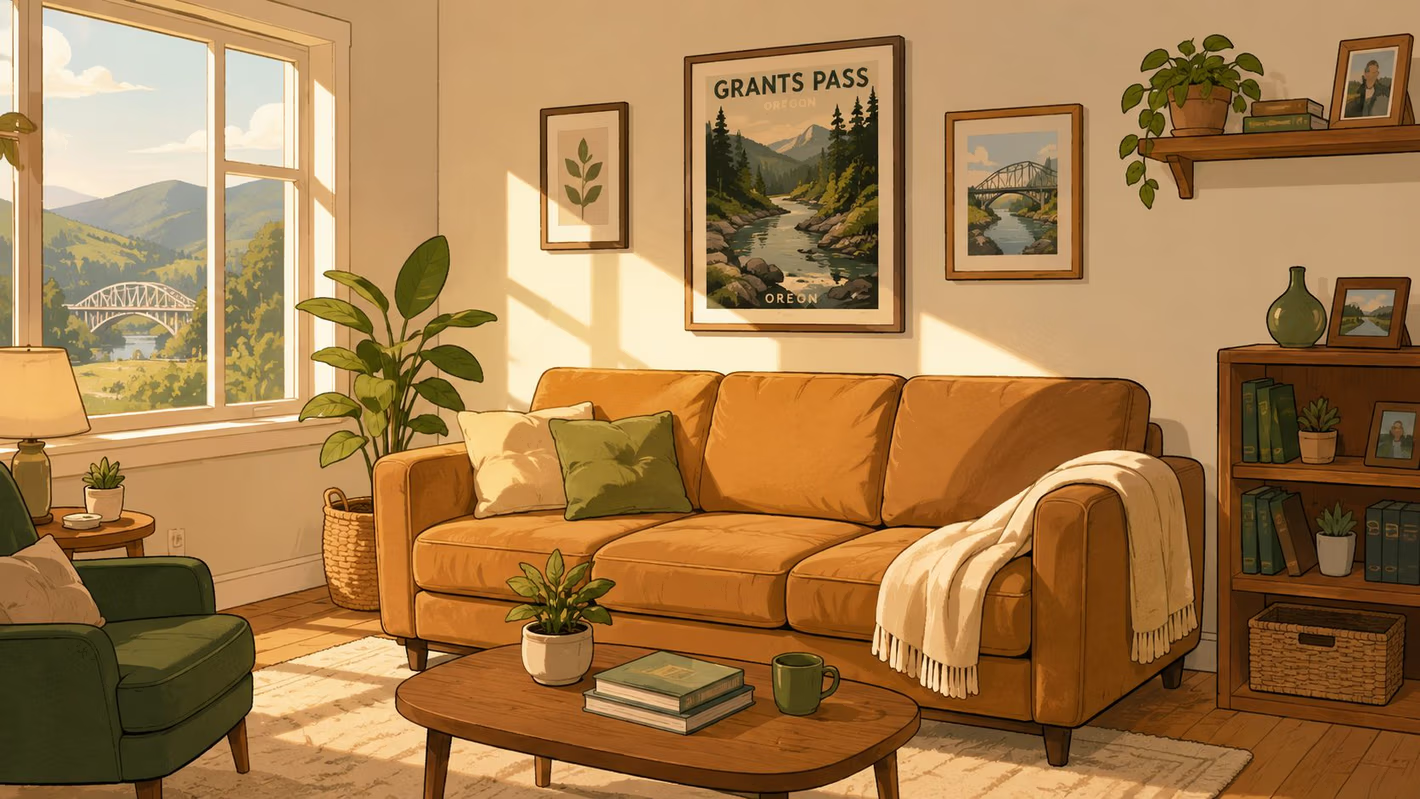
In a Grants Pass living room, afternoon light can change a sofa's personality in the space of an hour. A cover that looked beige in the showroom may turn golden near a Rogue River-facing window, then look deeper and more caramel under evening lamps. That shift is why choosing a camel color sofa takes more than liking a photograph.
Camel sits in a useful middle ground. It can warm pine ceilings, settle beside oak floors, and give a room more character than flat beige without demanding a complete redesign. For households in Medford, Central Point, Ashland, and across the Rogue Valley, the better question isn't whether camel is fashionable. It's whether the shade, upholstery, and comfort will still make sense after years of family life.
Picture the Sofa You Walk Past Every Day
A homeowner in Grants Pass might first notice camel in a catalog, then catch the same color in a showroom beside green chairs, natural wood, or a print. The shade feels familiar but not ordinary. It has enough warmth to make a room welcoming, yet enough restraint to work when the artwork, rug, or wall color changes.
That flexibility matters because a sofa usually stays through several decorating phases. Pillows change, a coffee table moves, and a new rug eventually replaces the old one. A warm neutral can accommodate those changes more gracefully than a highly specific accent color.
The choice also fits a broader furniture category. One 2025 upholstered-furniture estimate valued the global market at USD 65.72 billion and projected USD 82.29 billion by 2030, while another estimate placed the category at USD 68.88 billion in 2025 and projected USD 122.45 billion by 2034. Those projections describe upholstered furniture overall, not camel sofas specifically, but they show that camel seating belongs to a substantial category with ongoing replacement and upgrade demand. (Industry market estimate)
Three questions worth answering before purchase
- Which camel? Golden camel feels lighter and sunnier, while caramel or tobacco-leaning versions feel richer.
- Which cover? Leather, microfiber, and woven fabrics respond differently to pets, sunlight, spills, and daily rubbing.
- Which buying experience? A sofa should be sat on, measured, and assessed in person, not chosen from a shade name alone.
Gates Home Furnishings has served Southern Oregon since 1946, when George Gates built the business around “Service and Value.” That philosophy is useful here because a camel sofa should be treated as a long-term furnishing decision. The right selection begins with understanding the color before anyone considers the purchase.
What Camel Really Means as a Color
Camel isn't one exact swatch. It's a warm neutral between beige and brown, and its appearance can move toward golden, caramel, or sun-baked depending on the leather finish, fabric weave, wall color, and lighting. Two sofas called camel can look noticeably different in a bright room.
A useful way to sort the family is by undertone:
- Golden camel carries a yellow or honeyed cast. It brightens rooms with natural wood and cream walls.
- Caramel camel has more orange or red warmth. It feels relaxed and substantial, especially in leather.
- Deep camel approaches medium brown. It anchors larger rooms and works well with darker rugs.
- Muted camel contains more beige. It's the quieter choice for a transitional or softly layered interior.
Tan is usually lighter and less complex. Taupe tends to combine beige with gray, so it can feel calmer or cooler. Mushroom also leans gray-beige, while honey usually appears more distinctly yellow. The name matters less than the undertone, because a yellow camel beside pink-beige walls may look warmer than expected, while a muted camel beside slate tile can appear more balanced.
Practical rule: A sample should be viewed beside the room's flooring, wall color, and window light before the sofa is ordered.
Neutral demand helps explain camel's staying power. One upholstery dataset reported that 68% of consumers preferred neutral colors such as gray, beige, and blue, compared with 22% who chose bold colors. A separate UK snapshot found 55% of buyers selected neutral-colored sofas, including gray and beige, for their timeless appeal. (Historical sofa design and upholstery preference context)
Camel also has historical depth. Its connection to the camel-back sofa form reaches back to the late eighteenth and early nineteenth centuries, when sofas and settees became more common household furnishings. That lineage helps the color feel established rather than disposable.
For shoppers who need better language at the showroom, descriptions such as “golden camel,” “muted beige camel,” or “deep caramel leather” are more useful than asking for “a brown sofa.” A practical guide to building a coordinated color palette can help narrow the surrounding shades before a fabric sample is chosen.
How Camel Stacks Up Against Other Warm Neutrals
Gray, beige, taupe, mushroom, and camel can all look neutral on a sample card, but they create different room temperatures. The best choice depends on the light, flooring, and mood a household wants every day.
Gray is the cooler option. It can support clean-lined furniture and slate tile, but blue or green undertones may feel chilly beside warm wood. Beige is the safest familiar neutral, though a flat beige sofa can disappear against similar walls and carpet.
Taupe sits between gray and beige. It suits transitional rooms that need restraint without starkness. Mushroom is a softer, more contemporary gray-beige, particularly useful when the room has white walls, brushed metal, or a quieter modern palette.
Camel brings more visible warmth and depth. It pairs naturally with pine ceilings, oak floors, woven baskets, ivory walls, and aged metal. On lighter flooring, it gives the seating area definition. On dark flooring, a lighter golden camel can keep the room from becoming heavy.
A simple room-by-room test
| Existing room feature | Neutral that often fits | Why |
|---|---|---|
| Slate tile or blue-gray walls | Taupe or mushroom | These soften cool surfaces without adding strong yellow |
| Oak floors and natural wood | Camel or beige | These reinforce warmth and create a connected palette |
| White walls and black accents | Camel or mushroom | Camel adds welcome, while mushroom keeps the look restrained |
| Low natural light | Golden camel or light beige | These reflect warmth rather than making the room feel colder |
Trend coverage has pointed toward warm neutrals such as camel, taupe, and mushroom as alternatives to colder gray, while Pantone's 2025 Color of the Year, Mocha Mousse, reinforced interest in grounded brown-based palettes. That doesn't mean every room needs brown. It means homeowners have more permission to choose warmth without giving up versatility. (Sofa color trend context)
Camel usually wins when the room should feel cozy, lived-in, and connected to natural materials. Mushroom is often better for a crisp modern room. Taupe suits a bridge between traditional and contemporary. Beige remains appropriate when the sofa needs to recede.
The most reliable test is visual, not verbal. Place samples near the largest wood surface, then check them in morning, afternoon, and lamp light. A warm neutral that works in one part of the room may shift considerably near a bright window.
Choosing the Right Fabric or Leather for Daily Life
Color gets attention, but upholstery performance determines whether a camel sofa remains attractive through ordinary use. Lighter mid-tones can reveal pilling, rubbed nap, dust, and surface variation more readily than dark upholstery, so the cover should match the household rather than the showroom moment.
The numbers that actually matter
Martindale abrasion testing measures how much rubbing a fabric tolerates before visible wear. Upholstery guidance commonly treats about 20,000 Martindale cycles as sufficient for a home sofa, while performance upholstery often ranges from 30,000 to 150,000 cycles. (Upholstery abrasion guidance)
That gives buyers a practical starting point:
- Around 20,000 cycles can suit a quieter living room or occasional seating.
- 30,000 cycles and above offers a stronger fit for regular family-room use.
- Higher performance ratings make sense where children, pets, guests, or frequent lounging create more rubbing.
Pilling has its own rating, so abrasion alone doesn't answer every durability question. Ask for both. A fabric can resist rubbing yet still form visible fiber balls if its construction and fiber mix allow them.
Leather and fabric choices
Top-grain leather offers a natural surface with a substantial feel. Full-grain leather preserves more of the hide's original character, while colour-coated leather may provide more uniform appearance and added resistance to everyday transfer and cleaning.
A camel top-grain, colour-coated cowhide leather example is rated lightfastness 5 on the blue scale and colourfastness greater than 4 in both wet and dry tests. In practical terms, those ratings indicate useful resistance to fading and dye transfer, though placement and care still matter. (Camel upholstery leather specifications)
Performance microfiber can be a practical fabric choice for households that want a soft hand and straightforward maintenance. Solution-dyed fabric is worth discussing when color stability and daily wear are priorities, because the coloring process can support durable performance. The exact rating still matters more than the category name.
Construction deserves attention, too. A well-made cover depends on strong seams, appropriate needles, and thread suited to upholstery loads. For readers interested in the technical side, this explanation of upholstery thread for lasting seams offers useful background without reducing the decision to color alone.
The most useful upholstery materials guide can be reviewed before visiting a showroom. A family with dogs may prioritize cleanability and abrasion resistance. A renter may favor a forgiving fabric. A leather-focused household may accept natural variation in exchange for a surface that develops character.
How Camel Reads in Real Southern Oregon Rooms
A camel sofa changes with its surroundings. The same upholstery can look airy in a river-facing bungalow, grounded in a farmhouse, or surprisingly bright in a compact mid-century ranch.
Near the Rogue River, a light-filled bungalow with white walls and original wood trim gives golden camel room to glow. The sofa looks relaxed rather than formal, especially when paired with linen curtains, a low wood table, and a rug with quiet cream and green variation. The natural light emphasizes the sofa's warm side without requiring bright accent colors.
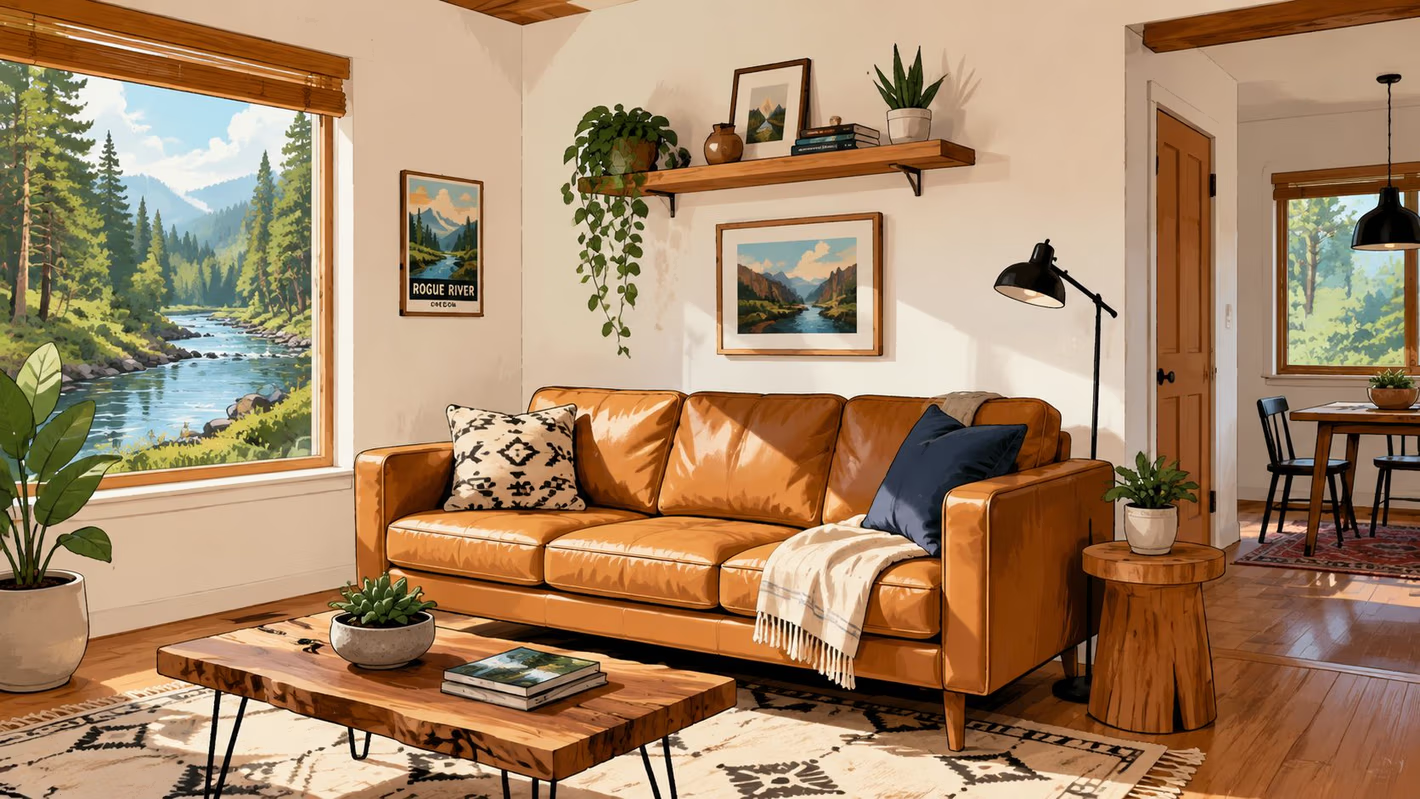
A modern farmhouse east of Central Point may need more weight. Deeper caramel leather can hold its own beside shiplap, matte black hardware, and broad-plank flooring. Here, the sofa becomes the grounding piece, while black lamps and a textured rug prevent the room from feeling overly sweet.
In an Ashland mid-century ranch with a low ceiling, the problem is often visual heaviness. A lighter golden-tan fabric can lift the seating area, particularly against warm white walls and carefully placed lamps. Slim arms and raised legs can help preserve openness, while rust or olive accents add depth without darkening the entire room.
These examples show why a color sample should travel through the room before a decision is made. Medford homes with strong afternoon sun may read camel more brightly than shaded interiors. Central Point rooms with open plans may need deeper upholstery to define the seating zone. Ashland homes with distinctive woodwork may benefit from a softer, less orange version.
Furniture placement completes the effect. A living-room styling guide can help coordinate the sofa with walking paths, tables, lighting, and artwork rather than treating the sofa as an isolated object.
Caring for a Camel Sofa So It Ages Beautifully
A camel sofa rewards consistent care because its warm middle tone shows both its beauty and its wear. Dust can dull the surface, direct sunlight can change the color gradually, and pilling or nap disturbance may stand out more than it would on charcoal upholstery.
Small habits protect the finish
- Vacuum gently: Use a soft brush attachment and avoid dragging a hard nozzle across the cover.
- Blot spills: Press with a clean, absorbent cloth instead of rubbing, which can spread the mark or disturb the nap.
- Manage sunlight: Keep the sofa away from strong afternoon exposure when possible, or use window coverings during the brightest part of the day.
- Rotate cushions: Rotate and reverse compatible cushions monthly so one seat doesn't carry every sitting load.
- Follow the care code: Test any cleaner in a hidden area and use the manufacturer's instructions before treating the visible surface.
Leather needs its own discipline. It shouldn't be saturated, scrubbed aggressively, or treated with an unapproved household product. Guidance written for how to protect your leather briefcase offers a helpful reminder that conditioning and cleaning should be matched to the leather finish, not guessed from the color.
Plan for the household, not the brochure
Families with children or pets may want a fabric protector or a protection plan that addresses accidental spills and tears. Renters can benefit from predictable coverage because replacing a sofa after one mishap is rarely part of the moving budget. Gates Care Shield is an available protection-plan option for households that want that additional layer of planning.
Professional cleaning should follow the upholstery maker's recommendations and the actual use of the sofa. A lightly used sitting room needs less attention than a family room where meals, pets, and weekend guests all share the same cushions. The key is to avoid waiting until the camel tone looks tired. A stain-protection resource can help households understand the role of protection before a spill occurs.
Styling Palettes, Pillows, and Rugs Around Camel
Camel works best as a calm anchor, not as the only warm color in the room. Accessories should repeat or balance its undertone, adding contrast through texture, green, blue, rust, or black rather than covering every surface with matching brown.
Three palettes make the choice easier:
- Terracotta, olive, and ivory create an earthy Rogue Valley feeling. Terracotta adds energy, olive connects with plants and outdoor views, and ivory keeps the sofa from reading too dark.
- Deep navy, brass, and cream produce a more polished room. Navy supplies controlled contrast, brass echoes the sofa's warmth, and cream keeps the composition light.
- Rust, black, and warm white gives camel a sharper modern edge. Black defines the room, rust adds depth, and warm white prevents the palette from becoming dense.
Pillow mixing should vary scale and surface. One larger solid pillow can establish the base, a patterned pillow can bring in the accent color, and a smaller textured pillow can soften the arrangement. A throw in nubby cotton, woven wool, or relaxed linen adds touchable contrast without introducing another dominant hue. A resource such as this 2026 pillow and blanket sets guide can help coordinate those layers.
The rug should support the sofa's warmth. Cream, ivory, muted olive, terracotta, and restrained navy can all work, provided the rug doesn't fight the camel undertone. A light rug can open a darker room, while a deeper or more patterned rug can give a pale camel sofa stronger definition.
A reclaimed wood or teak coffee table adds useful variation. Gates Home Furnishings' Unique Finds include reclaimed wood, teak, and one-of-a-kind statement pieces, giving shoppers a way to connect warm upholstery with furniture that has visible character rather than a uniform finish.
For buyers who want to test the entire combination, the 30,000-square-foot showroom in Grants Pass allows side-by-side evaluation of sofas, chairs, rugs, and tables. Gates Easy Pay includes $0 down, six-month interest-free options, and no-credit-needed choices, subject to program terms. White-glove delivery includes professional placement and assembly rather than dropping boxes at the curb.
Buying Smart in Southern Oregon
A camel sofa earns its place in a Southern Oregon home by handling daily use as well as changing light. Before we judge its style, we check how it will enter the house, support the people using it, and age through dry summers and wet winters.
- Measure the room and doorway: Include turns, stairways, trim, and the final placement area.
- Test seat depth: Sit with feet supported and check whether the back cushion encourages relaxed posture.
- Compare cushion fills: Down-wrapped cushions feel softer and more relaxed, while high-resilience foam generally offers a firmer, more structured sit.
- Ask about the frame: Request information about construction, support, upholstery origin, and care requirements.
- Bring room references: Flooring photos and paint samples make undertones easier to judge.
Comfort is difficult to assess from a product photo. Gates Home Furnishings has served Grants Pass, Medford, and the Rogue Valley since 1946, and its showroom lets shoppers compare comfort-focused seating in person. This guide to places to buy living-room furniture can help organize the search.
White-glove delivery commonly includes placement in the chosen room, assembly or setup, packaging cleanup, and sometimes removal of an old item. Ask what the service covers before scheduling delivery, especially when stairs, narrow entries, or existing furniture complicate the setup.
Gates Home Furnishings offers camel sofas, comfort-focused seating, Gates Easy Pay options, Unique Finds, and professional in-home delivery for Southern Oregon homes. Visit Gates Home Furnishings to browse online or plan a visit to the 30,000-square-foot showroom in Grants Pass.