Stain Protection for Upholstery: Expert Tips 2026


A new sofa changes the whole room. Then the first worry shows up. Someone sets down a coffee mug, a dog jumps up with dusty paws, or a child walks by with a snack that definitely shouldn't be near light-colored fabric.
That nervous feeling is common because upholstery gets used, not admired from across the room. In Southern Oregon homes, daily living adds its own wear. Dust, active households, and regular seat time all test fabric faster than expected. Good stain protection for upholstery doesn't make furniture magic-proof, but it does buy time, reduce stress, and help a good piece stay good-looking longer.
Table of Contents
- Your New Sofa Is Home Now What
- How Upholstery Stain Protection Actually Works
- Comparing Your Stain Protection Options
- The Truth About DIY Sprays in Southern Oregon Homes
- Our Promise The Gates Care Shield Protection Plan
- Protect Your Furniture for Years to Come
Your New Sofa Is Home Now What
The first day a new sofa arrives is usually half excitement, half caution. People sit down carefully. Drinks stay on coasters. Pets suddenly look a little suspicious.

Why the first week feels different
That reaction makes sense. Upholstered furniture is one of the biggest comfort purchases in a home, and nobody wants the first spill to become the first regret. Families in Grants Pass, Medford, Central Point, Ashland, and across the Rogue Valley often ask the same question right after delivery. How do people keep new upholstery looking clean once real life starts?
The answer starts with understanding what protection can and can't do. It won't stop every accident. It will give fabric a better chance when accidents happen.
George Gates Jr. founded the business in 1946 in Grants Pass, Oregon, with a 5,000-square-foot store at 7th and H Street. It has grown to a 30,000-square-foot showroom at 700 SW 6th St over the decades, reflecting more than six-fold growth in physical space over 80 years, as noted by the Gates Home Furnishings Houzz profile. That long history matters because families still want the same thing George Gates promised from the beginning. Service and Value.
What protection really means
Protection isn't just about spills from a glass of Rogue Valley wine or a child's juice box. It's also about the little things that build up gradually, body oils on armrests, dirt settling into seat cushions, and everyday grime that makes a sofa look older than it is.
Practical rule: The best time to think about stain protection for upholstery is before the first accident, not after it.
Some homeowners also add a physical barrier for moving, storage, or extra day-to-day defense. For that kind of practical layer, Durable sofa protection can be a useful reference when comparing cover styles and use cases.
Fabric choice still matters, too. Before choosing any sofa or chair, it helps to review what to look for in a new sofa or chair, especially if the home includes kids, pets, or a room that gets used every night. In a family-owned showroom carrying brands such as La-Z-Boy, Flexsteel, Ashley, and Beautyrest, that kind of conversation is part of helping neighbors choose wisely instead of just choosing quickly.
How Upholstery Stain Protection Actually Works
Stain protection gives your upholstery a short head start. It helps spills stay near the surface long enough for you to blot them up before they travel deep into the fabric.
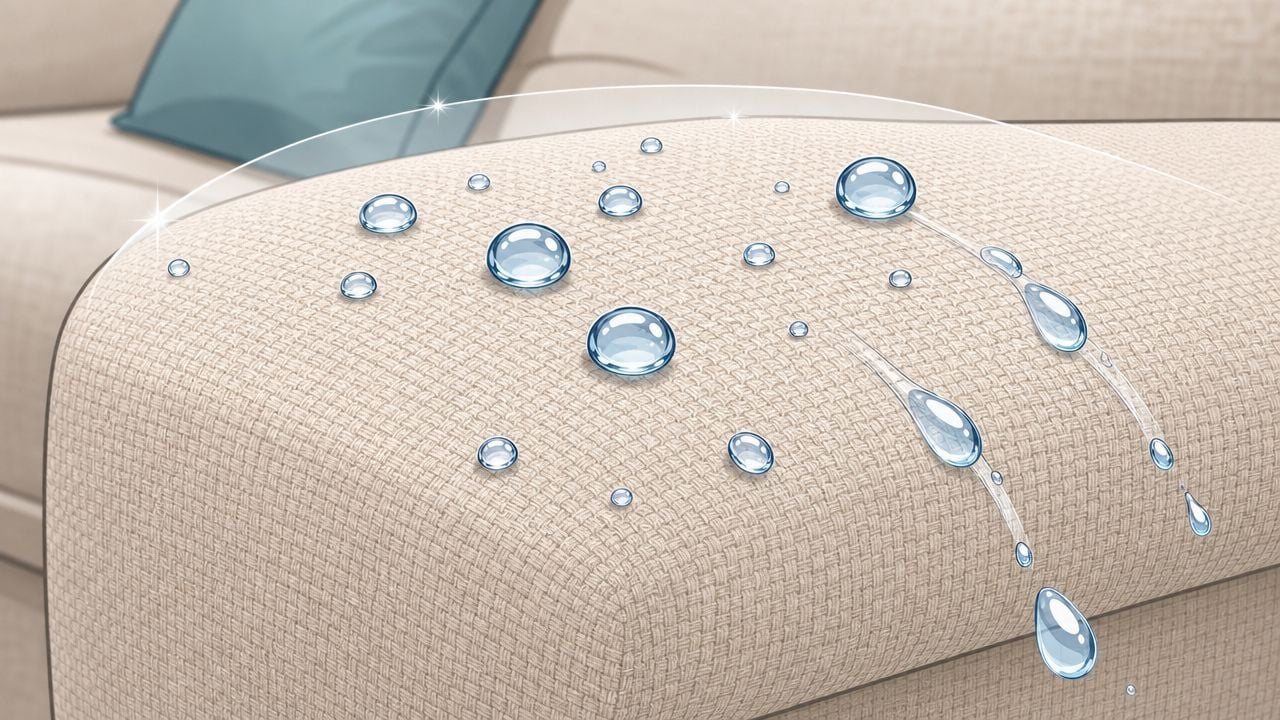
That timing matters more than many homeowners realize. In a busy Southern Oregon home, a spill rarely happens when everyone is standing still with a clean towel in hand. It happens during movie night, when the dog jumps up, or when someone sets down a coffee cup a little too fast. Protection helps by slowing absorption. It does not make fabric immune.
Here is the plain-English version. A quality protector coats the fibers with an invisible layer that makes liquid bead up instead of spreading fast through the weave. If the fabric gets a few extra moments of resistance, cleanup is simpler and the odds of a deep stain go down.
The fibers still matter.
Some upholstery fabrics already resist spills better because of how they are woven or what they are made from. Other fabrics need more help from a treatment. If you want to sort out those differences before choosing a sofa or a protection plan, our guide to upholstery materials and fabric performance is a good place to start.
Treatment and stain resistance are different things
This is one of the biggest points of confusion in the showroom.
- Stain-resistant fabric has built-in performance characteristics.
- Stain-protected fabric has a treatment added to improve spill repellency.
- Some upholstered pieces have both, which usually gives a family more margin for error.
That last point is where marketing can get ahead of reality. A spray or factory treatment can help. It cannot stop every spill, every pet mess, or every oil-based stain forever, especially on a sofa that gets used every day.
Protection buys you time. It does not replace fast blotting, proper cleaning, and realistic expectations.
For furniture that is already in the home, the fabric needs to be clean before any protector goes on. Dirt, body oils, and old residue can block even coverage, a bit like trying to paint over dust and expecting a smooth finish. Homeowners who want to see what proper prep looks like can review the upholstery cleaning steps from J.G. Carpet Cleaning LLC.
That is also why store-backed protection plans often hold up better than a quick can from the shelf. Its value is not just the liquid repellent. It is the full system behind it, the right fabric match, correct application, and support when real life happens.
Comparing Your Stain Protection Options
Not all protection methods perform the same way. Some are built into the fabric before the sofa is ever assembled. Some are added later by a professional. Some come from a can on a store shelf.
Each option fits a different kind of shopper, budget, and household routine.
Factory protection
Factory-applied protection starts before the furniture reaches the home. Because the fabric is treated before manufacturing, the barrier is part of the piece from day one. This tends to be the cleanest starting point because there hasn't been time for body oils, dust, or spills to interfere with the treatment.
This option often makes sense for the main sofa, a family sectional, or any seat that will get hard daily use.
Professional after-purchase treatment
Professional application works well for upholstery that's already in service or for pieces that weren't treated at the factory. The strongest version of this approach starts with a deep cleaning, followed by even application across the fabric.
A professional product forms a layer that helps liquids bead off instead of soaking in quickly. The benefit isn't total immunity. The benefit is more reaction time.
- Best use case: Existing furniture that still has good structure and fabric condition.
- Big advantage: More consistent coverage than most homeowner-applied spray jobs.
- Important note: Cleaning and reapplication matter because the barrier wears down over time.
DIY spray products
DIY sprays are easy to buy and easy to apply, which is why they're so appealing. For a guest chair or a lightly used accent piece, they may feel like a simple answer.
The tradeoff is predictability. Results depend heavily on fabric type, surface cleanliness, application technique, and how much daily friction the furniture gets.
A can in the garage sounds convenient. Convenience and long-term performance aren't always the same thing.
Stain Protection Methods Compared
| Method | Effectiveness | Durability | Best For |
|---|---|---|---|
| Factory treatment | Strong foundational protection integrated before use | Typically the most dependable starting point | New sofas, sectionals, dining chairs, frequently used seating |
| Professional treatment | Strong when applied after deep cleaning | Good with proper maintenance and reapplication | Existing upholstery, refreshed pieces, homes that want better consistency |
| DIY spray | Variable and dependent on prep and fabric type | Shorter in real-world heavy use | Light-use furniture, temporary refresh, budget-first situations |
Shoppers weighing long-term value often look at protection the same way they look at the rest of the purchase. They want comfort they can test, financing that doesn't strain the monthly budget, and service that doesn't stop at checkout. In a long-running family showroom in Grants Pass, that conversation often happens alongside discussion of Unique Finds such as reclaimed wood and teak statement pieces, not just sofas and recliners. It also includes practical ownership details like Gates Easy Pay with $0 down, 6 equal monthly payments, no-interest options if paid in the promotional period, and no-credit-needed choices, plus white-glove delivery with professional assembly and mattress haul-away instead of dropped boxes at the curb.
The Truth About DIY Sprays in Southern Oregon Homes
DIY fabric sprays are marketed like a one-step shield. Spray it on, let it dry, and stop worrying. In a real home, especially in Southern Oregon, it usually isn't that simple.

Why the label and real life don't match
Independent testing and professional cleaner data show that DIY fabric protector sprays typically last only 3 to 6 months in homes with daily use, pets, or children, rather than the one-year protection many shoppers expect. The same source notes that applying spray to uncleaned furniture can reduce effectiveness by up to 70%, according to this upholstery protection video reference.
That gap matters because households don't use furniture in laboratory conditions. Seat cushions get rubbed every day. Armrests collect oils from skin and hair. Dust settles, especially in dry stretches of the year. In the Rogue Valley, seasonal dust and wildfire residue can add another layer that works against the clean, even barrier a spray needs.
Where homeowners get tripped up
Many people make one of these mistakes without realizing it:
- Spraying over used fabric: The product sits on top of dirt and oils instead of bonding evenly to the upholstery.
- Assuming all fabrics respond the same way: Tight, smooth fabric and textured weave don't behave alike.
- Treating the whole sofa as equal-use furniture: The middle cushion may stay clean longer than the favorite corner seat.
- Waiting too long to blot: Even a treated surface still needs a quick response.
A homeowner who wants details on store-bought options and practical upkeep can review upholstery protection spray guidance. That kind of advice helps set realistic expectations. DIY products can help in some situations, but they often create confidence that lasts longer than the protection itself.
A simple analogy fits here. A DIY spray is like putting a light wax on a daily driver and expecting it to survive a full season of dust, sun, and rain without fading. It may help at first. It just doesn't hold up the same way under hard use.
Our Promise The Gates Care Shield Protection Plan
Furniture protection feels very different when it's tied to a store's long-term service promise instead of a can on a shelf. That's where a store-backed plan stands apart.
Service and Value still matters
George Gates Jr. built the company in 1946 on a promise of Service and Value. That phrase still matters because stain protection isn't only about chemistry. It's also about accountability after the sale.
The official Gates Care Shield protection plan explicitly covers accidental spills and tears on upholstered furniture for multiple years, providing life-accident coverage that helps safeguard furniture from common household damage. For families buying a main living room piece, that kind of protection speaks to risks people worry about most. Spills. Snags. Punctures. Daily life.
Why a store-backed plan feels different
A protection plan like this solves a different problem than a DIY spray. The question isn't only, "Will liquid bead for a while?" The bigger question is, "What happens when life wins anyway?"
That difference matters for:
- Families with children or pets: Accidents are occasional in some homes and routine in others.
- High-use living rooms: The furniture everyone uses takes the most punishment.
- Long-term buyers: Shoppers who plan to keep a piece for years often value support as much as treatment.
Some homeowners don't want another product to remember. They want a plan that's already attached to the purchase.
This approach also fits higher-quality purchases better. Whether the room includes a classic upholstered silhouette, a durable everyday sectional, or one of the store's Unique Finds in reclaimed wood or teak nearby, protection works best when it matches the level of investment. For shoppers comparing monthly budgets, Gates Easy Pay also helps keep better furniture and better protection accessible with $0 down, 6 equal monthly payments, no-interest promotional options, and no-credit-needed paths. Details on store-backed coverage are outlined in this furniture protection plan guide.
Protect Your Furniture for Years to Come
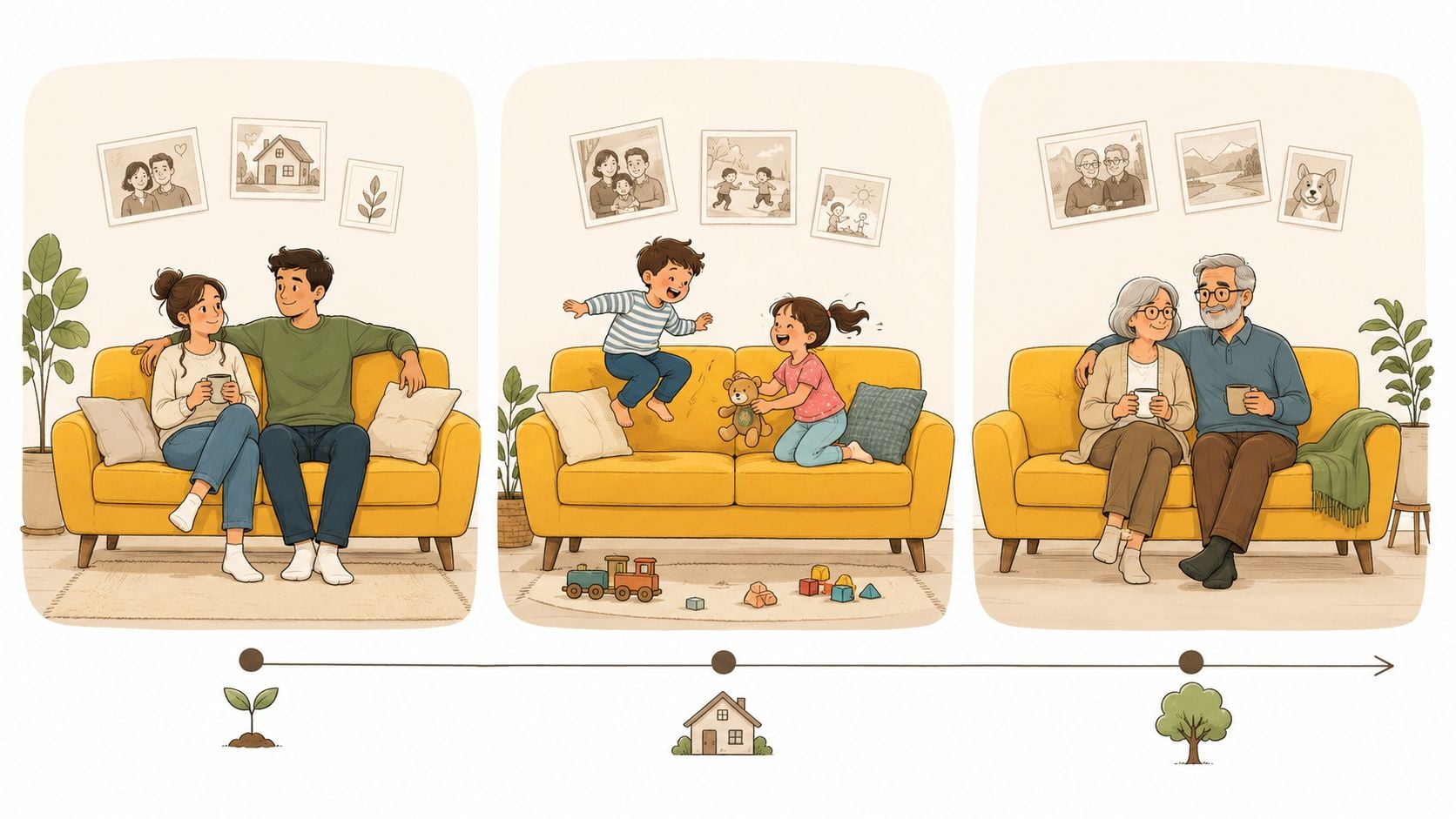
The best protection choice usually comes down to one honest question. Is this a temporary fix for a low-risk piece, or is this a long-term seat for the people living in the house?
A practical way to choose
For an accent chair in a quiet room, a lighter approach may be enough. For the sofa where the family gathers every night, stronger protection usually makes more sense. Upholstery ages where people touch it most, spill on it most, and clean it most.
That same common-sense approach shows up in other material-care categories, too. Anyone curious how protectants are evaluated on another heavy-use surface can look at this guide to the best marine vinyl protectant. The materials are different, but the lesson is familiar. Surface care works best when the product matches its actual environment.
Test it before it lives in your house
A major advantage of shopping in person is that fabric doesn't stay theoretical. Customers can sit, touch, compare, and notice what feels tightly woven, what feels softer, and what looks practical for the room they have. Gates Home Furnishings operates a 30,000-square-foot showroom in Grants Pass, Oregon, giving customers a place to physically test comfort and durability before purchase, as shown in this showroom feature.
That matters for shoppers from Grants Pass, Medford, Central Point, Ashland, and the wider Rogue Valley because protection choices are easier when the fabric is right to begin with. Maintenance matters, too, and a seasonal routine can help upholstery stay cleaner between major cleanings. A simple starting point is this fall furniture maintenance checklist.
Good furniture should be lived on, not tiptoed around. The right stain protection for upholstery helps households relax, enjoy the room, and keep favorite pieces looking better for longer.
For neighbors across Grants Pass and Southern Oregon who want to test fabrics in person, compare comfort side by side, and ask real questions about protection, financing, and delivery, Gates Home Furnishings is ready to help. Visit our Grants Pass Showroom or browse our collection online to explore La-Z-Boy, Flexsteel, Ashley, Beautyrest, one-of-a-kind Unique Finds, Gates Easy Pay, and white-glove delivery with professional assembly and mattress haul-away.