Antique Wood Chairs for Sale: A Local Buyer’s Guide


A shopper usually notices an antique wood chair before they know exactly why it feels different. The curve of the crest rail, the depth of the grain, even a slight give in a hand-cut joint can tell a fuller story than a showroom tag ever will. Around Grants Pass and the Rogue Valley, that kind of chair still earns real attention because folks want pieces with honest age, not just something that fills a corner.
The market backs that up. The global antique furniture market was valued at USD 28.7 billion in 2024 and is projected to reach USD 48.7 billion by 2033, a 6.1% CAGR from 2025 to 2033, which helps explain why buyers keep looking for authentic seating with character and provenance Growth Market Reports antique furniture market. Antique wood chairs for sale sit right in that flow, especially when a buyer wants something that can still work in a dining room, entry, or reading nook.

For families furnishing a home in Southern Oregon, the question isn't whether old wood has charm. It's whether the chair is authentic, comfortable, fairly priced, and worth hauling home. That's the kind of buying decision best made with a practiced eye, a hand on the seat rail, and enough local know-how to separate a decorative relic from a piece that can serve for years.
By the end, the reader should know how to spot authentic age, evaluate condition, price fairly, and enjoy the chair for decades.
Why Antique Wood Chairs Still Earn a Place in Modern Homes
A good antique chair does something many new pieces never manage. It invites a hand to rest on the back rail, then rewards the touch with a surface worn by time instead of factory finish. That wear is the record of a piece that has already proven it can live in a real home.
In Southern Oregon, that matters because buyers do not just want display pieces. They want furniture that can move from a dining table to a bedroom corner to a guest room without feeling precious or disposable. A chair with age can anchor a room, especially when the rest of the space mixes newer upholstery, wood tables, or the kind of reclaimed finishes people keep asking for in Grants Pass and Medford.
The trade has always rewarded that mix of utility and character. A chair with original surface, proper scale, and a good seat can outlast trends because it does not rely on novelty to stay interesting. It also brings a kind of visual calm that new production often skips over, since the grain, the patina, and the small irregularities soften a room in a way mass-made seating rarely does.
Practical rule for the floor, if a chair only looks right from across the room, it is decoration. If it still feels right when someone sits in it, it is furniture.
The broader market points in the same direction. Antique furniture remains a multibillion-dollar category, which is one reason buyers keep making room in their homes for chairs with documented age and recognizable period style. That does not mean every old chair is valuable. It does mean people still pay attention to pieces that bring history, use, and a little bit of soul.
A local showroom changes the experience too. Estate finds, estate-sale survivors, and one-of-a-kind floor pieces make more sense when they can be tested in person instead of judged by a thumbnail photo. A buyer can feel the width of the seat, listen for loose joinery, and decide whether the chair belongs in the home before the purchase becomes a project. For buyers who want a more traditional home feel, The traditional home in today's world offers a useful frame, but the chair still has to earn its place the old-fashioned way, by being handled, sat in, and inspected under real light.
Common Antique Chair Styles and the Woods That Built Them
Style comes first because it gives the eye a vocabulary. Once a shopper can name a chair, the price tag starts making more sense. A Windsor, Queen Anne, Chippendale, Mission, or farmhouse chair all tells a different story, and each one tends to signal a different level of formality, craftsmanship, and market demand.

Reading the shape before the finish
A Windsor chair is usually easy to spot once the eyes know what to look for. It often has a shaped seat, a rounded back, and turned spindles that give it a lighter, handmade feel. A Queen Anne chair usually looks more refined, with curved legs and a graceful profile that suits formal dining rooms.
A Chippendale chair can feel more elaborate and structured, especially in ribbon-back forms and carved details. Mission chairs go in the other direction, with straight lines, square joinery, and a practical stance that fits homes that lean more toward clean, solid furniture. Farmhouse chairs can be the most forgiving category, since they often combine plain lines, painted surfaces, and honest wear without needing a museum-level pedigree.
The woods behind the look
The main woods matter just as much as the silhouette. Premium primary woods such as oak, walnut, mahogany, and rosewood are commonly associated with higher-value chairs Well Whisk antique wood dining chairs guide. That doesn't mean every valuable chair must be one of those woods, but it does mean the species often helps explain why one chair feels sturdier, warmer, or more refined than another.
Hidden structural parts are a different matter. Earlier makers often used a cheaper secondary wood in places the eye doesn't immediately see, and that's normal honest construction, not a shortcut. In fact, that kind of mixed-material build can be a good sign that the piece was made with practical judgment rather than decorative pretense.
A chair's wood tells part of the story, but the shape tells the rest. A buyer who can identify both has already moved far beyond guesswork.
The quickest habit is simple. Name the style, note the primary wood if it's visible, and then ask whether the chair's lines suit the room where it'll live. Wood furniture explained, choosing the right hardwood for longevity and style
How to Tell Age and Authenticity From Across the Showroom Floor
A chair can catch your eye from the other side of the showroom and still tell a false story once you get close. Patina, shape, and a tired finish all help, but structure is what settles the question. On the floor, I start with the joints, then the finish, then the underside, and I leave the hardware for last.
The two-minute inspection routine
Begin with the joints. Hand-cut joinery, irregular dovetails, pegged mortise-and-tenon joints, and uneven tool marks fit pre-industrial workmanship Selling Antiques chair guide 2025. Machine-cut hardware and joints that look too even usually point to later production or a reproduction.
Then study the surface. Consistent patina, wear where hands and bodies touched the chair, and an original finish that has not been scrubbed flat all support the case for age. A fresh refinish can still look handsome, but it often wipes out the surface history that careful buyers want to see.
Flip the chair over and look underneath. Older chairs usually give away more there than on the face, because the bottom rails, stretcher connections, and seat supports show how the chair was built and repaired. Hardware comes last. If the screws, brackets, or fasteners look newer than the rest of the piece, the chair may have been altered more than the seller is saying.
Practical check: age and style are separate qualities. A chair can present like an antique and still be newer than it appears, so the structure has to back up the story.
That distinction matters because the trade uses a clear line. An authentic antique wood chair is generally 100 years old or more Selling Antiques antique chair guide 2025. Vintage is younger than that, and sellers often blur the difference because the word antique sounds more valuable. It does not always mean more honest.
A buyer who understands that difference can ask better questions about repairs, replacement parts, and finish work before money changes hands. A local showroom makes that conversation easier, because you can lift the chair, feel the joints, and compare it beside other pieces in person, the same way I would inspect a well-kept antique drum table with leather top on the same floor.
What Antique Wood Chairs Actually Cost and Why Prices Vary So Much
A chair on the showroom floor can look ordinary from a few feet away, then surprise you once you lift it, sit in it, and turn it over. That is where price starts to separate itself. Style matters, but condition, originality, and how the chair was made usually decide whether it sits in the bargain range or belongs in a higher bracket.
Benchmarks worth remembering
A 2025 guide reported that a Queen Anne side chair can bring about £300 to £600 at auction for a single example, while retail pricing for pairs often runs £1,000 to over £4,000 depending on condition Selling Antiques antique chairs guide. The same guide lists Chippendale ribbon-back chairs at £1,500 to £5,000 at auction and £4,000 to £10,000+ retail for a single chair, which shows how refined forms can bring much stronger numbers.
Independent value guidance also notes that genuine pre-1920 antique chairs often fall around $150 to $500, while antique dining chairs from a known maker can average $200 to $300 per chair and sell for more in sets. Those ranges are broad for a reason. A chair with good lines but weak condition will not price the same as a cleaner example with original surface and a clearer history.
Why one chair sells high and another doesn't
Condition moves the number quickly. Tight joints, original finish, honest wear, and documented history all help, while loose construction, amateur repairs, and heavy refinishing usually push value down. Provenance matters because a chair with a known maker or a recognizable period form gives buyers more confidence than an anonymous old seat.
Local demand plays a role too. In a showroom or estate setting, a good chair may sell because it fits a home here, not because it belongs in a rare collection. That is especially true in Southern Oregon, where buyers often want character they can live with, not just something to admire from across the room.
A chair's feel matters in person. The seat height, the way the arms sit, the firmness of the joinery, and even the smell of old wood tell a story that photos miss. For general wood care habits that help protect that value after the sale, use this practical guide on how to care for wood furniture.
Major marketplaces show how wide the spread can get. One listing for antique wood armchairs ranges from $250 to $69,000, with an average of $2,538, which proves that rarity, period, and condition can move a chair from common to exceptional very quickly 1stDibs antique wood armchairs.
A simple valuation order
- Style. Does the chair belong to a desirable period or form.
- Condition. Are the joints, finish, and seat usable.
- Story. Is there maker, provenance, or special history behind it.
That order keeps buyers from paying too much for age alone.
A seller should also be honest about water damage, active wood movement, and past repairs. If a chair shows mildew or has been stored badly, the AMPM Restoration Services guide is a useful starting point for understanding what can be cleaned up and what may need professional attention before the piece is worth regular use again.
Caring for and Gently Restoring an Antique Wood Chair
A chair can be old without being fragile, but it still deserves a steady hand. The best care habits prevent small issues from turning into loose rails, cracked stretchers, or a seat that starts to rack under everyday use. In a showroom, I always tell buyers to pay attention to how a chair feels before they worry about how it photographs.
What works at home
Keep the chair away from extreme dryness and dampness, and dust it with a soft cloth. Harsh polishes are a bad trade, because aggressive cleaners can change the surface faster than ordinary wear ever would. If a joint starts to move, deal with it early before the stress spreads into the surrounding wood.
Small repairs are usually the safest place to begin. Tightening loose screws, regluing a minor joint, replacing tired seat webbing, and freshening the surface with a quality paste wax are all reasonable tasks for a careful owner. A chair with a wobbly leg should not be set aside just because it still kind of works.
When to call a professional
Structural cracks, missing veneer, and chairs with meaningful monetary value call for more restraint. The same goes for pieces whose original finish or joinery may be part of the value story, because careless sanding can take away more than it fixes. That caution matters even more if the chair is a family heirloom or a rarer period example.
For mold issues and basic wood-care guidance, the AMPM Restoration Services guide gives a useful starting point before any deeper cleaning begins. It helps a buyer avoid turning a damp-condition problem into a bigger one.
Practical rule, restore only what the chair needs to stay sound. If a repair changes the character of the piece, slow down and ask whether that change is worth it.
For long-term care, Gates Home Furnishings also offers the Gates Care Shield protection plan, which can help extend the life of an investment piece once it's in the home. For routine upkeep, how to care for wood furniture is a solid reference to keep on hand.
Shopping Antique Wood Chairs in Southern Oregon
Buying antique wood chairs in person changes the whole equation. A listing can tell a buyer the dimensions, but it can't tell whether the seat feels right, whether the back is awkward, or whether the chair wobbles when someone shifts weight. Around Grants Pass, Medford, Central Point, Ashland, and the broader Rogue Valley, that hands-on test still matters more than the prettiest photo.
What the local floor gives you that online browsing cannot
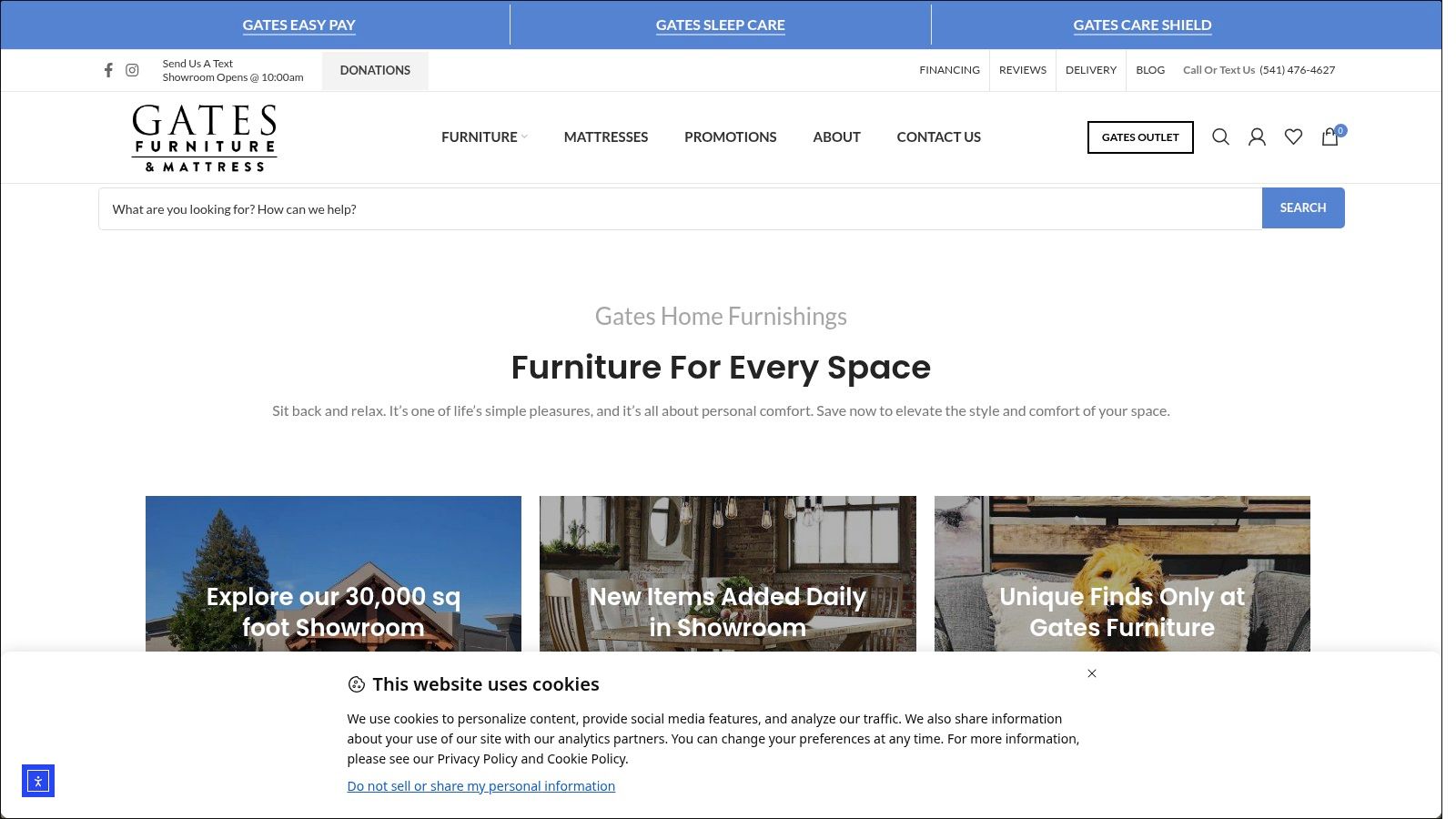
A 30,000-square-foot showroom in Grants Pass gives buyers room to compare sit, scale, and finish in one stop. That's useful because antique chairs aren't all built for the same body or the same table height. A chair that looks charming online may turn out too shallow, too upright, or too fragile once someone sits down.
The Gates Outlet adds another layer because rotating inventory can surface oddball finds and price-point surprises without the pressure of a fixed, one-note selection. The Unique Finds collection also matters here, since reclaimed wood, teak, and one-of-a-kind statement pieces can give a room the same kind of character desired in antique seating. One local option in that mix is Gates Home Furnishings, which also carries chairs and dining-room seating in a family-run setting.
How the buying tools reduce friction
Financing can make sense when a chair becomes part of a larger room plan. Gates Easy Pay offers $0 down, 6-month interest-free options, and no-credit-needed choices, which helps buyers spread out the purchase without shelving the project. That can be especially useful when a chair is being bought alongside a table, rug, or other seating.
Delivery matters too, because antique and heavy wood chairs don't always travel gracefully. Professional assembly, white-glove handling, and mattress haul-away aren't about luxury language, they're about keeping a home setup from turning into a weekend of sore backs and damaged corners. Local pickup still has its place, but the cost has to include risk, packaging, and the effort of getting the piece into the house.
George Gates Jr. founded the business in 1946 on “Service and Value,” and that kind of promise still fits this category well. Antique seating is tactile work, and a local showroom lets a buyer test comfort instead of guessing at it from a screen. Reclaimed wood furniture near me
Frequently Asked Questions Before You Buy
Are antique wood chairs safe for everyday dining or seating?
Sometimes, yes, but only after a careful check. A chair needs tight joints, a sound seat, and no structural cracks before it should be used daily. Age alone doesn't guarantee strength, and an old chair that feels loose on the floor should be treated as a repair candidate, not an instant heirloom to trust.
What should a buyer ask about repair history?
Ask whether the chair has been reglued, refinished, reupholstered, or replaced at the joints or seat supports. Repair history isn't automatically bad, but undisclosed work can change both value and durability. The buyer should also ask for underside photos and close-ups of the joint areas before committing.
How do shipping and local pickup change the cost?
Shipping can raise the total quickly because antique chairs are awkward to pack and easy to damage if they're rushed. Local pickup often cuts some risk, but it still has to be weighed against time, travel, and the ability to inspect the chair in person. A buyer who can touch, sit, and lift the piece before paying usually knows more than one who only sees it boxed.
Should someone buy a single statement chair or a matched set?
That depends on the room and the table. A single chair can work well as an accent, reading chair, or bedroom piece, while a matched set usually makes more sense for a dining space. The better choice is the one that fits the home's use, not the one that sounds more collectible.
For anyone still deciding, the smartest next step is to compare a few chairs side by side in Grants Pass, then see whether one piece or a set serves the room better.
Gates Home Furnishings helps Southern Oregon shoppers sort out real comfort, real quality, and real value without rushing the decision. Visit Gates Home Furnishings to browse current seating, Unique Finds, and flexible buying options, or stop by the Grants Pass showroom to test what fits your home best.