Pillow Top Mattress Pros and Cons Guide for Better Sleep

A mattress can feel wonderfully soft in a showroom, then leave a sleeper wondering at home whether the comfort will last. That uncertainty is at the heart of the pillow top mattress pros and cons discussion. The raised, cushioned surface can ease pressure at bedtime, but the same soft materials may compress sooner than the support core underneath.
For a homeowner in Grants Pass, Medford, Central Point, Ashland, or elsewhere in the Rogue Valley, the right choice depends on more than a plush first impression. Sleep position, preferred temperature, ease of movement, foundation support, and long-term value all matter. Persistent tiredness can also have causes beyond the mattress, so resources about sleep disorders and daily tiredness can help separate a bedding issue from a broader sleep concern.
Since 1946, Gates Home Furnishings has followed George Gates Jr.’s promise of Service and Value. That approach guides the Gates Sleep Care experience, where shoppers can test different feels in the 30,000-square-foot showroom in Grants Pass instead of relying only on labels. Readers considering the relationship between mattress quality and well-being can also explore this guide to investing in a high-quality mattress for long-term health.
Introduction to Pillow Top Comfort and Why It Matters
A pillow top mattress adds a soft comfort layer above the main support system. That layer may make the surface feel cloud-like when a shopper first lies down, especially in a side-sleeping position. Yet softness alone doesn't guarantee proper alignment or lasting performance.
A useful comparison is a well-padded chair. The cushion makes sitting more pleasant, but the frame still determines whether the chair supports the body properly. A pillow top works in much the same way. The upper padding shapes the initial feel, while coils or foam beneath it provide deeper support.
Practical rule: A comfortable surface should cushion the body without allowing the hips and shoulders to sink so far that the spine loses a neutral position.
This balance matters in Southern Oregon homes, where sleepers may want a warm, inviting bedroom but still need a mattress that supports changing positions through the night. A plush surface can be appealing to side sleepers, while a sleeper who prefers a firmer feel may find too much cushioning restrictive. Couples also need to consider whether one partner likes a soft, enveloping bed while the other prefers easier movement.
Testing helps reveal those differences. In a showroom, a shopper can lie in the usual sleep position, remain there long enough to notice pressure, and compare how easily the body rolls from side to side. The same process can expose whether a mattress feels supportive beneath the softness or only sinks around the body.
Pillow tops aren't automatically right or wrong. They're a construction choice with a clear benefit, pressure relief, and a clear area for caution, long-term compression. Understanding the layers, materials, and care requirements makes the decision more practical than choosing by appearance or the word “plush” alone.
What a Pillow Top Mattress Is and How It Is Built
A pillow top mattress is built in layers, much like a winter coat. The outer fabric creates the finished surface, the cushioning acts like insulation, and the mattress core functions like the structure that gives the coat its shape. Each layer affects how the bed feels and performs.
The layers beneath the surface
The main support core usually relies on coils, foam, or a combination of materials. That core carries much of the sleeper's weight and influences bounce, stability, and how quickly the surface responds when someone changes position.
Above it sits the signature pillow top. A typical pillow top adds 2 to 4 inches of cushioning to the top of the mattress, using materials such as foam, latex, wool, or fiber fill, as described in this pillow-top mattress construction guide. The additional layer creates a softer transition between the sleeper and the firmer support beneath.
Why height and stitching matter
Because of that added cushioning, many pillow-top models reach roughly 13 to 15 inches in total height. That can affect fitted-sheet depth, bed-frame proportions, and the ease of getting in and out of bed. A taller mattress may also change how a bedroom looks once paired with a headboard or platform.
The stitched-on appearance distinguishes a pillow top from a tight-top mattress, which has a flatter, more continuous surface. A Euro-top also adds cushioning, but its upper material is generally finished more flush with the mattress edges, creating a cleaner outline. The visible separation on a pillow top contributes to its familiar plush appearance.
Materials create different experiences. Foam may provide closer contouring, latex may feel more responsive, and natural or fiber materials may create a different surface texture. The label alone can't tell a shopper whether the bed will feel gently cushioned or enveloping.
Shoppers can review the pillow-top mattress collection and then compare construction in person. The goal isn't to choose the thickest top. It's to find a layer combination that cushions pressure points while keeping the support core suitable for the sleeper's body and sleep position.
Key Advantages of Pillow Top Mattresses for Comfort and Pressure Relief
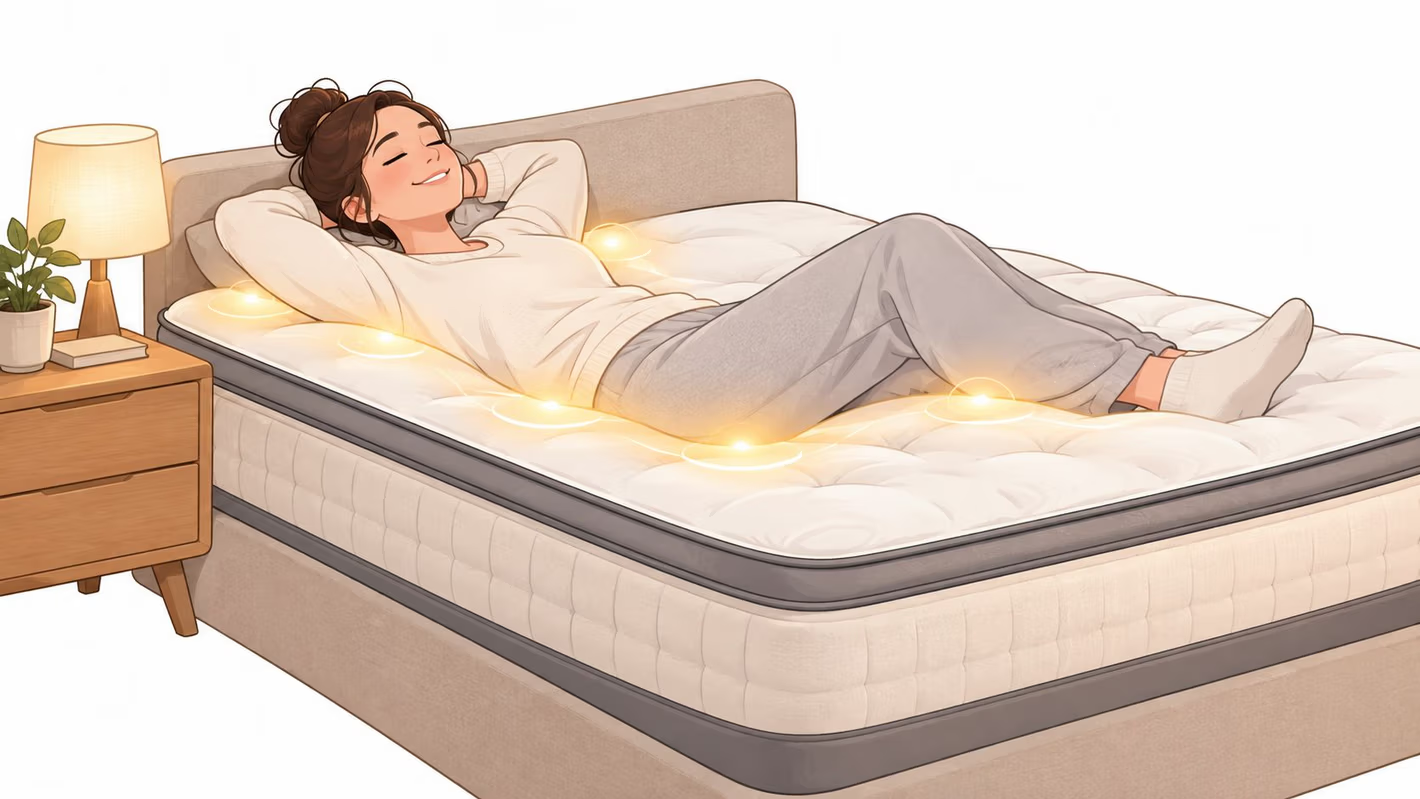
The strongest reason people choose a pillow top is immediate surface comfort. The added layer spreads contact over a broader area, which can reduce sharp pressure at the shoulders and hips for many side sleepers. A well-built pillow top can preserve deeper support from the coil or foam core, provided the base is firm enough to limit excessive sinkage, according to guidance in this mattress guide for pressure relief.
Relief where the body needs it
Side sleepers often notice pressure first at the shoulder and hip because those areas meet the mattress with concentrated force. A softer upper layer allows those areas to settle gradually rather than pressing against a hard, flat surface. That can make turning into a side position feel more natural.
The benefit depends on what sits underneath. If the support core is too soft, the sleeper may sink beyond the cushioning and lose a neutral spinal position. If the core is firm enough, the pillow top can provide a comfortable landing surface without replacing the mattress's structural support.
Who may appreciate the feel
A pillow top may suit:
- Side sleepers: The cushioning can soften contact at the shoulders and hips.
- Plushness seekers: Sleepers who enjoy a hotel-style surface may prefer the immediate softness.
- Lighter sleepers: A softer comfort layer may help prevent a lighter body from feeling as though it rests directly on the support system.
- Couples with different preferences: Some models combine a cushioned surface with a more structured base, which can offer a middle ground.
Motion behavior varies by construction. A deeper comfort layer may absorb some movement, but the actual result depends on the foam, coil design, and firmness below. Couples should test the mattress together when possible. One person can change positions while the other notices whether the movement feels disruptive.
Gates Sleep Care encourages shoppers to test rather than guess. The 30,000-square-foot Grants Pass showroom makes it possible to compare plush, medium, and firmer surfaces in one visit. Brands carried by the store include Beautyrest and Ashley, among other bedroom options, so shoppers can assess how different builds respond to their bodies.
The main advantage is comfort with preserved support, not softness at any cost. A pillow top earns consideration when it relieves pressure while still allowing easy movement and stable alignment.
Potential Drawbacks to Consider Before You Buy
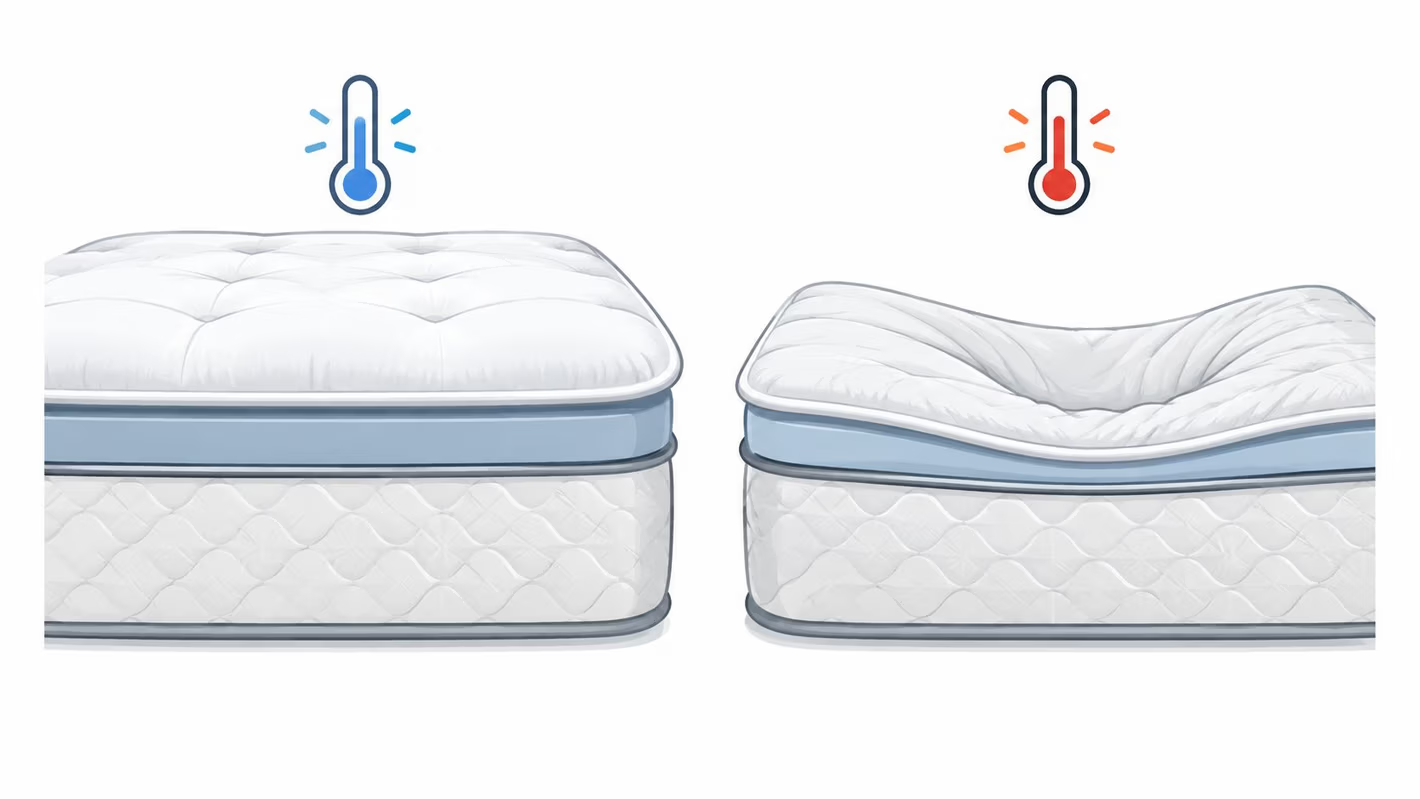
The softer the upper layer, the more carefully durability deserves attention. Pillow-top materials sit directly beneath the sleeper and compress repeatedly in the same areas. The support core may remain structurally sound while the comfort layer develops visible impressions or loses some of its original resilience.
A consumer-research source reports that pillow tops are about 30% more expensive on average than non-pillow-top beds and are at least twice as likely to develop durability, off-gassing, and heat-retention issues. The same source reports that at least 30% of pillow-top owners experience sagging or compression within the first three years, while the comfort layer typically loses its best support within about 2 to 5 years, depending on materials. These figures come from consumer research on pillow-top mattresses.
Compression and body impressions
Thicker, softer layers settle faster than dense support components. Some visible contouring is considered normal for pillow-top designs, and manufacturer guidance cited in industry commentary includes approximately 35 mm of normal contouring for certain pillow-top constructions, as explained in this mattress contouring guidance.
That doesn't mean every impression signals a defect. It does mean shoppers should expect the surface to change with use and should follow the care instructions. A sleeper who wants a consistently flat surface may prefer a tighter construction.
Heat and movement
Extra foam or dense cushioning can retain more warmth than a thinner surface, depending on the materials and ventilation. A sleeper who already tends to feel hot may want to compare temperature behavior directly rather than assuming that every pillow top will feel the same. Guidance on this topic is available in the mattress temperature regulation resource.
Deep contouring can also create a “stuck” feeling. The body may settle into the surface, making it harder to roll, rise, or reposition. That sensation can be especially important for combination sleepers, older adults, or anyone who values a responsive bed.
Cost and upkeep
A pillow top may carry a premium price because it includes more cushioning materials and a more elaborate finish. Gates Easy Pay can help shoppers evaluate that purchase without ignoring the budget, with options including $0 down, 6-month interest-free financing, and no-credit-needed programs, subject to applicable terms.
A mattress should feel inviting on the first night, but its care requirements and likely surface changes belong in the buying decision.
Rotation, a suitable foundation, and a protective cover won't stop all compression, but they can help reduce uneven wear. The buyer should also check the manufacturer's care instructions before using a specific frame or foundation.
How Pillow Top Mattresses Compare to Other Mattress Types
A pillow top is one route to cushioning, not the only route. The most useful comparison asks what the sleeper wants the mattress to do. Someone seeking a raised, sewn-on plush surface may prefer a pillow top, while someone prioritizing a flatter outline, quicker movement, or firmer contact may choose another style.
| Mattress Style | Feel and Best For | Durability and Maintenance | Price and Height Notes |
|---|---|---|---|
| Pillow top | Noticeably plush, often appealing to side sleepers and cushioning seekers | Softer top layers may compress sooner and require rotation | Added cushioning can make the mattress taller and may place it at a premium |
| Euro-top | Cushioned but more flush with the edges, useful for sleepers wanting a neater profile | The integrated finish can feel more stable at the edges | Height varies by construction and materials |
| Tight-top | Flatter, more direct contact, suitable for firmer-feel preferences | Fewer separate upper layers may simplify care | Often has a lower-profile appearance than heavily cushioned designs |
| Hybrid | Combines a spring-based support core with comfort materials | Performance depends on the balance and quality of both systems | Feel and height vary widely by model |
| All-foam | Contouring surface with limited spring response, useful for sleepers who like close body conformity | Foam density and ventilation influence performance and care | Height depends on the foam stack and cover design |
A Euro-top can be a reasonable middle ground for someone who wants cushioning without the pronounced pillow-like profile. A tight-top may suit a back or stomach sleeper who prefers less sinkage. A hybrid can offer a responsive base with a softer upper section, while an all-foam bed may provide closer contouring and quieter movement.
The comparison should include personal mobility. A bed that hugs the body may feel soothing at first but less convenient for someone who changes positions often. Air-based alternatives also require careful consideration of support and alignment, so readers exploring that category can review this air bed spine health advice.
Gates Home Furnishings places different mattress constructions within the same testing environment, helping shoppers from Grants Pass, Medford, Central Point, Ashland, and the broader Rogue Valley compare feel directly. The store's broader Unique Finds, including reclaimed wood and teak pieces, reflect the same preference for distinctive, considered choices rather than one-size-fits-all rooms. For a deeper look at core construction, shoppers can also read about innerspring versus memory foam.
Maintenance Tips to Extend the Life of Your Pillow Top
Pillow tops need practical care because the upper comfort layer receives repeated compression. Small habits can help distribute wear and protect the surface, although no maintenance routine can eliminate normal settling.
Start with the foundation
A suitable foundation supports the mattress evenly across its full surface. Before delivery, the household should confirm that the frame and foundation meet the mattress maker's requirements. Uneven or inadequate support can place extra stress on the comfort layers and change the feel.
A mattress protector is another useful layer of defense. It helps guard against spills, perspiration, and everyday accidents without changing the mattress as dramatically as a thick topper can. The protector should fit securely and remain breathable enough for the sleeper's comfort.
Rotate rather than flip
Most pillow tops are designed for one-sided use, so flipping generally isn't the correct way to manage wear. Rotation moves the head and foot positions, helping prevent one area from carrying the same pressure night after night.
The household should follow the manufacturer's recommended schedule and use two people for a heavy mattress. If moisture reaches the mattress, prompt drying matters. Practical homeowner mattress drying tips can help protect comfort and cleanliness while the mattress airs out.
Protect the sleep environment
The bedroom should have reasonable airflow, particularly after cleaning or whenever moisture is present. Bedding can be removed temporarily to let the surface breathe, but the mattress should never be exposed to conditions that could damage its materials.
Professional setup also matters. Gates White-Glove Delivery includes in-home delivery, assembly, and setup, along with mattress haul-away rather than dropping a box at the door. The Gates Care Shield protection plan is available for coverage related to accidental spills and tears, subject to its terms.
Care won't turn a soft pillow top into a tight-top mattress. It can, however, help the surface settle more evenly and keep the bed feeling more consistent for longer.
Finding Your Perfect Pillow Top Match at Gates Home Furnishings
A pillow top may be a strong match for a side sleeper who wants cushioned shoulders and hips, or for anyone who prefers a soft, welcoming surface. A sleeper who runs hot, moves frequently, or wants a flatter, firmer feel may be happier with another construction. The answer comes from testing the complete mattress, not judging the top layer alone.
A simple showroom test
At the Gates Sleep Care experience, shoppers can:
- Lie in the normal sleep position: Stay long enough to notice pressure at the shoulders, hips, and lower back.
- Change positions: Check whether the body can roll without fighting the mattress.
- Test together: Couples can observe movement and compare each person's comfort.
- Check the edges: Sit near the side and assess how stable the mattress feels.
- Review the foundation: Confirm that the planned bed frame will provide appropriate support.
The Grants Pass showroom gives Southern Oregon shoppers a place to make those comparisons in person. Gates Home Furnishings has served the region since 1946, carrying brands such as La-Z-Boy, Flexsteel, Ashley, and Beautyrest, while also offering distinctive reclaimed wood and teak Unique Finds for the rest of the home.
Flexible purchasing options include Gates Easy Pay with $0 down, 6-month interest-free options, and no-credit-needed financing programs, subject to applicable terms. White-Glove Delivery adds professional assembly, setup, and mattress haul-away, so the new bed arrives ready for use rather than becoming another heavy household project.
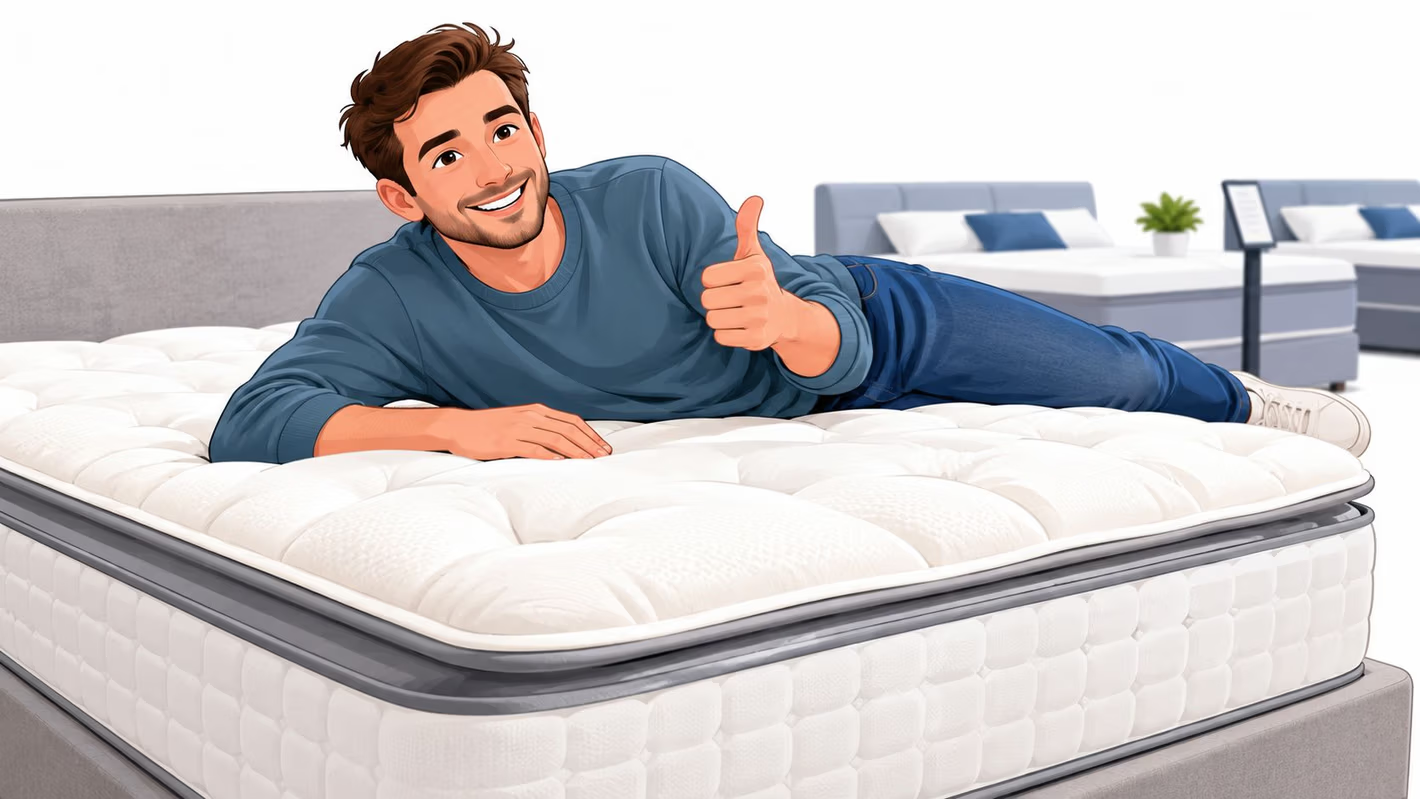
Visit Gates Home Furnishings in Grants Pass to test pillow-top and other mattress styles with personalized Gates Sleep Care guidance. Browse the collection online, ask about Gates Easy Pay and White-Glove Delivery, and choose the comfort level that fits both the sleeper and the Southern Oregon home.