Best Memory Foam Mattresses for Southern Oregon Buyers


A mattress can look inviting in the showroom and still leave someone waking with a sore shoulder, a tight lower back, or the feeling that sleep never settled into place. Southern Oregon sleepers also have to think about warm nights, changing body weight, shared beds, delivery logistics, and whether a budget mattress will keep its shape.
The best memory foam mattresses aren't chosen by softness alone. They're built around foam density, layering, firmness, cooling, edge support, and transparent materials, then matched to the person sleeping on the bed. A local showroom makes that decision easier because shoppers can lie down, change positions, and compare the feel before arranging delivery.
Why Choose Memory Foam Mattresses
A restless night often starts with a mismatch between the body and the mattress. A side sleeper may feel pressure at the shoulder and hip, while a back sleeper may notice that the midsection sinks too much or that the lumbar area lacks steady support. Memory foam addresses those pressure points by responding gradually to warmth and weight, creating a closer cradle than a traditional firm surface.

That contouring can make movement feel quieter and reduce the sensation of a partner shifting nearby. It can also create too much sink or warmth when the construction isn't matched to the sleeper, so the right choice depends on more than a plush first impression.
A practical mattress decision combines foam science with hands-on testing. Density reveals how much material supports the sleeper, the comfort layers influence pressure relief, and the base determines how stable the mattress feels. Cooling materials, cover construction, edge reinforcement, and safety documentation deserve attention, too.
Gates Home Furnishings has served the region since 1946, when George Gates built the business around “Service and Value.” That community-first philosophy still matters for shoppers in Grants Pass, Medford, Central Point, Ashland, and throughout the Rogue Valley. A useful guide should help a household understand the construction, test comfort in person, and choose a payment and delivery arrangement that fits real life.
Understanding Memory Foam Technology
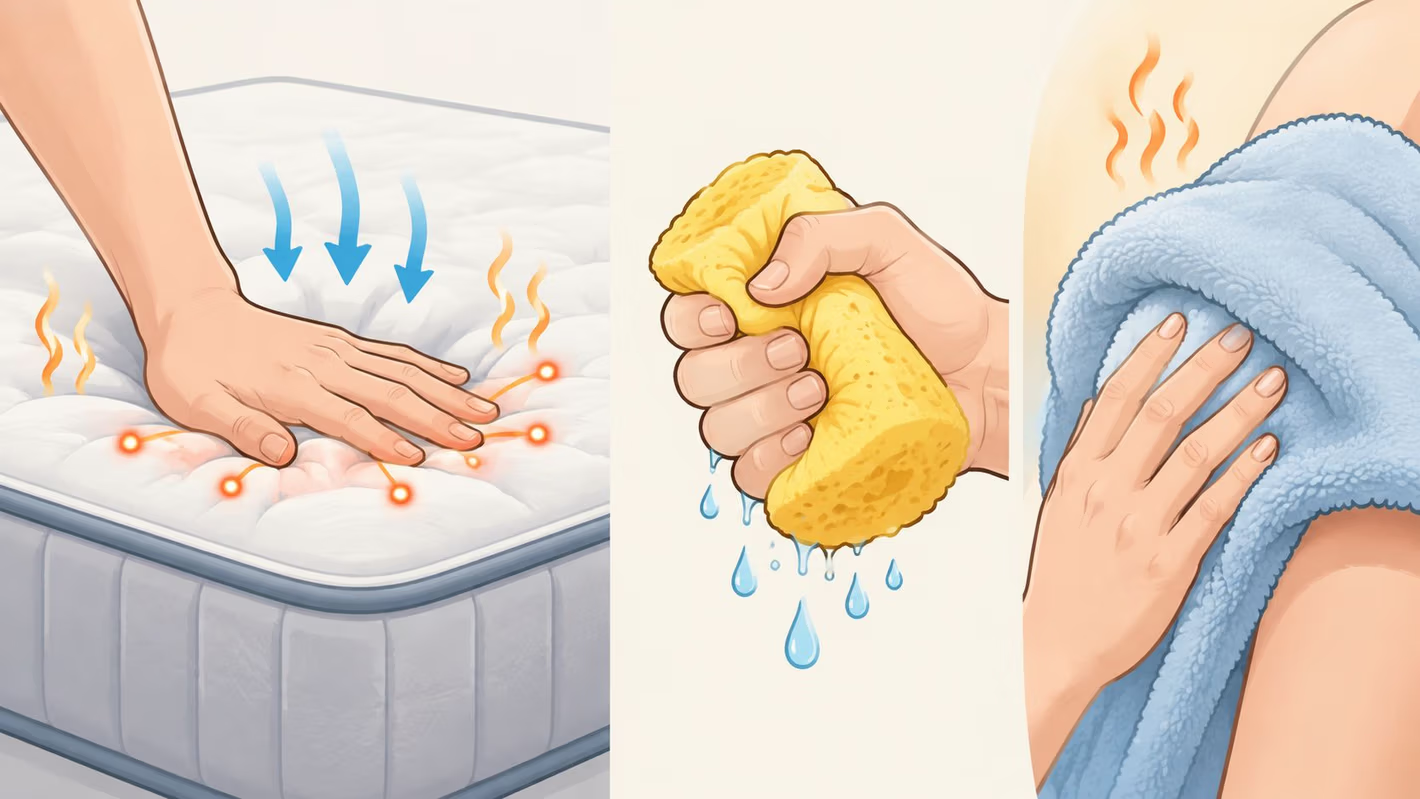
Memory foam is a viscoelastic material, which means it combines slow recovery with flexible movement. A simple comparison is a soft sponge under a warm towel. Pressure changes the shape, warmth makes the material more responsive, and the foam gradually returns after the load is removed.
The process works in a few clear stages:
- Pressure concentrates on the surface. Shoulders, hips, and other heavier areas compress the foam more than lighter areas.
- Body warmth changes the response. The material becomes more willing to conform where heat and pressure meet.
- The foam spreads the load. Instead of placing all the pressure on a small contact point, the mattress creates a broader supporting cradle.
- Recovery happens gradually. When the sleeper changes position, memory foam rebounds more slowly than a highly buoyant spring or latex surface.
That slow response is why memory foam can feel secure rather than bouncy. It's also why some sleepers describe a deep contouring sensation, while others prefer a more responsive construction that makes turning easier.
The material's modern commercial story began with NASA-funded research in 1966, when it was developed as “temper foam” to improve cushioning for test pilots. The first true memory foam mattress reached consumers in 1991, marking the shift from specialized aerospace material to bedroom product. The history is summarized in this overview of memory foam's development.
The same principle applies beyond adult beds. Households comparing foam comfort for pets can consult Nandog Pet Gear's ultimate guide, which offers additional context about how contouring foam is used in pet beds. For a straightforward mattress primer, the memory foam mattress guide explains the basic construction in everyday language.
Key Features to Evaluate in Memory Foam Mattresses
A mattress label rarely tells the whole story. Two beds can both say “memory foam” while differing sharply in density, comfort-layer thickness, support core, cooling design, and edge stability. The most useful comparison looks beneath the cover.
Foam type and construction
Conventional memory foam usually offers the classic slow, contouring feel. Gel-infused foam is designed to address warmth, while open-cell foam uses a more breathable internal structure. These features can help, but they don't replace a sound overall build.
| Foam Type | Density Range | Pros | Cons |
|---|---|---|---|
| Conventional memory foam | Often around 3–5 PCF | Deep contouring, strong pressure distribution, quiet feel | Can retain more warmth and feel slower to move on |
| Gel memory foam | Varies by layer | Familiar contouring with a design aimed at managing heat | Gel alone doesn't guarantee a cool mattress |
| Open-cell memory foam | Varies by layer | May encourage better airflow than traditional foam | Performance still depends on density, cover, and layer thickness |
Density and durability
Density is one of the clearest technical indicators available to shoppers. Typical memory foam falls around 3–5 PCF, with 4–5 PCF generally viewed as a useful target for adult use and 5+ PCF associated with stronger durability and longevity priorities, according to independent mattress longevity guidance.
Higher density means more polymer mass in the same volume. That can help the foam retain support and resist premature softening, particularly in comfort layers compressed night after night. The important detail is to check the density of each foam layer, not just the headline description of the entire mattress.
Firmness, thickness, and support
Firmness describes the immediate feel, not the entire support system. A thick plush layer may create a welcoming surface but allow excessive sink, while a thinner comfort layer over a stable base may feel more balanced. The mattress firmness guide helps shoppers connect surface feel with sleep position and body support.
Edge support matters when someone sits down, gets up, or uses the full sleeping area. Motion isolation matters when partners have different schedules or move frequently. Cooling depends on the interaction of foam density, layer thickness, ventilation, and cover breathability, not on one marketing label.
Practical rule: Compare the construction from the cover down. A comfortable top layer can't fully compensate for an underbuilt support core.
Choosing Memory Foam by Sleep Position and Body Type
Sleep position changes where the mattress must provide cushioning and where it must resist sink. A side sleeper needs enough give beneath the shoulder and hip, a back sleeper needs even support beneath the torso, and a stomach sleeper generally needs a steadier surface that helps prevent the midsection from dropping too far.
Side sleepers
Side sleepers often prefer a softer-to-medium surface with enough contouring to reduce pressure at the shoulder and hip. Very soft foam can allow the pelvis to sink unevenly, though, so the support core still matters. A sleeper who changes positions may prefer moderate contouring rather than the deepest cradle.
Back sleepers
Back sleepers typically need a balanced surface. The mattress should cushion the shoulders and upper back while keeping the pelvis from settling far below the surrounding body. A medium-firm feel often provides that compromise, but the correct choice still depends on body shape and personal comfort.
Stomach sleepers
Stomach sleepers usually need more resistance through the center of the mattress. A firmer build can reduce the sensation of the abdomen sinking, while a modest comfort layer can prevent the surface from feeling uncomfortably hard. Someone who spends part of the night on the side may need a more balanced option rather than the firmest available model.
Body weight and foam density
Body weight changes how much foam compresses and how much structural demand the mattress receives. Wirecutter recommends at least 3 lb/ft³ of memory foam for sleepers under 200 pounds, and at least 4 lb/ft³ for sleepers over 200 pounds, as outlined in its foam mattress guidance.
That guideline isn't a substitute for lying on the bed. A heavier side sleeper may need high-density foam with a cushioning top, while a heavier back or stomach sleeper may prefer denser foam paired with stronger responsive layers beneath it.
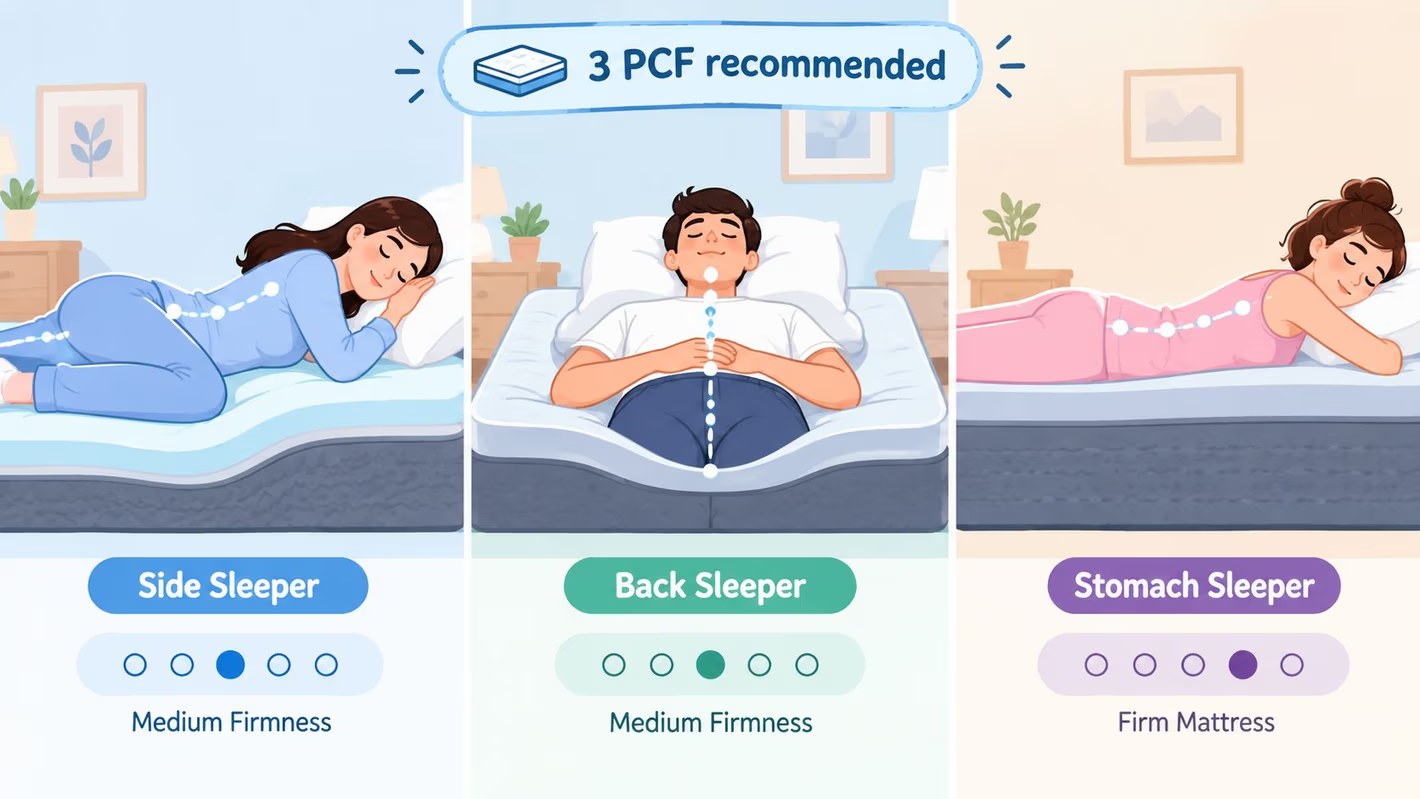
A useful starting point is to identify the dominant sleep position, then check whether the listed foam density suits the sleeper's body weight. The mattress guide for side sleepers offers more position-specific help for shoppers who spend most of the night on one side.
Debunking Common Memory Foam Myths
Myth one, memory foam always sleeps hot
Heat retention is a legitimate tradeoff, but “all memory foam is hot” is too broad. Conventional foam can raise the sleep-surface temperature by about 4–8°F above ambient, according to independent memory foam review guidance. The reason is straightforward. A closely conforming surface increases body contact and limits airflow.
A mattress designed for warm sleepers may use a thinner comfort layer, ventilation, open-cell foam, a breathable cover, or a slightly firmer feel. Shoppers should evaluate the entire build instead of assuming a gel label solves every temperature concern.
Myth two, memory foam feels like quicksand
Some beds do feel slow and enveloping. That doesn't describe every memory foam construction. The amount of sink depends on firmness, layer thickness, density, and the responsiveness of the support layers beneath the comfort foam.
A well-balanced mattress can provide pressure relief without making position changes feel difficult. The best test is to lie in the normal sleep position, roll to another position, and sit up without rushing.
Myth three, memory foam wears out quickly
Density plays a central role in how foam handles repeated compression. Lower-density foam may feel comfortable at first but can lose structural integrity sooner, especially in the layers compressed most often. Buyers concerned about premature sagging should request layer-by-layer specifications and read the warranty conditions carefully.
The warm-weather mattress myth guide adds useful context for separating outdated impressions from current construction details.
Memory Foam Mattress Price Tiers and Value
Price tiers help organize a search, but they shouldn't replace construction checks. A low price can be reasonable when the foam specifications are clear and the mattress fits the sleeper. A higher price should bring meaningful improvements in materials, support, cooling, service, or coverage, not just a more polished name.
Entry-level options under $500
An entry-level bed may suit a guest room, a temporary furnishing need, or a shopper working within a strict budget. The key questions are whether the manufacturer discloses foam density, whether the comfort layer feels supportive rather than merely soft, and whether the cover and fire barrier are clearly documented.
Cooling features may be simpler, and edge support may be less substantial. The mattress should still feel stable when the sleeper turns and sits near the perimeter.
Midrange mattresses from $500 to $1,200
The midrange often offers a more balanced combination of comfort foam and support structure. Shoppers can look for disclosed densities, more deliberate cooling design, a cover that feels breathable, and warranty terms that explain acceptable impressions and support failures.
This tier can work well for a primary bedroom when the mattress matches the sleeper's position and body type. A careful in-store comparison can reveal whether the extra construction quality is noticeable in pressure relief and movement.
Premium builds above $1,200
Premium mattresses may use denser foams, more complex layering, stronger edge reinforcement, upgraded covers, and more detailed material documentation. They should also provide clear information about certification, fire-barrier materials, off-gassing expectations, and warranty coverage.
The value question is simple: does the build solve a real problem for the household? A hotter sleeper may value breathable construction, while a heavier sleeper may prioritize density and a reinforced base. Flexible payment options can make a carefully chosen mattress easier to manage. Retail financing may include promotional structures such as 0% interest periods and no-credit-needed lease-to-own programs, as described in this furniture financing overview.
How to Test Memory Foam Mattresses In Store
Online specifications can't reproduce the feeling of pressure at a shoulder, the ease of rolling over, or the stability of a mattress edge. The 30,000-square-foot Grants Pass showroom gives Southern Oregon shoppers room to compare beds without treating the decision like a quick showroom sit.
Use a deliberate test
Start in the position used most often at home. Stay still long enough to notice pressure building beneath the shoulders, hips, knees, or lower back. Then change positions and sit up, paying attention to whether the foam responds or holds the body in place.
A partner can lie down on the opposite side while the other person turns or rises. This simple test reveals motion transfer more clearly than pressing one hand into the mattress.
Check the perimeter and cover
Sit on the corner and along the side. A supportive edge should feel stable rather than collapsing sharply beneath the body. Run a hand over the cover and ask whether it feels breathable, removable, washable, and securely fitted.
Shoppers should also ask about the foam layers, the support core, fire-barrier materials, certifications, warranty terms, and the recommended foundation. The mattress buying checklist can help organize those questions before a showroom visit.
Gates Sleep Care appointments provide a structured way to discuss sleep position, body type, temperature preferences, and partner needs. The same visit can include questions about special orders, outlet values, and Unique Finds, including reclaimed wood, teak, and one-of-a-kind statement pieces that add character beyond standard bedroom furniture.
Why We Are Southern Oregon Memory Foam Experts
A mattress purchase involves more than choosing a firmness label. It includes construction knowledge, personal testing, payment terms, delivery, setup, and the practical question of what happens to the old mattress. Gates Home Furnishings has served Grants Pass and the broader Rogue Valley since 1946, carrying forward George Gates' original promise of “Service and Value.”
The Gates Sleep Care system gives shoppers a way to connect personal sleep habits with mattress construction. A side sleeper with shoulder pressure needs a different conversation than a back sleeper who wants stronger central support, and a heavier sleeper should receive clear information about density and the support core.
The showroom also carries recognized furniture and mattress brands, including La-Z-Boy, Flexsteel, Ashley, and Beautyrest, alongside memory foam and gel memory foam choices. That range lets a household consider the mattress in the context of the bedroom, rather than treating sleep comfort as an isolated purchase.
Payment and delivery support
Gates Easy Pay includes $0 down, six-month interest-free options, and no-credit-needed programs, subject to applicable terms and approval requirements. Flexible financing can help budget-conscious buyers evaluate the mattress they need instead of selecting only by the lowest immediate price.
Delivery continues the service after checkout. The White-Glove Delivery team provides professional in-home delivery, assembly, and setup, with mattress haul-away available, so customers aren't left managing a heavy boxed bed alone. The Gates Care Shield protection plan is also available for added coverage against accidental spills and tears.
The 30,000-square-foot Grants Pass showroom serves shoppers from Medford, Central Point, Ashland, and communities throughout Southern Oregon. Visitors can test mattresses, discuss special orders, review financing, and explore the store's Unique Finds in one trip.
Gates Home Furnishings offers memory foam mattresses, Gates Sleep Care guidance, Gates Easy Pay with $0 down and no-credit-needed options, and White-Glove Delivery with professional setup and mattress haul-away. Visit Gates Home Furnishings to browse the collection, or make the trip to the Grants Pass showroom and test the comfort in person.