Office Chairs Reviews: Expert Guide to Comfort


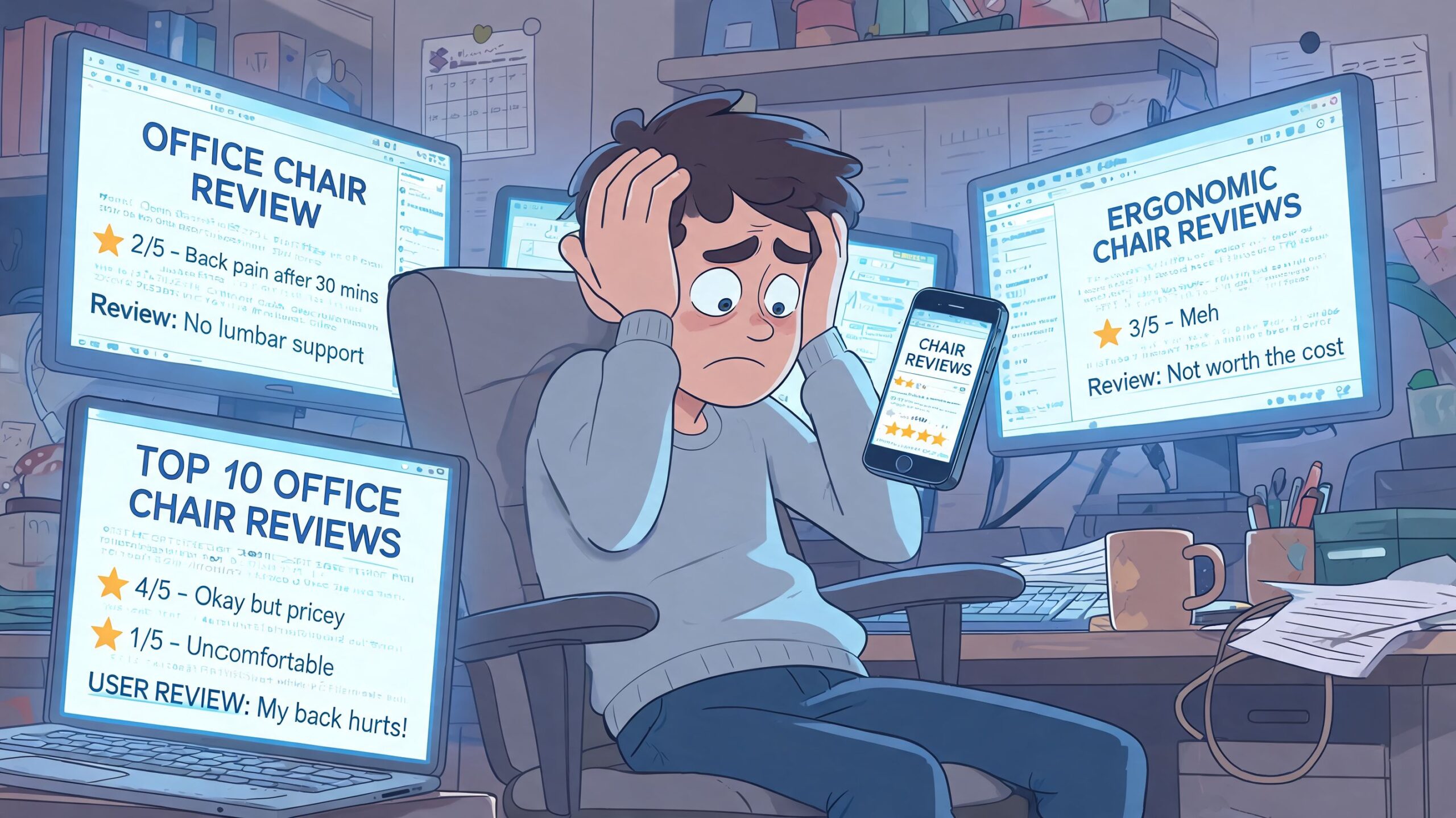
You're probably reading office chairs reviews because your current chair is failing you. Maybe it looked fine online, maybe the price was right, maybe you thought a dining chair and a cushion could get you through a few workdays. Then the hours piled up. Your lower back started complaining, your shoulders followed, and now every review sounds like a mix of marketing and guesswork.
That's where many people in Grants Pass, Medford, and across the Rogue Valley end up. They've got ten browser tabs open, three chairs in a cart, and no confidence that any of them will feel right at hour four of a real workday. We've been helping Southern Oregon families make smart furniture decisions since 1946, when George Gates Jr. built this business on a simple promise of Service and Value. That promise still matters when the product is an office chair.
Finding Comfort in a World of Office Chair Reviews
Office chair shopping has become a research project. Consumer Reports evaluated 16 office chairs priced from $90 to $2,340, which tells you two things right away. First, the range is huge. Second, you can waste a lot of time comparing chairs that were never a real fit for your body or your workday in the first place.
Why reviews help, and why they still fall short
We like office chairs reviews. Good ones can help you rule out junk, spot weak adjustability, and identify chairs built for long sessions instead of quick meetings. If you want another outside perspective while you research, you can compare the best ergonomic chairs for professionals and use it as a cross-check against the review sites already on your list.
But reviews can't tell you whether a lumbar curve hits your back in the right place. They can't tell you if an armrest feels natural for your shoulder width, or if a seat edge presses into the back of your legs after twenty minutes.
That's why we tell people to use reviews as a filter, not as the final answer.
| Review question | What it helps you learn | What it can't confirm |
|---|---|---|
| Is the chair adjustable? | Whether it offers the basics you need | Whether those adjustments fit your body well |
| Is it comfortable? | General feel and support pattern | Whether it stays comfortable for your posture |
| Is it worth the money? | Relative value against similar chairs | Whether you'd still choose it after sitting in it |
| Is it durable? | Build clues from testing and long-term use | How it performs in your exact daily routine |
Start with your body, not the hype
A flashy chair can still be wrong for you. A simpler chair can be the better buy if it supports your back, fits your desk height, and adjusts without a fight.
Practical rule: Don't shop for a chair the way you shop for decor. Shop for fit first, then style.
If back support is your top concern, take a look at our guide to office chairs with lumbar support. It's the kind of starting point that narrows the field fast.
The smartest office chairs reviews do one useful thing. They help you stop chasing “the best chair” and start looking for the right chair.
Decoding the Main Types of Office Chairs
Most shoppers mix up chair categories, and that leads to bad decisions. They buy an executive chair when they need an ergonomic one. They buy a basic task chair for all-day work and wonder why it feels flat and unsupportive by midweek.
According to a 2026 office chair industry report, 92% of users read at least 5 reviews before buying an office chair online. That makes sense. People are trying to match features to a real need, not just a photo.
Ergonomic chairs
Serious work chairs occupy this category. An ergonomic chair is built around adjustment points like seat height, lumbar support, arm positioning, tilt, and often seat depth.
If you work long hours, this is usually the category to start with. Not because it sounds premium, but because it gives you the most control over fit.
Executive chairs
Executive chairs are usually larger, more padded, and often more formal in appearance. They can work well if you want a plush seat and a traditional office look, but padding alone doesn't equal support.
Some executive chairs feel great for short stretches and disappointing later. If you're considering one, pay close attention to whether it adjusts in useful ways.
Task chairs
Task chairs are the simple workhorses. They're usually lighter, more compact, and easier to place in smaller rooms or shared workspaces.
They make sense if your workspace is tight or your sitting sessions are shorter. If your workday runs long, don't assume a task chair will keep up unless it has the right support features.
Big and tall chairs
This category matters more than many reviews admit. If a chair isn't built for your frame, it won't feel stable, and it won't wear well.
Look for wider seats, stronger construction, and a shape that supports you without pinching at the hips or shoulders. A chair that technically holds weight but still fits poorly isn't a smart choice.
A chair category isn't a style label. It's a clue about how the chair is meant to perform.
A quick sorting guide
- For all-day desk work: Start with ergonomic chairs.
- For a classic office look: Consider executive chairs, but verify support.
- For compact rooms: Task chairs often make the most sense.
- For broader frames or more space needs: Go straight to big and tall options.
Caster choice matters too, especially if you're working on hard surfaces or moving around a lot. Our overview of office chairs on wheels can help you think through mobility before you buy.
If you get the category wrong, every review after that becomes less useful. Get the type right first.
Essential Ergonomic Features to Compare
Most office chairs reviews spend too much time talking about looks and not enough time talking about fit. That's backward. The chair's job is to support you through real hours of sitting, not to win a photo contest.
TechGearLab's office chair testing notes that seat and back adjustability are what separate a good value from a premium-priced model. We agree. If a chair doesn't adjust where your body needs it, the upholstery and styling won't save it.
The features that matter most
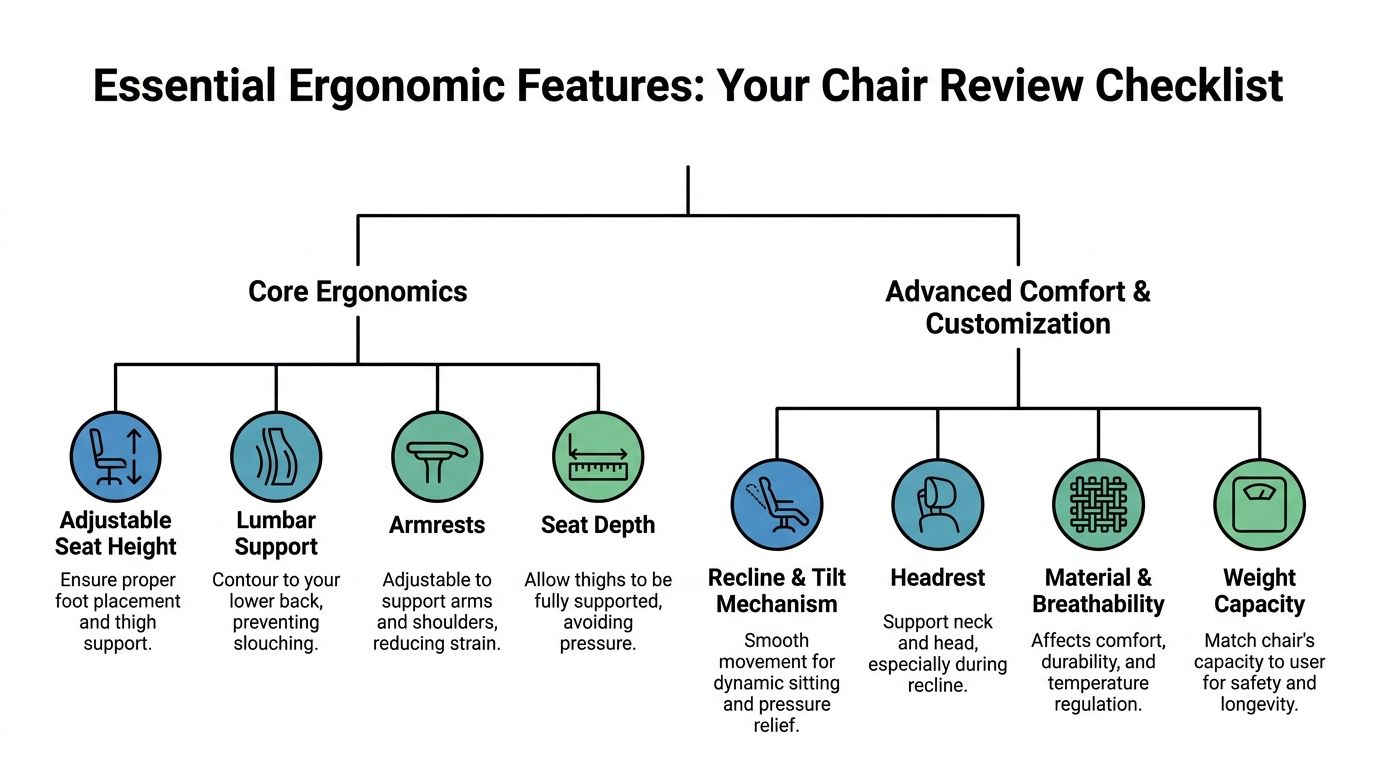
Start with lumbar support. Good lumbar support should meet the curve of your lower back without shoving you forward. If it feels aggressive in the wrong spot, it's not helping.
Next is seat depth. Your thighs need support, but the front edge of the seat shouldn't press hard behind your knees. Too short and you feel perched. Too deep and circulation gets cranky.
Then look at armrests. Cheap chairs often add armrests that look adjustable but don't move enough to matter. Useful armrests help your shoulders relax and keep your elbows in a natural position.
Tilt and recline aren't extras
A chair that moves with you usually feels better over time than one that locks you into a single posture. Recline and tilt help distribute pressure and reduce that stiff, stuck feeling you get after too long in one position.
A smooth mechanism matters more than a long feature list. We'd rather see fewer adjustments that work well than a chair covered in levers that nobody wants to use.
Key Ergonomic Features at a Glance
| Feature | What to Look For | Why It Matters |
|---|---|---|
| Seat height | Easy adjustment that lets feet rest flat | Supports posture and reduces leg strain |
| Lumbar support | Lower-back contour that fits your spine | Helps prevent slouching and back fatigue |
| Armrests | Height or position changes that feel usable | Reduces shoulder and neck tension |
| Seat depth | Enough thigh support without knee pressure | Improves circulation and comfort |
| Recline and tilt | Smooth movement with support | Encourages dynamic sitting |
| Material | Breathable mesh, supportive fabric, or cushioned upholstery | Affects heat, feel, and upkeep |
| Weight capacity | A frame built for the user | Improves safety and long-term durability |
Materials change the experience
Mesh works well for airflow and a lighter feel. Upholstered fabric often gives you a warmer, more cushioned sit. Leather and leather-look styles can suit executive spaces, but they don't automatically mean better support.
If a review talks more about appearance than adjustability, skip it. That review is telling you how the chair photographs, not how it works.
Seat height range matters too, especially for taller users or higher desk setups. If that's your issue, our page on office chairs with high seat height is a useful next stop.
A good ergonomic chair should let you settle in without fighting it. If you have to adapt your body to the chair, it's the wrong chair.
Matching a Chair to Your Specific Needs
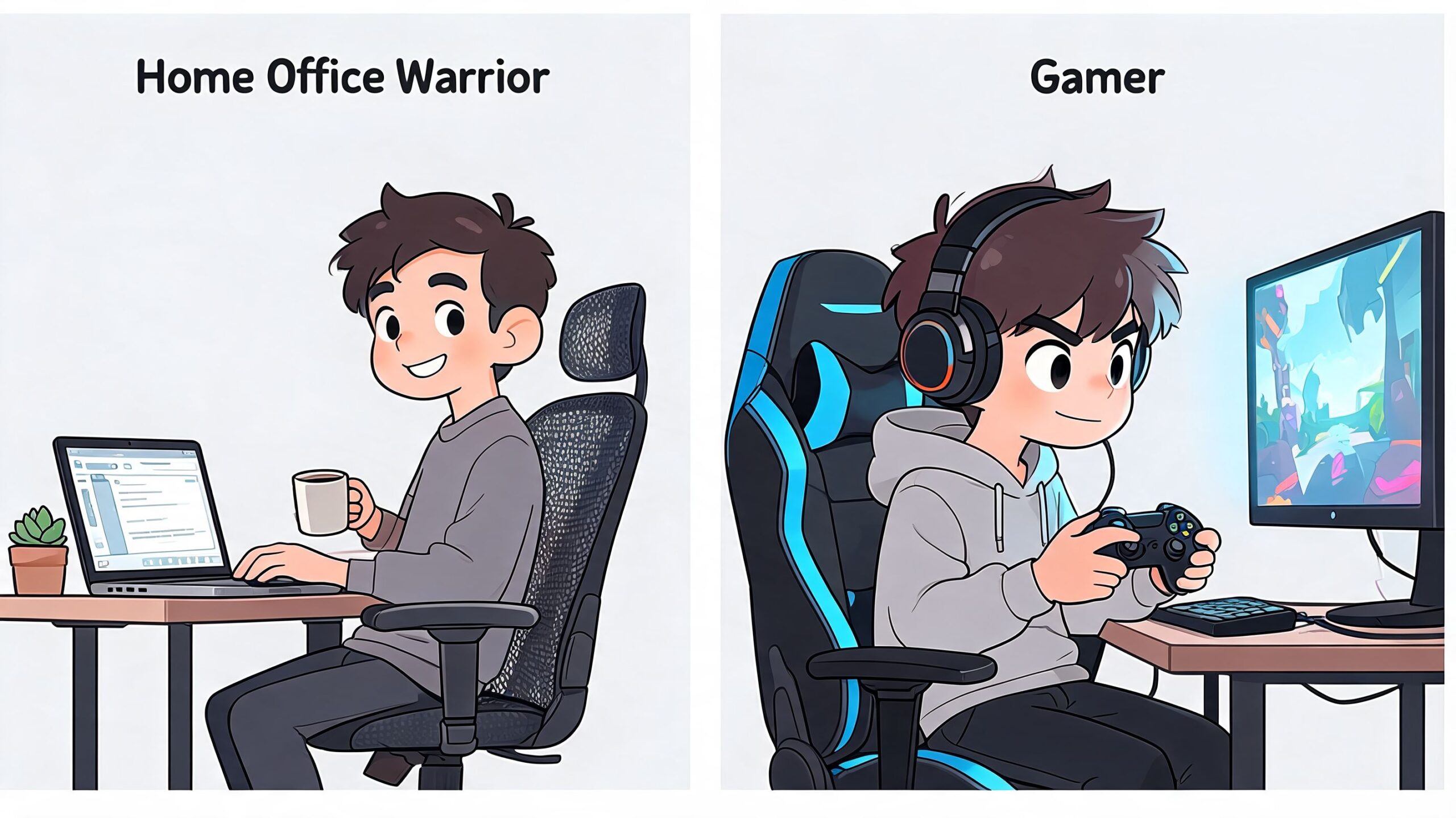
The biggest mistake in office chairs reviews is pretending one chair works for everyone. It doesn't. The right chair for a home office worker can be wrong for a gamer, and the right chair for a senior can be frustrating in a tight apartment workspace.
BTOD's 2026 comfort tier list evaluated 35 office chairs and showed that the “best” choice depends on the use case, including long hours and back-pain relief. That lines up with what we see in-store every day.
For the home office worker
If you're at a desk most of the day, don't compromise on support. Your priorities should be:
- Lumbar fit: It needs to support your lower back without forcing your spine.
- Seat depth adjustment: This matters more than people think.
- Armrest usability: Your shoulders shouldn't carry the load all day.
A plush chair with weak adjustment usually disappoints here. We'd choose a more adjustable ergonomic chair over a softer but less supportive option.
For the gamer
Gamers need movement. Not gimmicks, movement. Recline, arm positioning, and stable support matter more than racing-seat styling.
Look for:
- A responsive tilt mechanism
- Armrests that adapt to different hand and elbow positions
- A headrest only if it supports your posture
A chair can look dramatic and still be lousy for long sessions. Ignore the flash. Focus on contact points.
For seniors
Ease of use matters. So does getting in and out of the chair without wrestling with it.
We usually steer seniors toward chairs with:
- Straightforward height adjustment
- Supportive seat cushioning that doesn't collapse
- A stable base and arms that assist without getting in the way
This is one of those cases where in-person testing matters even more, because a chair that feels “soft” at first can be harder to rise from.
The right chair should fit your routine. A chair that's perfect for one body and one work style can be a poor choice for the next person.
For smaller spaces
A chair can fit your body and still overwhelm your room. In apartments, spare bedrooms, and compact home offices, scale matters.
A smarter small-space choice usually has:
- a narrower footprint,
- a cleaner back profile,
- and controls that don't stick out awkwardly.
If you're building a workspace in a guest room, corner nook, or apartment office, our guide to home office furniture ideas can help you plan the whole setup instead of forcing the chair to solve every problem alone.
Buy for your use pattern, not for a generic “top pick” label. That's how you avoid expensive disappointment.
The In-Store Test Your Back Deserves
Online reviews can narrow the list. They can't replace sitting in the chair. That's the blunt truth.
One of the biggest gaps in modern office chair content is long-term health impact. The review world talks a lot about comfort and not enough about how ergonomic features relate to chronic back and neck strain for people working from home. That gap is exactly why in-person testing matters so much.
Use a real sit test
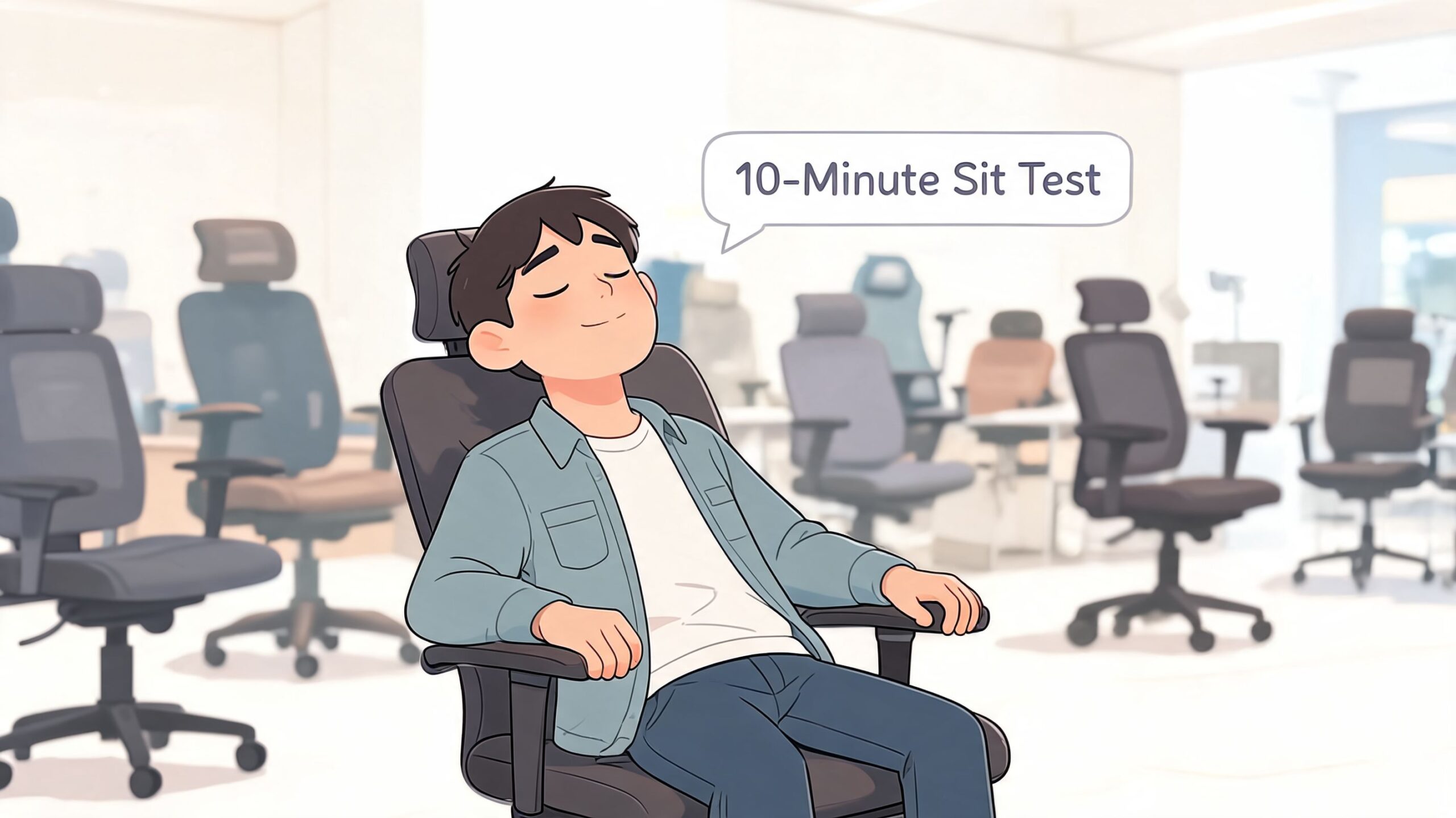
If you're shopping in our 30,000 sq. ft. showroom in Grants Pass, don't do the quick drop-and-stand test. Give the chair a full ten minutes. Adjust it. Lean back. Type on your phone like you would at a desk. Sit still for a minute and notice what your body tells you.
Here's the checklist we recommend:
Set your feet first
Your feet should rest flat. If they don't, the chair starts wrong.Check the lumbar contact
You should feel support in your lower back, not pressure in the middle of it.Test the seat edge
The front shouldn't dig into the back of your legs.Use the armrests
Let your shoulders drop. If they stay tense, the armrests aren't helping.Lean and return
Recline a little, then come back upright. The motion should feel controlled, not stiff or springy.
What online-only shopping misses
A product page can't tell you if a seat foam feels dead after a few minutes. It can't tell you if the back hits your shoulder blades awkwardly. It definitely can't tell you whether your neck relaxes or tightens after a short work session.
That's why sight-unseen chair buying is risky, especially for remote workers and retirees who need support they can trust over time.
Sit in the chair long enough for the first impression to wear off. The real answer usually shows up after that.
If you want a broader framework for evaluating furniture before you commit, our guide on how to shop for furniture smartly lays out the decision process in plain terms.
The chair your back likes in minute ten is usually a safer bet than the one that only impressed you in the first thirty seconds.
Beyond the Chair Itself Purchase and Ownership
You can pick the right chair online, read the reviews, and still end up annoyed if the buying process is a mess. A chair that fits your back but arrives half-assembled, missing parts, or backed by weak service stops feeling like a good purchase pretty fast.
Ownership is where the smart buy proves itself.
Before you commit, ask plain questions that affect daily life, not just the spec sheet:
- How will it arrive? A large office chair in a box can be more work than expected.
- Who puts it together? Good assembly protects the chair and saves you from wobble, stripped bolts, and setup mistakes.
- What does the warranty cover? Look for clear terms on parts, mechanisms, and support after the sale.
- What are the payment options? A better chair often costs more up front, and flexible financing can make the stronger long-term choice easier to buy.
That practical side is one reason local shoppers compare online feedback with what a store can do for them after the sale. Gates Home Furnishings offers in-home delivery, assembly instead of box-drop service, and Gates Easy Pay with $0 down, 6-month interest-free, and no-credit-needed options.
Protection matters too, especially if your chair is heading into storage, a remodel, or a move across town. In those cases, heavy duty plastic furniture protectors can help prevent dust, scuffs, and fabric snags.
Then there's the part online reviews rarely cover well. What happens if something goes wrong? That answer matters. A local showroom gives you a real place to return to, real people to talk to, and a better shot at getting the issue handled without a long string of emails.
If you're already coming in to test office chairs, take a few extra minutes to look at the room as a whole. A comfortable home office usually needs more than one smart decision, and plenty of shoppers end up finishing the space with one of the store's Unique Finds, especially reclaimed wood or teak pieces that add character without making the room feel generic.
Your Local Partner for a Comfortable Workspace
The best office chairs reviews can help you sort the field. They can point out useful adjustments, flag poor value, and steer you away from chairs that look better than they sit. That's helpful. It just isn't the whole job.
The whole job is finding a chair that fits your back, your room, your work habits, and your budget. That takes research, but it also takes real-world testing. It takes sitting down, making adjustments, and paying attention to what your body says after the novelty wears off.
We've believed in Service and Value since George Gates Jr. opened the business in 1946, and that still shapes how we help people shop today. Folks come in from Grants Pass, Medford, Central Point, Ashland, and around Southern Oregon because they want more than a thumbnail image and a pile of mixed reviews. They want clarity.
What we recommend
If you're narrowing the search, keep it simple:
- Choose the right chair category first
- Prioritize adjustability over hype
- Match the chair to your actual use
- Test it in person before you commit
That last step matters most.
A comfortable workspace isn't built by accident. It comes from making fewer guesses and better decisions. And while you're here, you can also browse the rest of the showroom, including trusted brands like La-Z-Boy, Flexsteel, Ashley, and Beautyrest, plus the one-of-a-kind reclaimed wood and teak Unique Finds that make a home feel personal.
If you're ready to move beyond online guessing, visit Gates Home Furnishings and test office chairs in person at our Grants Pass showroom. We'll help you compare comfort, support, fit, delivery options, and financing in a way that makes sense for real life in the Rogue Valley. Or, if you'd rather start from home, browse our collection online and come in when you're ready to sit before you decide.