Sustainable Furniture: Your 2026 Buying Guide


A lot of Southern Oregon homeowners are trying to solve the same puzzle right now. They want a living room that feels warm, grounded, and personal, but they also don't want to fill the house with disposable pieces that look tired too soon. The challenge is that “sustainable” gets used so loosely that it can feel hard to tell what actually matters.
Its importance is frequently overlooked. One industry compilation reports that Americans discard over 12 million tons of furniture and furnishings each year, while only 0.1% of discarded furniture is recycled into new furniture, according to this furniture sustainability industry compilation. For homeowners in Grants Pass, Medford, Ashland, and across the Rogue Valley, that turns furniture buying into more than a style decision. It becomes a durability decision, a materials decision, and a waste decision.
Around Southern Oregon, that often connects naturally with the kind of homes people want anyway. Wood tones, natural texture, fewer throwaway purchases, and a stronger connection to the outdoors all fit beautifully with ideas like biophilic home decor. Homeowners building or remodeling can also find useful ideas in this Middle Tennessee sustainable luxury guide, especially when furniture choices need to align with larger home design decisions.
Table of Contents
- A Beautiful Home That Aligns With Your Values
- What Truly Makes Furniture Sustainable
- Sustainable Materials You Can Find In Our Showroom
- Decoding Sustainability Labels and Certifications
- The Benefits for Your Home and Health
- Your Practical Guide to Buying Sustainable Furniture
- Caring for Your Furniture for a Lifetime of Use
A Beautiful Home That Aligns With Your Values
For many families in Southern Oregon, the goal isn't to create a showroom-perfect house. It's to build a home that feels settled. A dining table that can handle weeknight meals and holiday gatherings. A bedroom that feels calm. A sofa that still looks good after real life happens on it.
That's where sustainable furniture becomes practical instead of abstract. The best pieces don't just check a “green” box. They reduce waste by staying useful, staying comfortable, and staying worth keeping. In a region where people value craftsmanship, outdoor beauty, and common sense, that approach tends to make more sense than trend-driven buying.
Sustainable furniture should make daily life easier, not more complicated.
The strongest choices usually share a few traits. They're made from durable materials. They're built to be repaired or maintained. They still look right in the room years later, which matters more than people sometimes expect.
There's also a values piece to it. Southern Oregon homeowners often want purchases that feel more intentional. That doesn't mean every piece has to be rustic, reclaimed, or premium. It means the home is furnished with more thought and less waste.
What Truly Makes Furniture Sustainable
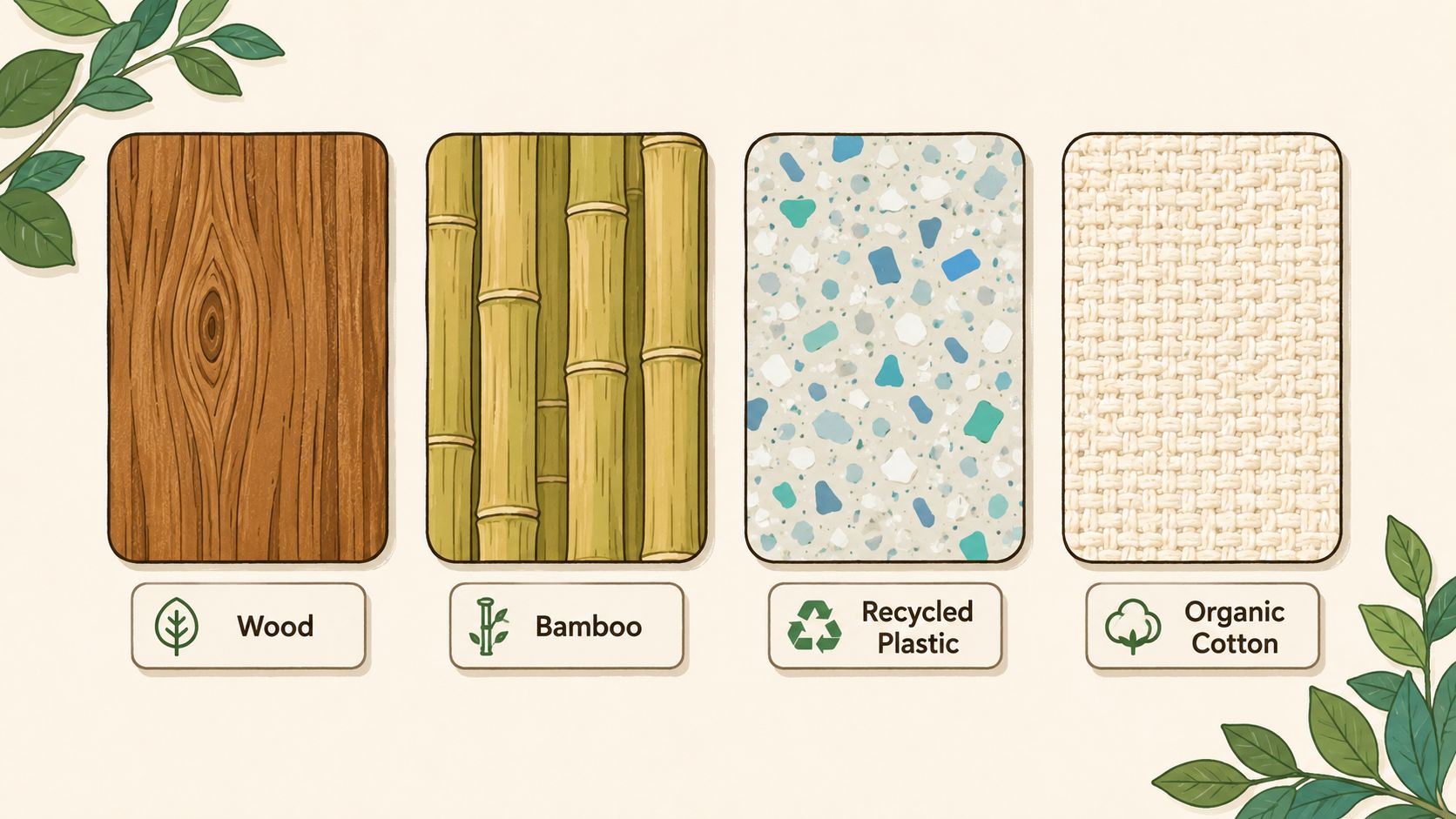
The biggest mistake shoppers make is treating sustainability like a single feature. Recycled content sounds good. Natural wood sounds good. Low-tox finishes sound good. But one positive attribute doesn't automatically make a piece a good long-term choice.
The full life cycle matters
Furniture has a life story. It starts with material extraction and sourcing, moves through manufacturing and shipping, then continues through years of use, maintenance, repair, and eventual reuse or disposal. Procurement guidance recommends looking at material sourcing, manufacturing energy, shipping, repairability, and end-of-life recovery, and specifically recommends Environmental Product Declarations, or EPDs, because they disclose impacts across the product life cycle in a third-party verified format, as explained in this sustainable furniture specification guide.
That broad view changes how a piece should be judged. A chair made with a recycled component might sound impressive, but if it loosens quickly, can't be repaired, and gets tossed out, it wasn't a strong sustainability choice. A well-built wood piece with replaceable parts and a long useful life can be the better option.
Research published in 2024 found that the pre-production stage is the largest source of environmental impact for furniture, accounting for an average of 76% of total impact in the study, which means material selection is the most critical factor, according to this 2024 furniture life-cycle study.
A simple way to judge a piece
A helpful comparison is a solid kitchen tool versus a flimsy one. The good tool costs more up front, but it works better, lasts longer, and doesn't need to be replaced every year. Furniture works the same way.
For shoppers trying to decide between construction types, this solid wood vs veneer guide helps clarify where each option can make sense.
A practical sustainability check looks like this:
- Start with the core material. Wood, metal, upholstery, and foam choices all affect longevity and maintenance.
- Check the build quality. Joinery, frame stability, cushion support, and replaceable components matter more than marketing language.
- Think past delivery day. Ask whether the piece can still serve the room after years of daily use.
Practical rule: If a piece is hard to repair, uncomfortable after short use, or unlikely to survive a move, it probably isn't sustainable furniture, no matter how it's labeled.
Sustainable Materials You Can Find In Our Showroom

Material choice shapes how a piece looks, how it ages, and whether it still belongs in the home years from now. That's why this part of the shopping process deserves more attention than color alone.
Reclaimed wood with real staying power
Reclaimed wood appeals to many Southern Oregon homeowners because it brings character without feeling overly polished. Grain variation, old saw marks, color shifts, and surface texture give each piece a sense of history that new mass-produced furniture often lacks.
That character also supports sustainability in a direct way. Existing wood gets another useful life instead of being discarded. When reclaimed pieces are well built, they often become the furniture people keep the longest.
For shoppers who want to see how these pieces look in real rooms, this reclaimed wood furniture near me collection is a strong starting point.
A few signs reclaimed wood is worth buying:
- Stable construction. The beauty of old wood doesn't matter if the piece wobbles.
- Thoughtful finishing. A finish should protect the surface without hiding the grain and natural variation.
- Timeless scale. Simpler silhouettes tend to age better than novelty-driven designs.
Teak and other responsibly sourced woods
Wood remains one of the most practical categories for sustainable furniture when it's sourced responsibly and built well. For wood products, FSC certification is repeatedly recommended because it ensures traceable fiber sourcing. Procurement guidance also notes that FSC-certified Grade-A teak is valued for premium outdoor furniture because it can last 25–75 years with minimal maintenance, making long service life one of its strongest sustainability advantages, according to this University of Pennsylvania sustainable furniture guidance.
That point is easy to miss. People often focus on whether a wood species sounds eco-friendly, but the better question is whether the piece will still be useful and attractive far into the future.
For homeowners thinking about furniture as part of a broader home material palette, this overview of sustainable building materials for Vancouver homes offers a useful parallel way to think about durability, natural materials, and long-term value.
Metal and recycled-content pieces
Metal can also be a smart material when used well. It's durable, structurally reliable, and often works beautifully in mixed-material designs such as wood-and-metal dining tables or accent pieces.
Recycled-content materials can be a plus too, especially when they're part of a piece that's sturdy and repairable. But shoppers need to be disciplined. Recycled content alone doesn't rescue poor construction.
A quick comparison helps:
| Material choice | Usually works best when | Watch out for |
|---|---|---|
| Reclaimed wood | The piece is structurally solid and the design lets the material's character lead | Thin tops, weak joinery, or finishes that feel overly fragile |
| FSC-certified wood | The maker combines traceable sourcing with durable construction | Marketing that mentions wood sourcing but says little about build quality |
| Teak | Outdoor or high-wear use where longevity matters most | Paying for the name without checking grade and craftsmanship |
| Metal or recycled-content blends | Frames and surfaces are substantial and easy to maintain | Lightweight construction that dents, flexes, or feels temporary |
Good sustainable furniture usually feels substantial before anyone even asks about the label.
Decoding Sustainability Labels and Certifications

Labels can help, but only when shoppers know what they're looking at. Without that context, certifications turn into alphabet soup and the buying decision gets harder instead of easier.
What the most useful labels tell you
Some certifications focus on indoor air quality and VOC emissions. Others focus on recycled content, biobased materials, or broader sustainability criteria. Procurement benchmarks used by major buyers cite standards such as SCS Indoor Advantage Gold and UL GREENGUARD for indoor air quality, Global Recycled Standard for recycled content, USDA BioPreferred for biobased materials, and guidance that prefers BIFMA Level certification with stronger preference for higher levels, according to the earlier University of Pennsylvania guidance already referenced above.
For everyday shoppers, the value is simple. A label can confirm that a manufacturer submitted a product to outside review instead of relying only on self-description.
Useful labels generally answer one of these questions:
- What's in it. This covers material content and sourcing.
- What comes off it. This matters for finishes, adhesives, and indoor air.
- How was it evaluated. Third-party review carries more weight than brand language alone.
A related reference that's worth reading for outdoor buyers is this piece on Chairs and Tables sustainable garden furniture, especially for understanding why teak quality and responsible sourcing matter together.
Why EPDs matter more than buzzwords
An EPD is often more useful than a vague “eco-friendly” claim because it points to a product's broader environmental footprint instead of one attractive detail. That matters because furniture performance is cumulative. Sourcing, production, transport, maintenance, and end-of-life all count.
Some labels tell shoppers one thing. Better documentation tells them how the whole product behaves.
This is also where trade-offs become clearer. A low-emission finish is valuable. So is recycled content. But neither one cancels out short service life or poor repairability. The smartest shoppers treat certifications as evidence, not as shortcuts.
One practical way to read labels is to stack them mentally:
- First layer. Is the material responsibly sourced?
- Second layer. Is the piece low-emission and appropriate for indoor use?
- Third layer. Is it built to stay in service instead of heading quickly toward disposal?
That's the difference between furniture that only sounds sustainable and furniture that actually earns the term.
The Benefits for Your Home and Health
Sustainable furniture isn't only about environmental responsibility. In daily life, the benefits show up much closer to home.
Cleaner indoor comfort
Lower-emission materials and finishes can support better indoor air quality, especially in bedrooms, living rooms, and other spaces where families spend the most time. That's one reason low-VOC standards and indoor air quality certifications matter. They speak to the lived experience of the home, not just to a checklist.
This can be especially meaningful in tightly closed homes during smoky wildfire periods or colder months in Southern Oregon, when windows stay shut more often and indoor comfort becomes a bigger priority.
A home with more character
Well-chosen sustainable furniture often looks better because it's made from materials people naturally respond to. Real wood grain, tactile upholstery, visible craftsmanship, and one-of-a-kind reclaimed surfaces tend to create rooms with more depth and less sameness.
There's also emotional durability. A piece with story, texture, and quality is less likely to feel disposable when trends shift. People maintain it, move it, and repurpose it because it still feels worth having.
That's one of the most overlooked benefits in furniture buying. Sustainability isn't just about reducing harm. It often leads to a home that feels warmer, healthier, and more personal.
Your Practical Guide to Buying Sustainable Furniture
Buying well starts with slowing down enough to inspect the piece instead of buying the story around it. Marketing tends to spotlight a recycled fabric, a natural finish, or a rustic look. Those details can matter, but they shouldn't be the deciding factor on their own.
A stronger approach is to shop with a set of questions. This guide to shopping for furniture smartly is useful for organizing that process before anyone heads into a store.
Questions worth asking on the showroom floor
The best questions are plain and direct.
- What is the frame or core structure made from. Surface material matters, but the hidden structure often determines whether the piece lasts.
- Can parts be repaired or replaced. Cushions, covers, hardware, and support systems should not feel disposable.
- What finish or treatment is used. This helps buyers think about maintenance, indoor air, and long-term wear.
- Does the piece feel solid under normal use. Sit on it, open it, lean on it, and check for movement.
- Will this still fit the home if the room changes. Versatility often extends useful life.
If a shopper can't get a clear answer about materials or serviceability, that uncertainty is part of the product evaluation.
What works and what usually disappoints
A common problem in this category is furniture that looks sustainable because it uses rustic styling cues or earthy language, but the construction doesn't hold up. Guidance on eco-friendly furniture makes a key point here. Furniture is only sustainable if it is high-quality and does not end up in a landfill, which makes durability and serviceability more important than green labels alone, as explained in this eco-friendly furniture durability guide.
What tends to work:
- Solid-feeling frames
- Classic silhouettes that won't date quickly
- Materials that improve with wear instead of breaking down from it
- Designs that allow cleaning, maintenance, or part replacement
What often disappoints:
- Thin construction hidden under trendy finishes
- Loose cushions or weak joinery from day one
- Pieces chosen only because they're inexpensive
- Furniture that arrives in a way that makes damage or poor assembly more likely
Why testing in person still matters
Comfort and quality are hard to judge from a product photo. A sofa can look beautiful online and still feel wrong within minutes of sitting on it. A dining chair can look substantial and still rack side to side when handled.
That's why in-person testing matters so much for sustainable furniture. Shoppers from Grants Pass, Medford, Central Point, and Ashland are often better served when they can walk a full showroom, compare materials side by side, and feel the difference between a temporary piece and one built for daily use.
It also helps with budgeting decisions. A better-made piece may cost more up front, but flexible options such as $0 down, 6-month interest-free, and no-credit-needed financing can make long-term value more attainable without pushing buyers toward the least durable option. The same goes for professionally assembled delivery instead of boxed drop-off, especially for larger items where setup affects performance from the start.
For shoppers who want something more distinctive than the usual mass-market look, reclaimed wood, teak, and other one-of-a-kind pieces often make the best sustainability case because they combine durability with a style people don't get tired of quickly.
Caring for Your Furniture for a Lifetime of Use
Sustainability doesn't end at purchase. The most responsible furniture is often the furniture that gets maintained, repaired, and kept in use for a long time.
Simple habits that protect quality
Wood furniture benefits from consistent care. Dusting with a soft cloth, using coasters, protecting surfaces from excessive heat, and keeping pieces away from harsh moisture swings all help preserve finish and structure. Upholstered seating lasts longer when cushions are rotated and spills are handled promptly.
For practical upkeep advice, this wood furniture care guide covers the basics homeowners can use right away.
A few habits make a real difference:
- Protect surfaces early. Prevention is easier than repair.
- Handle small problems quickly. A loose fastener or dry wood finish won't improve on its own.
- Clean for the material. Wood, fabric, leather, and metal all need different care.
- Move furniture correctly. Lifting instead of dragging protects joints and legs.
Service is part of sustainability
Professional delivery and assembly deserve more credit in this conversation. Furniture that's assembled correctly starts its life with better structural integrity, fewer stress points, and less chance of damage from rushed setup. White-glove service also helps keep bulky packaging and awkward installation from becoming the customer's problem.
Responsible haul-away matters too, especially with mattresses and older pieces that need proper handling instead of being left curbside. That service side of the purchase reflects the same principle as the product side. Sustainability works best when the piece is treated like something meant to stay useful.
That idea lines up closely with a family-owned furniture philosophy that has mattered in Southern Oregon since 1946. George Gates Jr. built his business on Service and Value, and that promise still fits this category better than any trend label ever could.
For homeowners across Grants Pass, Medford, Ashland, Central Point, and the wider Rogue Valley, Gates Home Furnishings offers a practical way to shop for sustainable furniture in person. Visit the 30,000 sq. ft. Grants Pass showroom to test comfort, compare materials, and explore distinctive reclaimed wood, teak, and other Unique Finds alongside trusted brands like La-Z-Boy, Flexsteel, Ashley, and Beautyrest. Flexible Gates Easy Pay options include $0 down, 6-month interest-free, and no-credit-needed financing, and white-glove delivery includes professional assembly instead of box drop-off, plus mattress haul-away. Browse the collection online or stop by the showroom and experience the Service and Value tradition that's guided the business since 1946.