How to Make Bed Comfortable: A 2026 Guide


You know the feeling. A bed looks inviting, then morning arrives and the same bed leaves someone stiff, sweaty, or oddly restless. Comfort is rarely one single problem, because the sleep surface, the support under it, the bedding on top, and the room itself all work together.
That's why a practical answer to how to make bed comfortable starts with the whole setup, not just the mattress. At Gates Home Furnishings, we've spent decades helping families across Grants Pass and the Rogue Valley sort out sleep issues layer by layer, and our company philosophy still reflects George Gates' original promise of “Service and Value” from Est. 1946. If a deeper rest routine is part of the goal, a useful companion read is boost your deep sleep naturally, because comfort and sleep quality usually improve together when the environment is right.
The Morning Wake-Up That Changed Everything
A tired back, a hot pillow, or a bed that feels fine for ten minutes and wrong by 2 a.m. usually points to a system problem. One local customer can think the mattress is the culprit, but the true issue might be a warm room, a sagging base, or a top layer that's bunching under the body. That's the part many people miss, comfort is about the whole sleep environment, not just the surface.
The Sleep Foundation notes that the ideal bedroom temperature is commonly cited as 65°F (18.3°C), sleep quality can worsen when temperatures fall below 68°F or rise above 77°F, and one study it summarized found sleep efficiency dropped by 5% to 10% when bedrooms reached 86°F (Sleep Foundation). That gives us a useful starting point. If the room is too warm, even a good mattress can feel wrong.
Practical rule: if a bed feels uncomfortable in summer but fine in winter, the mattress may not be the main problem.
For families in Grants Pass, Medford, Central Point, Ashland, and the broader Southern Oregon area, that matters because seasonal temperature swings are part of everyday life. Older homes, upstairs bedrooms, and apartments can drift outside the comfort band more easily than people expect. Good sleep often starts by matching the bed to the room, then tuning everything else around it.
Start With the Foundation Your Bed Actually Sleeps On
A bed can't feel stable if the support underneath is weak, uneven, or worn out. That's why the foundation comes before the mattress conversation. If the base flexes in the wrong places, the sleep surface will follow that movement, and the whole bed can feel softer, noisier, or less supportive than it should.
Here's the simplest way to check it:
- Inspect the frame first: look for wobble, loosened joints, or visible sagging.
- Check the slats: if they're spaced more than three inches apart, that gap can contribute to sagging over time.
- Confirm the surface is level: a platform bed should sit flat, not tip or dip.
- Look at the box spring, if there is one: if it's damaged or tired, the mattress will usually feel tired too.
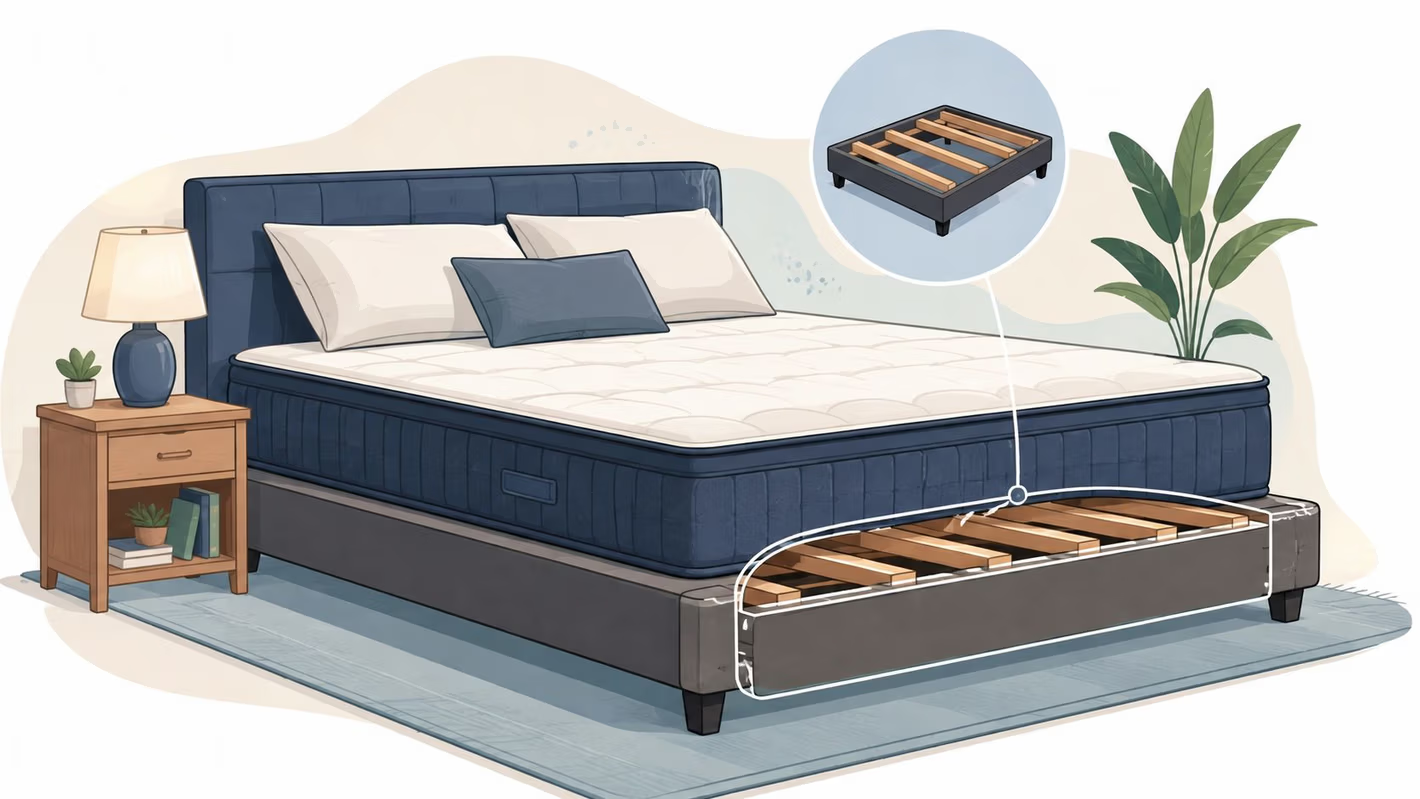
A lot of people blame the mattress when the base is doing the damage. That mistake shows up as premature sagging, uneven pressure, or a bed that never feels fully settled. If the foundation is the weak link, a new mattress can only do so much.
For local shoppers, a real test drive helps. Our 30,000-square-foot showroom in Grants Pass gives people a chance to feel different bases with mattresses from brands such as Beautyrest, Ashley, and Flexsteel in person. If the question is whether a box spring still makes sense for a particular setup, the detailed breakdown at why you really do need a box spring for your bed is a useful place to compare support options before buying.
Flexible setup support matters too. Gates Easy Pay offers options such as $0 down, 6-month interest-free, and no-credit-needed choices, and white-glove delivery means the crew doesn't just drop boxes at the door. They handle assembly and mattress haul-away, which removes a lot of the stress from a bed upgrade.
Upgrade Your Mattress Surface With the Right Topper
Sometimes the mattress is structurally fine, but the surface still feels off. Maybe it's too firm for a side sleeper, maybe it has a few uneven spots, or maybe it needs a little extra cushioning without replacing the whole bed. A topper can change the feel of the bed in a very targeted way.
The main question is what kind of comfort problem needs solving. Some toppers soften pressure points, some add bounce, and some help with airflow. The right choice depends on how someone sleeps and what part of the bed feels wrong.
| Mattress Topper Materials at a Glance | Best For | Feel | Maintenance |
|---|---|---|---|
| Memory foam | Pressure relief, side sleepers | Contouring, cushioned | Moderate, can retain heat |
| Latex | Hot sleepers, people who want more lift | Bouncier, responsive | Easier than plush fills |
| Feather and down | A softer, hotel-style feel | Cloudlike, luxurious | More upkeep, needs fluffing |
| Hybrid toppers | Mixed comfort needs | Balanced support and softness | Varies by construction |
For a broader look at pressure-relief styles, DME Superstore's pressure relief guide can help readers think through surface feel in a more structured way. The key is not to overcorrect. Too many thick layers can trap heat and make the bed feel unstable, which defeats the whole point.
A topper should solve a comfort problem, not create a new one.
The same idea applies to the bedding sold through Gates Home Furnishings, where the mattress, bedding, and room setup can be coordinated together. The store's Unique Finds, including reclaimed wood and teak pieces, also give bedroom spaces more character without turning them into showroom copies. For shoppers who want a budget-friendlier path, the Gates Outlet's clearance and special value items change often, so there's room to improve comfort without forcing a full bedroom overhaul.
For bedding pieces that sit directly above the topper, the guide at complete guide bedding mattress protectors comforters is worth a look because the layers on top have to work together.
Choose Sheets and Bedding That Actually Improve Comfort
The layer closest to skin matters more than you might realize. If sheets hold heat, feel rough, or trap moisture, the bed can seem uncomfortable even when the mattress is doing its job. Cotton and linen stay popular for a reason, they breathe well and feel pleasant against the body.
WebMD recommends cotton or linen sheets with a thread count between 200 and 400, and it also says sheets should be washed at least once a week. The same guidance suggests medium or low heat when drying and skipping fabric softener so the fabric lasts longer and keeps breathing well (WebMD). That's a sensible target for most bedrooms because it balances softness and airflow without going so dense that the bed traps heat.
For Southern Oregon homes, bedding also has to match the season. A warmer comforter or duvet can make sense when the weather turns cool, while lighter covers are easier to live with in warmer months. If someone sleeps hot, the room and bedding need to work together instead of fighting each other.
A straightforward approach is to consider:
- Choose breathable sheets: cotton or linen keep the bed from feeling heavy.
- Match the warmth level: use the fill weight that fits the room, not just the calendar.
- Keep the top sheet in play: it can help fine-tune comfort without changing the whole blanket stack.
- Wash on a regular cycle: clean bedding usually feels fresher and less clingy.
The practical value of this approach is that it makes temperature control easier. Instead of ripping off the whole bed in the middle of the night, a sleeper can adjust one layer at a time. For people in Grants Pass and nearby communities, that flexibility matters because evening temperatures can change quickly between seasons.
If thread count still feels confusing, the deeper sheet guide at sheet thread count helps simplify the range without turning the decision into guesswork.
Layer Your Pillows for the Sleep Position You Actually Use
Pillows are personal, and that's exactly why they cause so much confusion. The right pillow isn't just about softness, it has to support the neck and keep the body aligned in the position someone sleeps in. One pillow that feels fine for reading may be wrong for sleeping, and that's normal.
Match the pillow to the sleeper
- Back sleepers: a medium-loft pillow usually keeps the neck lined up with the spine.
- Side sleepers: a thicker, firmer pillow fills the gap between the ear and the mattress.
- Stomach sleepers: a low-profile, soft pillow helps reduce neck strain.
- Combination sleepers: a flexible setup often works better than one oversized pillow.
Some people also benefit from a small pillow under the knees or lower back, especially if they need extra support while resting upright or settling into bed. That kind of comfort is different from decorative styling, and it's one reason a bed should be treated like a support system rather than a display.
For styling, the visual formula can stay simple. Euro pillows at the back against the headboard create height, two standard decorative pillows in front add structure, and a smaller accent pillow finishes the look. Another option is to skip the shams and place two 20-inch pillows in front of the Euros with the accent pillow on top.
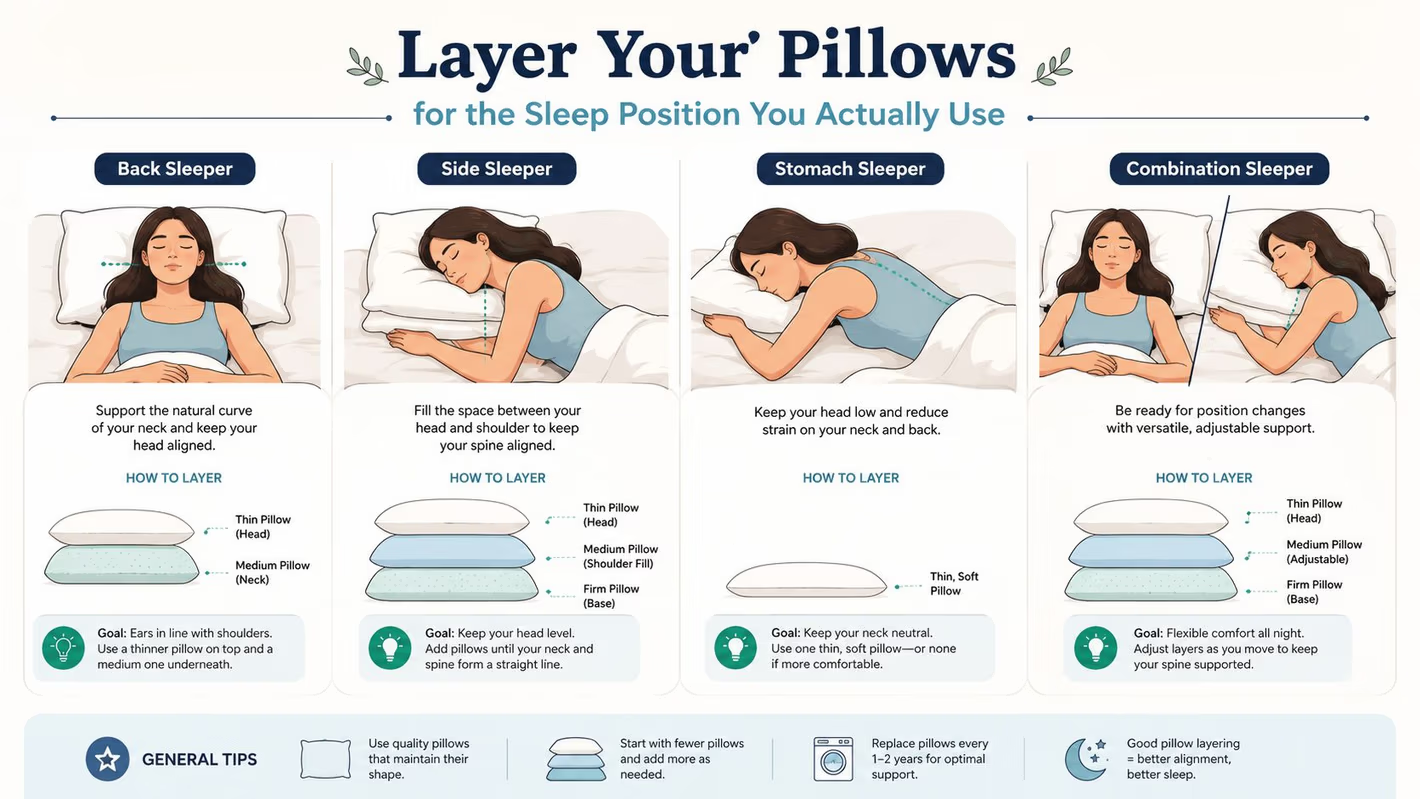
Rule of thumb: if the neck feels bent in the morning, the pillow height probably needs to change.
The visual side matters less than the support side, but both can work together. Gates Home Furnishings also carries decorative pillows and throw accents, including pieces tied to reclaimed wood and teak styling, so the room can feel finished without becoming fussy. For readers comparing pillow shapes and fills, guide how to choose the perfect pillow gives a useful framework.
Keep Your Bed Comfortable Over Time
A comfortable bed does not stay comfortable by accident. It needs regular care, much like any other part of the home that gets daily use. When comfort fades slowly, the usual causes are a mattress, bedding, or pillows that have drifted out of shape over time.
A simple routine helps the bed feel steady instead of tired.
- Make the bed daily: a survey reported that 60% of Brits make their bed daily, and people who make their bed every morning are 19% more likely to report a good night's sleep (Country Living UK sleep habits survey).
- Wash and change sheets regularly: the same survey found that sleepers who were very satisfied with sleep changed or washed sheets every 12.8 days on average, while those who were very unsatisfied waited 19.9 days. Fresh bedding is easier to settle into and less likely to feel heavy or stale.
- Fluff and air out pillows: this helps them keep their shape instead of feeling flat and packed down.
- Vacuum the mattress surface occasionally: dust and debris build up faster than many people expect, especially in homes with pets, kids, or open windows during dry weather.
- Watch for sagging or lumps: those changes usually mean the setup needs attention.
Daily bed-making helps because it resets the surface each morning. Sheets lie flatter, pillows sit where they should, and small problems are easier to spot before they become the reason a bed feels wrong. It works like clearing a workbench before starting the next project, the surface becomes easier to use, and the flaws stand out sooner.
For a closer look at upkeep, mattress maintenance cleaning tips to extend its lifespan gives practical guidance that fits real homes. A separate question many people ask is how often to replace the bed itself, and the SleepHabits bed change guide is a useful reference for that decision. In our experience across Southern Oregon, comfort lasts longer when people keep the bed clean, supported, and adjusted to the season, because dry summers, cooler nights, and everyday wear all change how the sleep surface feels.
Since 1946, Gates Home Furnishings has helped families across Grants Pass, Medford, Central Point, Ashland, and the Rogue Valley find beds that feel right in real homes, not just on a floor plan. The showroom near the heart of Southern Oregon gives people a place to test support, compare bedding, and talk through sleep comfort without pressure. Whether the need is a better mattress base, a topper, fresh sheets, or a full room refresh, the team can help turn a tired bed into a calmer one.