Traditional Bedroom Furniture: A Timeless Style Guide

A lot of bedroom shopping starts the same way. Someone looks around the room and realizes it doesn't feel restful, finished, or pulled together. The bed may be serviceable, the dresser may still hold clothes, but the space doesn't have that settled, timeless feeling people want at the end of a long day.
That's where traditional bedroom furniture still makes sense. It brings order, warmth, and a sense of permanence to a room. In homes across Grants Pass, Medford, Ashland, Central Point, and the wider Rogue Valley, many shoppers still want a bedroom that feels grounded rather than trendy. Traditional pieces answer that need with familiar materials, classic shapes, and a layout built around comfort.
That preference isn't just sentimental. The global bedroom furniture market remained centered on foundational pieces, with wood holding a 39.45% share in 2025 and beds accounting for 36.55% of revenue according to Mordor Intelligence's global bedroom furniture market report. That lines up with what local furniture shoppers often look for first. A dependable bed, practical storage, and a bedroom that feels complete.
For readers also thinking about softness, light control, and a more restful atmosphere, this guide for luxury Tampa Bay homeowners offers useful ideas on bedroom window treatments that pair well with classic furniture.
Table of Contents
- An Introduction to Timeless Traditional Bedroom Furniture
- Key Elements of Traditional Bedroom Furniture
- Sizing and Arranging Your Furniture for a Perfect Fit
- How to Mix and Modernize Traditional Pieces
- Budgeting and Financing Your Timeless Bedroom
- Why Southern Oregon Chooses Gates for Furniture
An Introduction to Timeless Traditional Bedroom Furniture
Traditional bedroom furniture has lasting appeal because it makes a room feel established. Not stiff. Not overdone. Established in the best sense of the word, with pieces that look like they belong together and could still look right years from now.
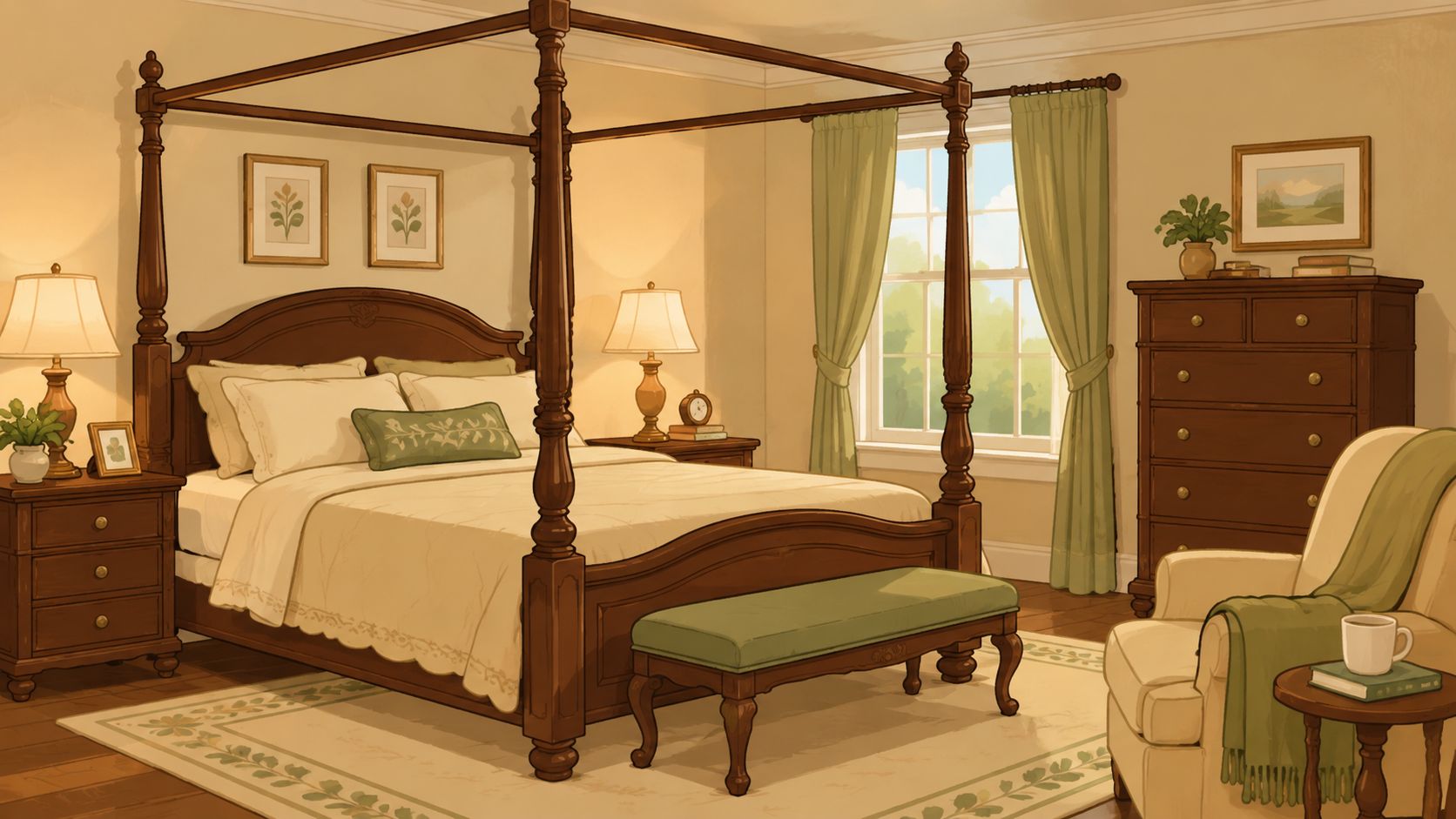
In practical terms, that usually means a substantial bed, matching or coordinated storage, and finishes that add warmth. The room feels calmer because the furniture gives it structure. A nightstand isn't just a table. A dresser isn't just storage. Each piece helps the room read as a complete retreat rather than a collection of leftovers.
For many homeowners and renters, the confusion starts with the word “traditional.” Some hear it and think formal, dark, or old-fashioned. Sometimes it can be. But good traditional furniture is really about balance. It uses familiar forms and durable materials to create comfort.
Why people keep coming back to it
Traditional style tends to work well for people who want a bedroom to feel dependable and welcoming. It suits a primary bedroom that needs to feel restful. It also fits guest rooms where a coordinated look makes the space feel more thoughtful.
A few qualities keep showing up in strong traditional rooms:
- A clear focal point. The bed usually takes center stage.
- Visual stability. Matching or related pieces make the room feel settled.
- Warm materials. Wood tones, upholstered details, and classic finishes soften the space.
- Long-term flexibility. Bedding, rugs, lamps, and art can change over time without forcing a whole new furniture purchase.
Traditional bedroom furniture works best when the room feels calm before it feels decorated.
That's one reason this style still resonates in Southern Oregon homes. Many local bedrooms need to do real work. They need storage, comfortable circulation, and furniture that won't feel tired after one season. Since 1946, George Gates' promise of Service and Value has spoken to that same idea. Buy thoughtfully. Choose pieces with staying power. Let the bedroom become a sanctuary, not just a place to put a bed.
Key Elements of Traditional Bedroom Furniture
Traditional bedroom furniture has recognizable signals. Once shoppers know what to look for, it gets much easier to tell the difference between a classic piece and one that only borrows the look on the surface.
What the style usually looks like
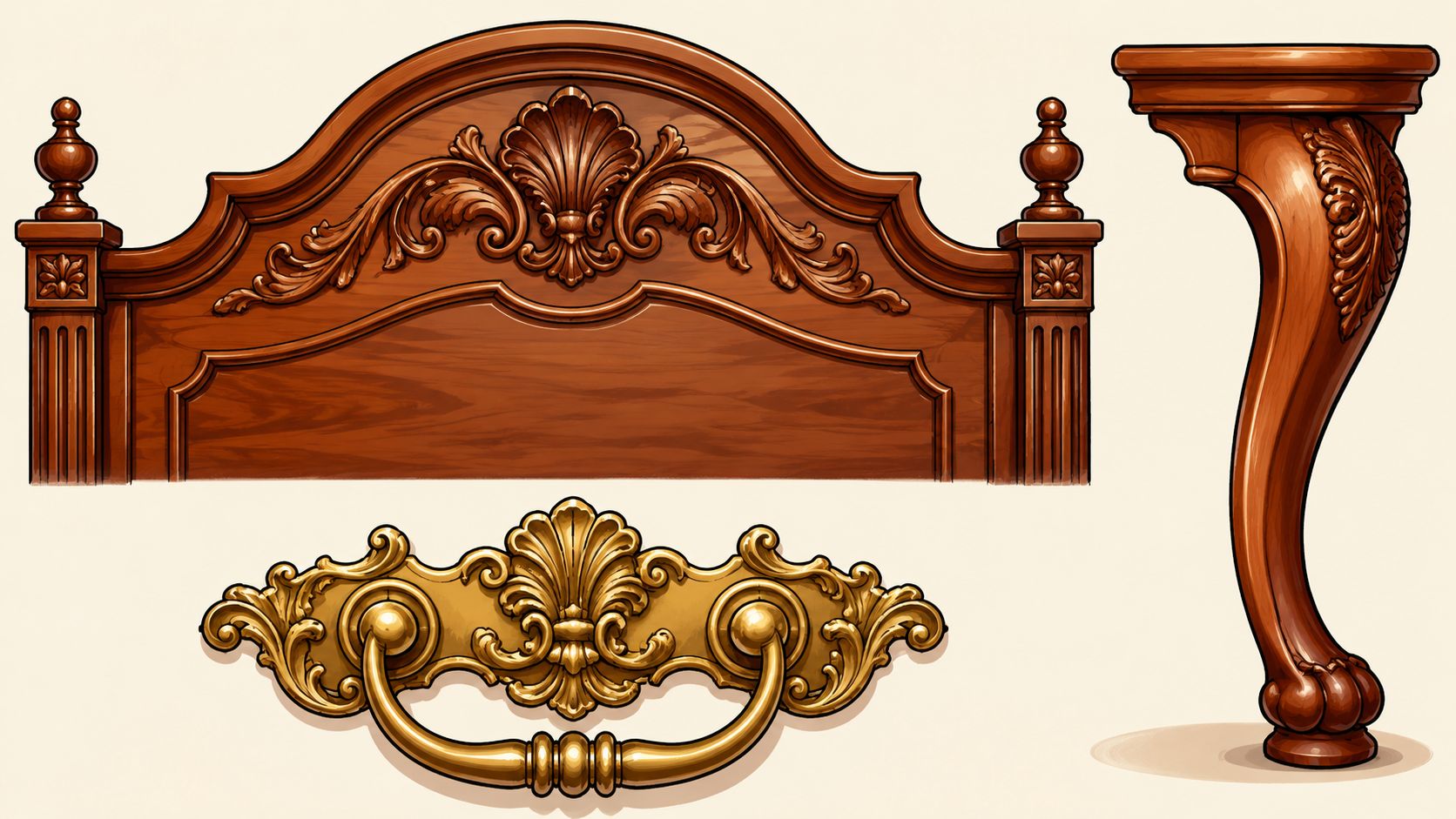
Traditional pieces often lean on shape, detail, and finish rather than stark minimalism. The forms are familiar and usually a little more dressed than modern furniture.
Common visual cues include:
- Rich wood tones such as walnut, cherry, oak, or mahogany-inspired finishes
- Classic bed styles like sleigh beds, panel beds, poster beds, or beds with shaped headboards
- Decorative details such as molding, carved trim, framed drawer fronts, or turned legs
- Ornate or classic hardware in warm metal tones
- Symmetry between the bed, nightstands, and dresser
Some collections keep these details subtle. Others lean into a more formal look. Both can still fall under traditional bedroom furniture if the overall impression is warm, balanced, and rooted in classic craftsmanship.
For shoppers who want a visual reference point, this traditional design style guide helps show how these details come together across a room.
How to spot better construction
Appearance matters, but construction matters more. A dresser can look beautiful on a sales floor and still disappoint after regular use if the build quality isn't there.
According to Flux Magazine's discussion of traditional bedroom furniture quality, strong traditional furniture is tied to solid-wood construction and joinery details such as dovetail or tongue-and-groove joints. The same guidance points to woods historically associated with the style, including walnut, cherry, mahogany, ash, and oak.
That gives shoppers a practical checklist:
- Check the drawer joints. Better joinery usually signals better durability.
- Look past the finish. A glossy surface can hide lightweight construction.
- Open and close everything. Drawers and doors should feel steady, not flimsy.
- Notice the weight and feel. Traditional furniture should feel substantial without being clumsy.
Practical rule: If the furniture only looks traditional from ten feet away, it probably won't satisfy for long.
Trusted brands such as Ashley often offer bedroom collections with these classic features, and seeing them in person makes a difference. In a showroom, shoppers can compare finishes, inspect hardware, and feel whether a drawer glides smoothly or fights back.
Sizing and Arranging Your Furniture for a Perfect Fit
One of the biggest mistakes with traditional bedroom furniture has nothing to do with style. It's scale. A beautiful bed and dresser can still make a room feel cramped if the proportions are off.
Start with the bed
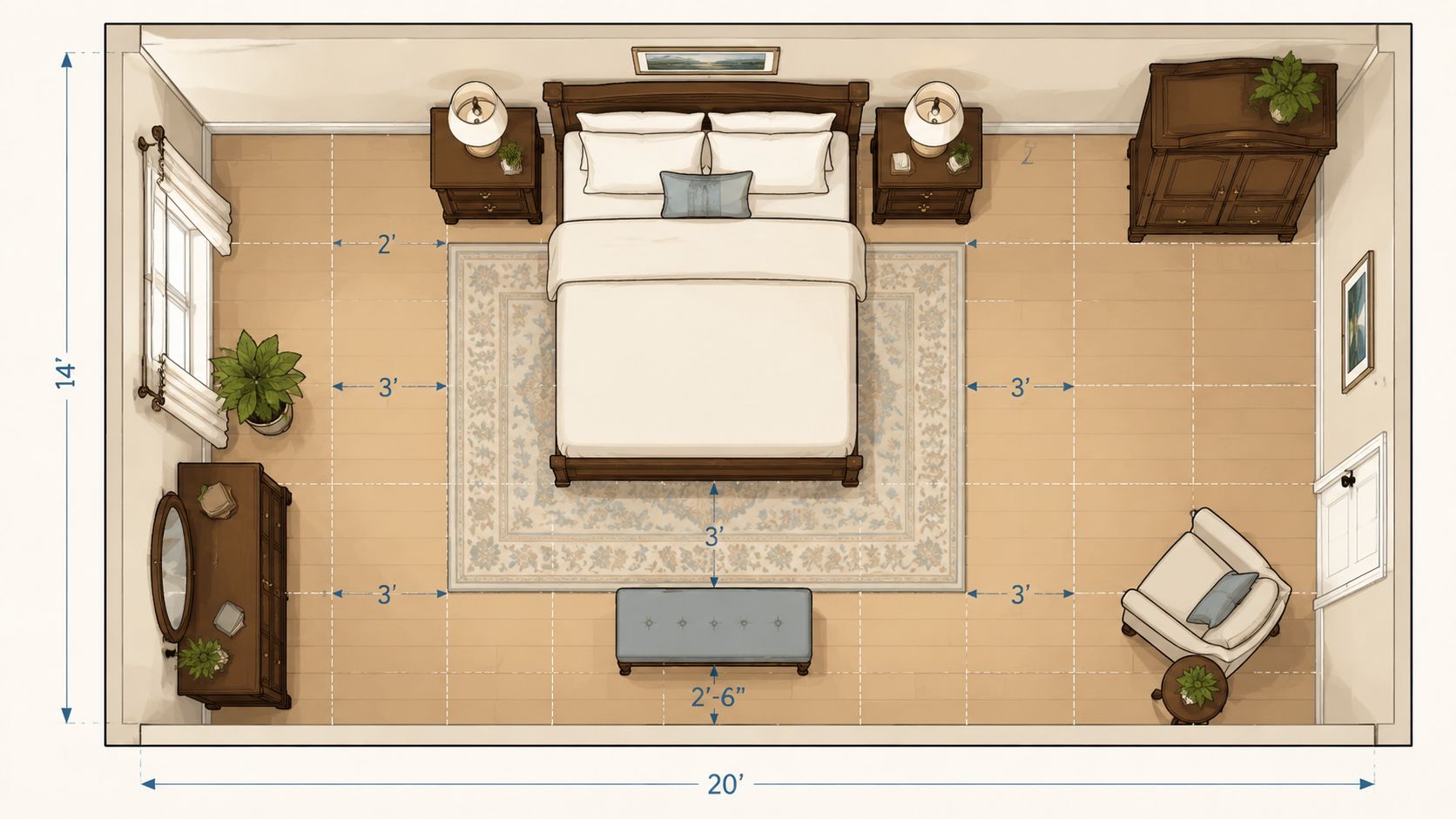
Industry dimension guidance treats the bed as the room's anchor, and standard bedroom sets typically build around the bed with matching nightstands and dressers. It also emphasizes that proportional sizing and symmetrical placement help preserve circulation and visual balance, as noted in Dimensions.com's bedroom furniture reference.
That principle clears up a lot of layout decisions. Instead of asking where every piece can fit, start by deciding where the bed should live. Once that's established, the rest of the room becomes easier to organize.
A simple measuring process helps:
- Measure the room first. Include wall lengths, window locations, closet swing, and door clearance.
- Mark the bed wall. In most bedrooms, this is the natural focal wall.
- Add the companion pieces. Nightstands usually come next, then the dresser or chest.
- Walk the route mentally. Think about getting in bed, opening drawers, and moving through the room in the dark.
Shoppers who want help preparing those measurements can use this furniture measuring guide before visiting a store.
What to do in smaller or awkward rooms
Many national style articles often fall short. They show ideal bedrooms, not the tighter spaces found in many apartments, older homes, and irregular room layouts around Southern Oregon.
In a smaller room, traditional furniture can still work if the pieces are chosen with discipline. A tall chest may serve better than a long, low dresser. One statement bed may do more for the room than a full matching set. A visually heavy footboard may need to be skipped if it crowds the walkway.
Helpful adjustments include:
- Choose one dominant piece. Let the bed carry the traditional character.
- Use vertical storage. Height often helps more than width in compact rooms.
- Keep the layout symmetrical where possible. Even modest symmetry makes a room feel calmer.
- Reduce visual clutter. Traditional furniture already has presence, so accessories should stay selective.
A room doesn't need more furniture to feel complete. It needs the right furniture in the right places.
This is one reason a physical showroom matters. In a 30,000 sq. ft. Grants Pass showroom, shoppers can judge height, depth, and visual weight in person instead of guessing from product photos alone.
How to Mix and Modernize Traditional Pieces
A lot of shoppers like traditional bedroom furniture but worry the room will feel too formal. That concern is fair. If every piece is ornate, dark, and heavily matched, the space can feel stuck in another decade.
Why transitional styling works
Many buyers now prefer a transitional direction that blends traditional craftsmanship with cleaner, more current lines. Michelangelo Designs' explanation of transitional bedroom furniture describes it as a bridge between traditional and contemporary aesthetics, often combining modern silhouettes with the richer materials and craftsmanship associated with classic pieces.
That's good news for anyone who likes warmth but doesn't want a room that feels overly formal. The strongest bedrooms often keep the bones traditional and let the accents lighten the mood.

Easy ways to keep the room current
Mixing styles works best when one piece leads and the others support it. A carved wood bed can be the anchor while the rest of the room gets simpler. Or a classic dresser can hold the traditional note while the bed and lighting stay cleaner.
Useful pairings include:
- Traditional bed, simpler nightstands. This keeps the focal point strong without making the room too busy.
- Classic dresser, modern rug. Softens the formality and adds contrast.
- Wood furniture, lighter bedding. Helps heavier pieces feel fresher.
- Matching bones, varied accents. Lamps, mirrors, and benches don't all need to come from the same collection.
A helpful reference for this approach is this guide on mixing furniture styles, especially for shoppers who don't want the room to look like a full catalog set.
One especially effective option is using a one-of-a-kind accent piece. Reclaimed wood or teak can break up a too-perfect match and give the room more personality. Those kinds of Unique Finds often work well in traditional spaces because they add texture, history, and a collected feel.
The room usually feels more current when every piece doesn't try to say the same thing at the same volume.
Budgeting and Financing Your Timeless Bedroom
Bedroom furniture is a meaningful purchase because it affects daily life. People use it every morning and every night. That's why the better question usually isn't “What's cheapest?” It's “What will still feel solid and useful after years of real use?”
Spend where quality matters most
Traditional furniture tends to reward selective spending. If the budget won't stretch to a full set, the smartest move is often to invest first in the pieces that take the most wear or define the room most strongly.
That usually means prioritizing:
- The bed. It sets the room's character and handles daily use.
- The main storage piece. A dresser or chest needs to function smoothly, not just look good.
- Construction details. Strong drawers, reliable hardware, and better materials matter more than extra ornament.
The lower-cost path can look appealing in the moment, especially online, but replacement shopping is frustrating. A piece that wobbles, sticks, or shows wear too quickly often costs more in inconvenience than people expect.
Ways local shoppers keep the purchase manageable
For many households, the practical challenge isn't whether quality matters. It's how to fit that purchase into the budget without turning the whole project into stress.
That's where flexible options help. For readers comparing sets, storage pieces, and different price levels, this affordable bedroom furniture sets page gives a useful starting point. One local option, Gates Home Furnishings, also offers Gates Easy Pay, including $0 down, 6-month interest-free options, and no-credit-needed programs. That can make it easier to buy the right core pieces first instead of settling for a room full of compromises.
The Gates Outlet is another route worth noting for budget-conscious shoppers in Grants Pass, Medford, Central Point, and nearby communities. Clearance, closeout, and special-value pieces can be a sensible fit for guest rooms, first apartments, or anyone furnishing a bedroom in stages.
A good budget plan for traditional bedroom furniture often looks like this:
- Buy the anchor piece first
- Add storage second
- Layer in mirrors, benches, and accents later
- Leave room for delivery and setup needs
That last point matters more than many people expect. Heavy bedroom furniture is hard to move, and proper assembly can save both time and headaches.
Why Southern Oregon Chooses Gates for Furniture
Traditional furniture asks shoppers to think long term. Local furniture service should work the same way. That's part of why a family business with roots in the community still means something in Southern Oregon.
A local promise that still matters
Since 1946, the business founded by George Gates has operated on a simple promise of Service and Value. That idea fits bedroom shopping especially well because this isn't an impulse purchase. People want help judging scale, quality, comfort, and how a set will fit into their home.
In a real showroom, those questions are easier to answer. A shopper can stand beside the bed, open the drawers, compare finishes, and decide whether a piece feels elegant or just oversized. That's harder to do from a thumbnail image alone, even when the product description sounds right.
For households furnishing a whole home or planning a move, this new home furnishing guide can help prioritize what to buy first and how to think about room-by-room decisions.
What shoppers usually value most
Several service details tend to matter once the purchase becomes real:
- A physical destination for testing. The 30,000 sq. ft. showroom in Grants Pass gives shoppers a place to compare bedroom styles in person.
- Recognizable brands. Collections from names such as La-Z-Boy, Flexsteel, Ashley, and Beautyrest help build confidence in what's being considered across the store.
- White-Glove Delivery. Professional in-home delivery, assembly, and mattress haul-away mean the process doesn't end at the curb.
- Protection after the sale. A plan such as Gates Care Shield can help protect the investment from everyday mishaps.
That combination matters in Grants Pass and throughout the Rogue Valley because many shoppers want straightforward guidance, not pressure. They want to know whether the dresser will fit, whether the bed will overpower the room, and what happens after the sale if setup feels overwhelming.
Traditional bedroom furniture works best when it's chosen carefully, fitted properly, and supported by service that matches the seriousness of the purchase. That's how timeless style stays practical, not just pretty.
For readers ready to compare styles, test finishes in person, or talk through room size and budget, Gates Home Furnishings offers a local place to start. Visit the Grants Pass showroom to see traditional bedroom furniture at full scale, explore one-of-a-kind Unique Finds, and ask about White-Glove Delivery and Gates Easy Pay. Shoppers across Grants Pass, Medford, Ashland, Central Point, and Southern Oregon can also browse the collection online.