Fabric Furniture Protection a Complete Guide


A new fabric sofa always looks perfect for about five minutes. Then real life starts. Coffee lands on the arm, a child climbs up with crackers, the dog claims one corner, and somebody sits down in dark jeans after a rainy Southern Oregon afternoon.
That's exactly why fabric furniture protection matters. Families in Grants Pass, Medford, Central Point, Ashland, and across the Rogue Valley don't need furniture that only looks good on day one. They need furniture that can handle actual living and still look respectable years later.
Since Est. 1946, Gates Home Furnishings has been built around George Gates' promise of Service and Value. That promise still applies after the sale. Fabric protection, smart cleaning, and a solid plan for accidents are part of making a furniture investment last.
Your Guide to Lasting Furniture
Stain protection is often an afterthought until the first spill. That's backwards. Protection works best when it's part of the buying decision and the care routine from the start.
The risk is real. Industry data shows that 68% of fabric furniture owners in the U.S. experience at least one accidental stain or tear within the first three years of ownership, with spills from beverages like coffee and wine accounting for 42% of incidents according to this industry data reference. That lines up with what furniture households deal with every day. Drinks tip. Seams get stressed. Corners take abuse.
What actually protects fabric furniture
Fabric furniture protection isn't one product or one trick. It's a layered approach:
- The right fabric choice for the room and household
- Routine maintenance so dirt doesn't grind into fibers
- Fast stain response when accidents happen
- A protection plan for damage that household cleaning can't solve
- Professional setup and placement so furniture starts life in the home correctly
Practical rule: A beautiful sofa without a protection plan is still vulnerable. A durable sofa with a smart care routine usually outlasts expectations.
That's also why a local showroom matters. A 30,000 sq. ft. showroom in Grants Pass gives shoppers a chance to sit on different cushions, compare weaves, and test what feels practical for their household. A formal-looking fabric may be right for a quiet sitting room. A tighter weave may be the smarter call for a busy family room near schools, parks, and everyday traffic around Grants Pass.
Brands matter too. Shoppers comparing La-Z-Boy, Flexsteel, Ashley, and Beautyrest in one place can make better long-term decisions because they aren't guessing from a screen. They can also spot the difference between everyday upholstery and the kind of material that fits a home with kids, pets, or regular guests.
Know Your Fabric Before You Clean
A spill lands on the sofa, someone grabs the first bottle under the sink, and a simple spot turns into a water ring, faded patch, or rough-looking seat cushion. That mistake happens because people clean first and identify later.
Start with the fabric itself.
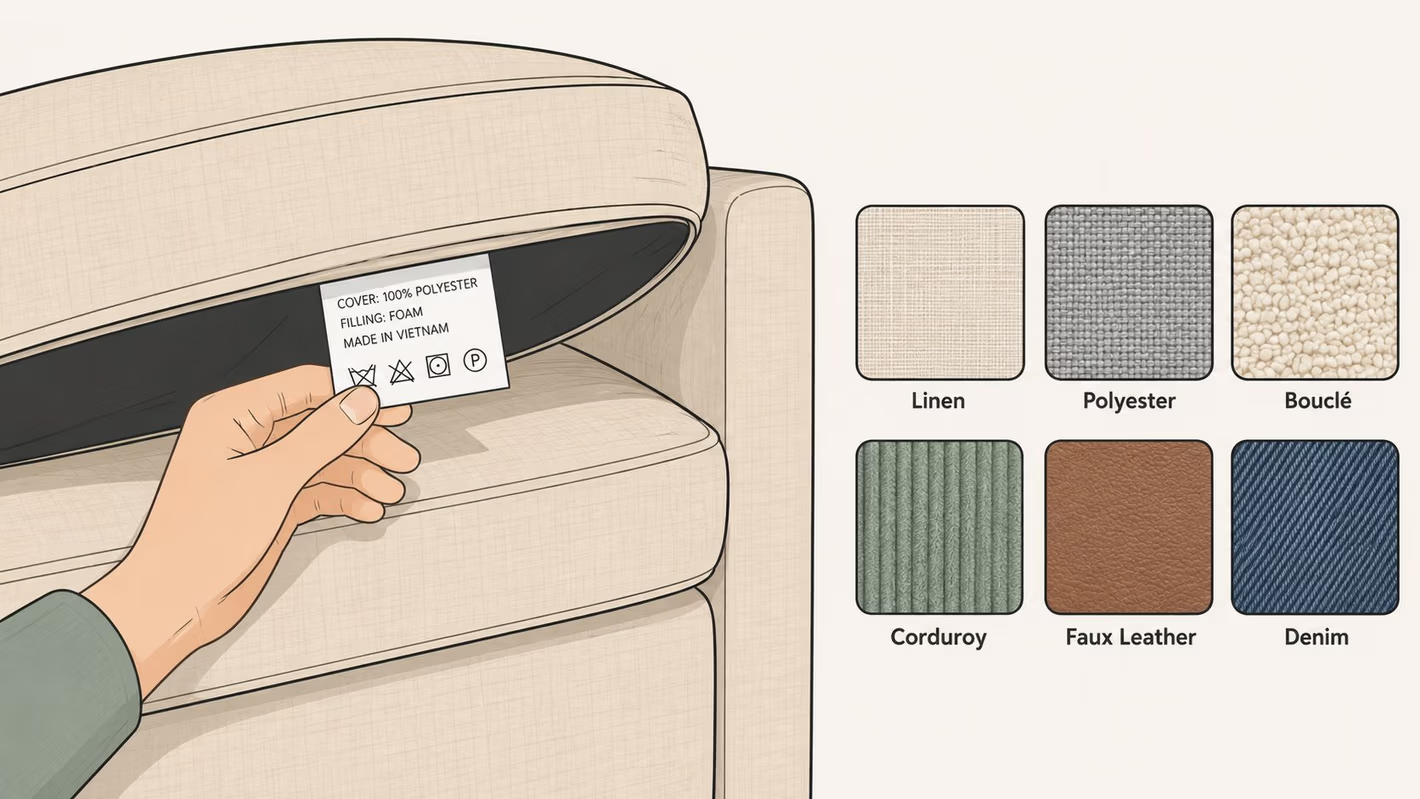
The care tag, usually under a seat cushion or beneath the deck, tells you what the upholstery can handle. Read that before you use any cleaner, dab with water, or try a home remedy from social media. One wrong product can set the stain, flatten the texture, or leave a mark that never blends back in.
The codes that matter
Use this quick guide before you touch the fabric:
| Code | What it means | What to do |
|---|---|---|
| W | Water-based cleaning is generally acceptable | Use mild water-based upholstery methods |
| S | Solvent-based cleaning only | Keep water off it unless the maker says otherwise |
| WS | Either water-based or solvent-based methods may work | Test first and clean gently |
| X | Vacuum only | Don't apply water or cleaner |
X is the one that gets families in trouble. These fabrics are poor candidates for do-it-yourself spot cleaning. Liquid can leave rings, change the nap, or spread the stain farther than it started.
That is exactly why buying the right fabric from the start matters as much as cleaning it correctly later. A busy household needs upholstery that fits real life, not just a color swatch that looked good under showroom lights.
Why fabric choice matters before the first accident
People often shop by color, then comfort, then price, and treat fabric type like a minor detail. That order is backwards. Fabric decides how the piece will live in your home, how much maintenance it will need, and how forgiving it will be when life gets messy.
Handle fabrics in person if you can. Rub the weave. Check how tightly it's made. Ask how it reacts to pets, kids, sunlight, and daily use. Families testing different styles from top manufacturers in a Grants Pass showroom usually spot the difference right away between a fabric that looks delicate and one that is built for regular traffic.
If you want help sorting out fibers, texture, and upkeep before you buy, read this guide to upholstery materials.
A good protection strategy starts earlier than many people think. It starts with choosing a fabric that suits the room, having it delivered and placed correctly with White-Glove Service so it begins life in the home the right way, and backing it with a plan like Gates Care Shield for the problems household cleaning cannot fix. That combination protects both the furniture and your peace of mind.
Fabric care starts before the first stain. It starts with knowing what's on the frame.
The same rule applies to one-of-a-kind pieces. Distinctive materials, unusual textures, and statement upholstery are not a reason to worry. They are a reason to pay attention. Families who know their fabric, protect it early, and have a long-term care plan usually keep their furniture looking better for a lot longer.
Build a Routine Care Habit
Most upholstery doesn't wear out all at once. It gets slowly ground down by neglect. Dust settles in the weave, body oils build up where people sit every day, and cushions compress unevenly because nobody rotates them.
That's why routine care beats dramatic rescue efforts. Small habits do more for furniture life than occasional panic cleaning.

The weekly habits that actually matter
A sensible care routine looks like this:
- Vacuum the seating surfaces: Use a furniture attachment and get into seams, under cushions, and along the deck where grit collects.
- Rotate and fluff cushions: This spreads wear across the whole sofa instead of creating one permanently crushed favorite seat.
- Check light exposure: Sunny windows fade fabric over time. Use a throw or adjust the room when one arm or back cushion gets direct afternoon sun.
- Handle pet spots early: Fur, dirt, and natural oils build up faster than people think.
These tasks aren't glamorous, but they protect value. A sofa in a busy family room near the windows needs different attention than a formal chair in a quieter part of the house.
Treat protection like maintenance
One of the biggest misconceptions is that a protector application is permanent. It isn't.
High-traffic upholstery typically needs reapplication of protective treatments every 6 months, and the practical lifespan is 6–12 months overall, according to this fabric protection maintenance reference. That's why fabric furniture protection should be treated like upkeep, not a one-time event.
If a homeowner sprays once and assumes the job is done forever, they'll be disappointed. Traffic, cleaning, friction, and daily use wear the barrier down.
Good upholstery care is boring on purpose. That's why it works.
For seasonal reminders and a smart household routine, this fall furniture maintenance checklist gives a practical starting point.
Routine care also protects style. An Ashley sectional, a comfortable La-Z-Boy recliner, or a reclaimed-wood room anchored by one of the showroom's Unique Finds all look better longer when the household follows a simple pattern. Owners don't need obsessive rules. They need consistency.
The Art of Emergency Stain Removal
Saturday night, someone sets a glass down on the sofa cushion, it tips, and now the stain clock is running. The families who save their upholstery are the ones who act fast and stay controlled.
Start with a clean white cloth and blot the spill right away. Work from the outside edge toward the center. Keep turning the cloth to a dry spot. That simple habit prevents spreading, reduces how much liquid reaches the cushion, and gives you a better shot at stopping a permanent mark.

First response for a fresh spill
Use this order and you avoid half the damage people cause during cleanup:
- Blot immediately. Start at the edge and move inward.
- Use a white cloth. Colored towels can leave dye behind.
- Check the care code. Water is not safe for every fabric.
- Test any cleaner in a hidden spot first.
- Use a small amount of cleaner only if the fabric code allows it.
- Let the area dry fully before deciding it failed.
That last step matters. Damp fabric can look darker than it really is, and impatient homeowners often overclean a spot that would have dried fine on its own.
What ruins upholstery during stain cleanup
The stain is often only part of the problem. Bad cleanup causes the rest.
- Hard rubbing grinds the spill into the fibers and roughs up the surface.
- Too much water leaves rings and can soak into the cushion.
- Skipping the fabric code leads to shrinkage, texture change, or color loss.
- Spraying protector onto dirty fabric seals in soil, body oil, and residue.
I've seen this over and over in Grants Pass homes. A small spill turns into a bigger mess because somebody attacks it with whatever spray is under the sink. Slow down. Use the fabric's care code, use less moisture than you think, and stop scrubbing like you're cleaning a garage floor.
A protection product also belongs on clean upholstery. If the fabric is already carrying dirt and oils, you are preserving the problem, not preventing the next one. For a clear look at how a protection plan fits into real-world upholstery care, read about stain protection for upholstery.
A practical red wine example
Red wine on a light seat cushion needs a disciplined response. Blot first. Do not dump cleaner straight onto the spot. If the care code allows water-based cleaning, use a small amount on the cloth, not the fabric, and keep the stained area as contained as possible.
Then blot again with a dry section of the cloth and let the cushion dry completely. If the mark improves but does not disappear, stop before you overwork the fabric. That is the point where a household benefits from having a real protection plan and proper guidance, not just another round of guesswork.
For homes with kids, pets, or one cushion that gets punished every day, a physical barrier can also buy you time. The best waterproof sofa covers are useful for problem zones, but they work best as one layer in a bigger protection strategy. Smart families pair quick stain response with a protection plan and careful setup from day one. White-Glove Service helps furniture start its life in the right spot and in the right condition. Gates Care Shield helps when real life happens anyway.
Proactive Protection Your Best Defense
Saturday night hits a little too close to home. Somebody drops pizza on the sectional, the dog jumps up with wet paws, and suddenly the sofa you paid good money for is taking another beating. Routine care helps, but busy households in Southern Oregon need more than good intentions. They need a protection system that holds up in real life.

A smart plan has layers. Start with a treatment that gives spills more time to sit on the surface. Add a physical barrier for the hardest-hit seat if your house has pets, kids, or both. Then back the purchase with a protection plan for the damage that no spray or throw can fully stop.
DIY spray versus a protection plan
These choices do different jobs.
| Option | Good for | Limits |
|---|---|---|
| DIY fabric protector spray | Owners who will prep correctly, test first, and reapply on schedule | Results depend on application and upkeep |
| Slipcover or throw | High-use seats, pet zones, and messy households | Changes the look and feel of the furniture |
| Protection plan | Accidents that go beyond home care | You still need to follow the plan terms |
| Professional delivery and setup | Proper placement, assembly, and a strong start | It does not replace stain protection |
A washable throw or one of these best waterproof sofa covers makes sense for a problem cushion or the spot where the dog always lands. Use it as one layer, not the whole strategy.
Why the plan matters
Households do not ruin furniture because they are careless. Life is hard on upholstery. Drinks spill, seams get stressed, and one rough week can do more damage than a year of careful vacuuming can prevent.
That is why a protection plan earns its place. Gates Care Shield gives families a clear path when an accident crosses the line from simple cleanup to actual damage. That kind of backup matters more than another bottle under the sink.
Gates Home Furnishings also pairs product protection with White-Glove Service, and that matters more than many buyers realize. Proper delivery and setup help prevent avoidable strain from bad placement, twisted frames, or rough handling on day one. If you want to see how a treatment fits into that bigger care strategy, review the store's upholstery protection spray options.
Protection works best as a system. Choose the right fabric. Set it up properly. Maintain it consistently. Put a real plan behind it so your furniture stays useful, comfortable, and worth owning for years.
Enjoy Your Furniture Without Worry
The point of fabric furniture protection isn't to turn a living room into a museum. It's to make daily life feel easier. Kids can pile onto the sectional. The dog can nap nearby. Guests can sit down with coffee without everybody acting nervous.
Protection changes the timeline of an accident. Protected fabrics can repel liquid absorption for 5 to 10 minutes, while untreated fabrics absorb liquids within seconds, according to this fabric protection explanation. That extra time is what gives a homeowner a real shot at blotting a spill before it becomes permanent.
A practical Southern Oregon mindset
The smartest households use a mix of strategies:
- Choose sensible fabrics for the busiest room in the house
- Use washable throws or covers where pets or kids hit hardest
- Keep cleaning supplies ready so response is fast
- Add a protection plan if replacing the piece would be painful
- Stick with routine care instead of waiting for visible damage
That approach makes it possible to own a light-colored sofa without regretting it. It also helps renters, first-time buyers, and growing families protect what they buy instead of replacing it too soon.
For people furnishing on a budget, flexibility matters too. Gates Easy Pay offers $0 down, 6-month interest-free, and no-credit-needed options, which helps more Southern Oregon households buy the right piece now instead of settling for the wrong one and paying for it later. Between Grants Pass, Medford, Central Point, Ashland, and the wider Rogue Valley, plenty of families want furniture that looks good, feels right, and stands up to life.
A visit to the showroom makes the difference. The 30,000 sq. ft. Grants Pass showroom gives shoppers room to test comfort, compare upholstery in person, and see the mix of major brands and Unique Finds that big-box stores usually can't match. For anyone considering long-term coverage, this furniture protection plan overview is a useful next step.
Visit Gates Home Furnishings to test comfort in the Grants Pass showroom, explore La-Z-Boy, Flexsteel, Ashley, Beautyrest, and one-of-a-kind reclaimed wood and teak pieces, and ask about White-Glove Delivery, mattress haul-away, Gates Easy Pay, and practical ways to protect fabric furniture for the long haul. Southern Oregon families have counted on that Service and Value promise since 1946.