Dark Walnut Bedroom Furniture: The Southern Oregon Guide


A bedroom can look perfectly balanced in the showroom and surprisingly heavy at home. A dark bed may sit against a bright wall, while a dresser, nightstand, flooring, and limited window light compete for attention. For homeowners in Grants Pass, Medford, Central Point, Ashland, and the broader Rogue Valley, the question isn't whether dark walnut bedroom furniture looks attractive. The useful question is whether the finish, scale, layout, and care requirements suit the room.
Dark walnut can bring warmth, structure, and a sense of permanence to a bedroom. It can also overwhelm a compact space when every major surface is dark. The right choice depends on construction, lighting, proportions, and how the furniture will be maintained through Southern Oregon's changing seasons.
Why Dark Walnut Has Stood the Test of Time
A shopper walking through a bedroom showroom often sees several dark wood finishes that look similar at first glance. One bed may have the quiet, flowing grain associated with walnut. Another may use a darker stain over a different hardwood or composite core. Under warm display lighting, both can appear rich and substantial, but the material story behind each piece may be very different.
Walnut has earned its reputation over a long history of furniture making. Historians describe early 18th-century England as the “Age of Walnut,” when walnut was the primary wood for high-quality English furniture before mahogany became widespread in the mid-1700s. Cabinet fronts, chair frames, legs, veneers, marquetry, and parquetry all benefited from walnut's contrast between lighter and darker figuring, as documented in this history of walnut timber.
That history matters because it explains why walnut still reads as more than a passing color trend. Its grain has enough movement to give a large dresser character, but it usually remains calm enough to support a restful bedroom. The material works in traditional rooms with paneled details, yet a clean-lined walnut platform bed can also suit a newer home with simple walls and restrained decoration.
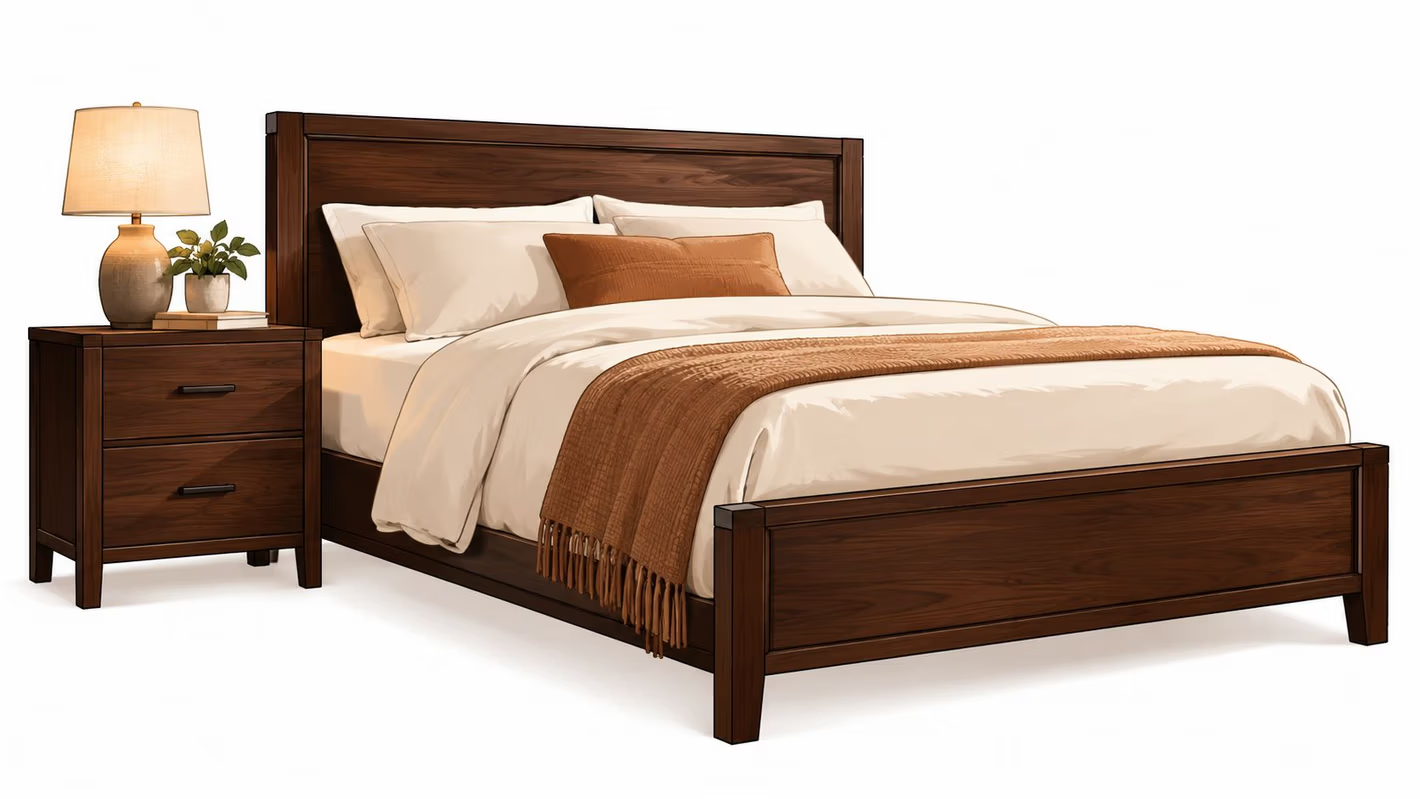
A premium tradition with modern flexibility
Walnut remained a dominant premium timber through the Restoration and early Georgian periods, then continued as a recognizable luxury material across European and British interiors. That lineage gives dark walnut bedroom furniture a useful quality for homeowners who don't want a bedroom that feels tied to a short-lived decorating cycle.
Modern demand also reflects walnut's premium positioning. One industry source reports that kitchen, dining, and bedroom categories together account for over 70% of household-directed walnut furniture purchases, while another estimate places the global walnut bed market at approximately $3.8 billion, with a projected 6.2% compound annual growth rate through 2028. Those figures appear in the walnut furniture market overview, and they point to continued interest in walnut bedroom pieces rather than a temporary showroom preference.
Black walnut is also described as the most valuable furniture and cabinet species in the United States, despite representing less than 2% of commercially available U.S. hardwoods, according to the same market reference. Rarity alone doesn't guarantee quality, but it helps explain why walnut carries a premium association in beds, dressers, and nightstands.
What the history means for a Southern Oregon bedroom
The practical lesson is simple. Walnut can provide a dark anchor without making a room feel formal, provided the surrounding elements give it breathing room. Pale bedding, warm neutrals, woven textures, and carefully placed lighting keep the wood grounded rather than imposing.
For a closer look at classic silhouettes and coordinated materials, shoppers can compare traditional bedroom furniture before deciding whether a traditional headboard, sleek bed, or mixed collection fits the home.
Understanding Walnut as a Material
The phrase dark walnut doesn't always identify a single type of wood. It may describe naturally dark walnut heartwood, a tinted finish applied to walnut, or a deep-brown stain applied over another substrate. Buyers who understand that distinction can evaluate the furniture's construction instead of judging the color alone.
Black walnut is a dense, durable hardwood with a Janka hardness of about 1,010 lbf, as explained in this walnut hardness and finishing guide. That rating places it in a useful middle ground for bedroom furniture. It can handle ordinary use on bed frames, dressers, and nightstands, but it isn't so hard that machining or future refinishing becomes unusually difficult.
What the hardness rating means in daily use
A walnut dresser should tolerate normal drawer operation, clothing storage, and routine contact better than a very soft wood. A bed frame made with sound joinery and suitable material can also support long residential service. The rating doesn't make walnut dent-proof, however. A sharp impact from a metal object or a heavy item dropped on an edge can still leave a mark.
Practical protection includes:
- Protecting exposed edges: Avoid placing hard objects where they can strike drawer fronts or corners.
- Using suitable surfaces: Lamps, jewelry trays, and felt pads reduce repeated abrasion on nightstands.
- Considering traffic: A dresser beside a narrow doorway may receive more bumps than the same dresser on an open wall.
- Checking the joinery: Hardness supports durability, but drawer construction, fasteners, and frame design also determine how a piece performs.
Heartwood, sapwood, and natural color
The deepest walnut tones typically come from the heartwood. As the wood ages, extractives such as phenols, quinones, and tannin-like compounds accumulate in that interior wood, while the younger sapwood remains paler because it is still active in moving water. This distinction is described in the explanation of walnut heartwood and color.
That is why two pieces described as walnut may not match perfectly. One may show a broad, dark heartwood field, while another may include lighter areas, mineral streaks, or more visible variation. Natural variation isn't automatically a defect. It becomes a concern only when a buyer expects a uniform, nearly painted surface.
Practical rule: A walnut sample should be viewed in daylight and beside the room's existing floor, trim, and wall color. Warm showroom lighting can make a finish appear redder or deeper than it will look at home.
Buyers comparing solid walnut with veneer should also ask what lies beneath the visible surface. Solid walnut offers substantial wood throughout and may provide more scope for future refinishing. Walnut veneer uses a thin layer of walnut over a stable core, which can deliver attractive grain matching and practical dimensional stability when properly made. Neither format should be judged by appearance alone. The quality of the core, edges, finish, hardware, and assembly matters just as much.
For a plain-language guide to those construction differences, the wood furniture guide to hardwood longevity and style gives shoppers useful questions to bring to a showroom.
Finish Types and Style Pairings
Many shoppers assume dark walnut names a species. In practice, it often describes a deep-brown stain or finish, and the final appearance depends on the substrate, sanding, application time, pigment load, topcoat, and lighting. A dark finish over one wood can look completely different from the same color applied over another.
The comparison below helps clarify the main choices:
| Construction or finish | What shoppers may notice | Practical trade-off |
|---|---|---|
| Naturally dark walnut heartwood | Visible grain variation and rich brown color | Higher material value, with natural variation to accept |
| Walnut veneer over a stable core | Carefully arranged grain across broad panels | Attractive and efficient, but the surface has limits for refinishing |
| Dark stain over another wood | Walnut-like color with a different underlying grain | Often offers style flexibility, but the substrate determines character |
| Dark finish over composite panels | Consistent color and manufactured stability | Construction quality and emissions compliance deserve close attention |
Finish names aren't enough. A shopper should inspect the top, drawer fronts, side panels, and edges to see whether the grain continues logically. A dresser with convincing grain alignment and a durable topcoat may perform well, while a piece that relies only on a dark color can look flat or inconsistent in changing light.
Building a lighter room around dark wood
Dark walnut bedroom furniture works best when it has a clear visual role. A walnut bed can anchor the room while cream bedding and a pale rug keep the sleeping area open. A walnut dresser can serve as the statement piece, with lighter nightstands or painted storage preventing the walls from becoming a continuous dark band.
Reliable pairings include:
- Soft neutral: Cream, oatmeal, warm white, and natural linen make the wood feel calm rather than severe.
- Textured modern: Bouclé, woven rugs, ceramic lamps, and simple artwork add softness without competing with the grain.
- Warm traditional: Brass or bronze details bring out the brown tones and suit more classic headboards.
- Contemporary contrast: Black iron, clean hardware, and uncluttered bedding sharpen the look without requiring a fully industrial room.
- Layered color: Sage, muted green, navy, and warm stone can give the bedroom depth, provided the dark furniture remains the visual anchor.
A minimalist room doesn't need to avoid walnut. It needs fewer competing objects. A low bed, one substantial dresser, and a small number of tactile accessories often look more deliberate than a complete matching suite covering every wall.
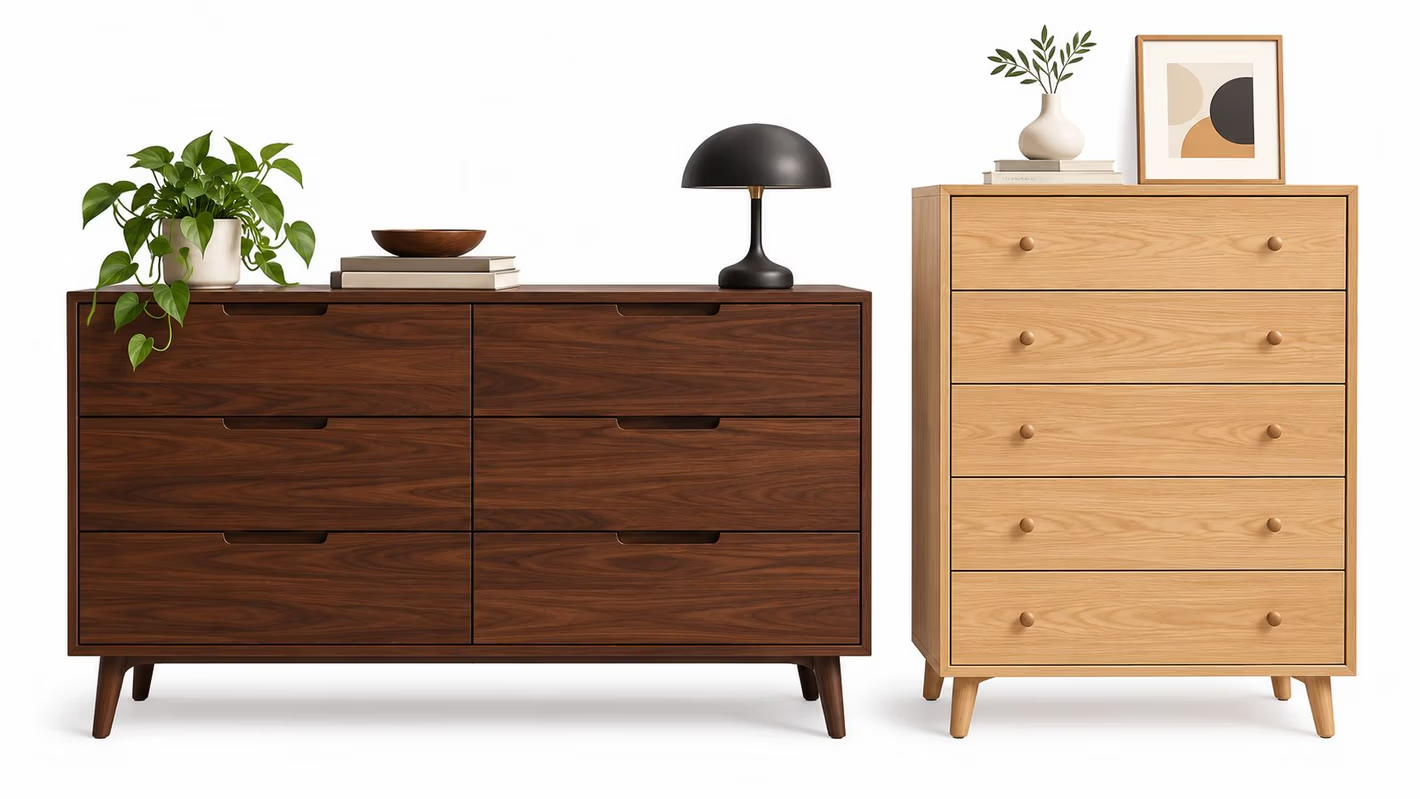
Comparing solid, veneered, and stained choices
Solid walnut is compelling when visible depth, repairability, and long-term material value matter most. Veneer can be the better choice for wide panels and coordinated case goods because a stable core helps manage movement. A stained alternative can make the walnut look accessible, but buyers should judge it as a finish system rather than assume it carries the same properties as walnut throughout.
Finish quality also includes the protective topcoat. A durable top surface matters on nightstands where drinks, skincare products, and charging devices are used daily. The natural wood finishes guide can help shoppers compare sheen, texture, and the way different finishes affect the underlying grain.
Sizing and Layout for Different Bedroom Sizes
A dark bedroom piece doesn't automatically make a small room look smaller. The problem usually comes from combining too many heavy silhouettes, placing them on every wall, or choosing furniture that rises high into the sightline. The most dependable approach is to use one or two dark pieces as anchors, then let lighter materials carry the rest of the room.
A compact bedroom often benefits from a low-profile walnut platform bed paired with one dresser or a single nightstand. Lower sightlines reveal more wall and floor, which can make the room feel less crowded. A tall traditional headboard may be beautiful, but it can dominate a small room when the ceiling, window, and walking path are already limited.
A workable placement sequence
Measure the usable space first. Account for doors, closets, windows, registers, and the path from the entry to the bed. A piece that technically fits may still make the room frustrating to use.
Choose the visual anchor. In most bedrooms, that means the bed. If the bed has a substantial dark headboard, a lighter dresser can balance the opposite wall.
Keep one wall visually quiet. Open wall area, a mirror, or light-colored bedding gives the eye somewhere to rest. Filling every available surface with walnut usually creates more weight than warmth.
Protect circulation. Nightstands should support the bed without forcing a narrow passage. Dressers need enough clearance for drawers to open fully without blocking the main route.
Use contrast deliberately. A dark bed against a light wall creates definition. Light curtains and bedding keep the contrast from becoming oppressive, especially in bedrooms with limited daylight.
For homeowners planning a larger renovation, reviewing architectural plans for master suites can clarify how bed placement, storage walls, windows, and circulation work together before furniture is ordered.
Adjusting the approach by room type
In a studio or compact guest room, a walnut bed and one small nightstand may be enough. A wall-mounted light, pale bedding, and visible floor around the bed can preserve openness. In a medium bedroom, a walnut bed plus dresser works well when the dresser sits on the wall opposite the bed rather than beside another tall case piece.
A spacious primary suite can handle more dark furniture, but scale still matters. A wide dresser with a substantial headboard needs breathing room around it. Mixing a dark walnut bed with a lighter chest or reclaimed wood accent can create a collected appearance instead of a showroom-matched block.
The bedroom furniture layout guide offers additional ways to test placement before committing to a final arrangement.
Dark furniture should establish a destination for the eye, not occupy every available surface.
Long-Term Care and Maintenance
Walnut furniture is durable, but dark finishes deserve more deliberate care than many buyers expect. Light and ultraviolet exposure can shift a surface from deep chocolate brown toward lighter honey-brown or tan over time, even beneath a clear finish. A walnut identification and color guide explains why UV-inhibiting topcoats, reduced direct sun, and stable indoor conditions matter.
Placement is the first line of protection. A bed may receive less direct sunlight than a dresser beside a bright window, while a nightstand under a skylight may show change sooner. Curtains, shades, window placement, and rotating decorative objects can help keep exposure more even.
Humidity matters in real homes
Case goods such as dressers and wardrobes respond to changes in indoor moisture. For veneer-based furniture, keeping indoor humidity around 30% to 50% and moisture content near 6% to 8% helps reduce warping, cracking, and finish checking, according to the woodworking reference above. Broader care guidance commonly places stable indoor humidity around 40% to 55%, with dry air associated with cracking or shrinking and excess moisture linked to warping, loosened joints, and surface damage, as discussed in this walnut maintenance guide.
Southern Oregon homes can experience dry indoor air from heating and more humid conditions during wet seasons. That doesn't mean a bedroom needs constant monitoring, but it does make stable room conditions more useful than repeated swings. Furniture placed beside a heat source, damp exterior wall, or sunny window may need more attention than a piece in a moderate interior location.
A simple care routine
- Dust gently: Use a soft, dry cloth rather than an abrasive material that can dull the topcoat.
- Clean small marks promptly: Use a barely damp cloth when appropriate, then dry the surface immediately.
- Avoid harsh products: Silicone-heavy polishes, abrasive cleaners, and standing moisture can interfere with the finish.
- Use coasters and trays: Nightstands benefit from protection against condensation, cosmetics, and metal accessories.
- Limit direct sun: Window coverings and thoughtful placement reduce uneven color change.
- Follow the maker's instructions: Different topcoats can respond differently to cleaners and spot treatments.
Walnut is often more vulnerable to sunlight and moisture movement than teak, so finish quality is a meaningful buying question rather than a minor detail. Shoppers should ask what topcoat protects the surface, whether the piece is solid or veneered, and what care products the manufacturer recommends.
For practical cleaning and protection steps after delivery, the wood furniture care guide provides a useful reference. The main principle is consistent: dark walnut rewards gentle handling, stable conditions, and protection from prolonged direct exposure.
Making Your Decision with Confidence
A confident purchase starts with construction questions, not just color. The shopper should ask whether the piece is solid walnut, walnut veneer, or a stained alternative; how the drawers are joined; what protects the top surface; and whether the finish warranty covers fading, checking, or ordinary household use. Custom-order shoppers should also confirm lead times before planning a full bedroom installation.
The 30,000-square-foot showroom in Grants Pass gives Southern Oregon shoppers a practical way to test comfort and scale in person. A shopper can sit on a bed frame, inspect a dresser's weight and drawer movement, and view the grain under changing showroom light rather than relying only on an online photograph.
A practical final checklist
- Room fit: Is there enough floor area for the bed, storage, and a comfortable walking path?
- Light balance: Will pale bedding, a light wall, or a mirror offset the dark wood?
- Material clarity: Does the seller explain the substrate, veneer, joinery, and topcoat?
- Daily use: Do the drawers, handles, bed height, and nightstands suit the household?
- Delivery needs: Will the furniture arrive assembled, and can the old mattress be removed?
- Budget flexibility: Are financing terms clear, including the $0 down, 6-month interest-free, and no-credit-needed options offered through Gates Easy Pay?
The family-owned business was founded in 1946 by WWII veteran George Gates Jr. with the original promise of “Service and Value.” Its bedroom selection includes pieces associated with brands such as La-Z-Boy, Flexsteel, Ashley, and Beautyrest, along with Unique Finds made from reclaimed wood and teak for shoppers who want a less predictable accent.
Professional delivery matters with large bedroom furniture. The service does more than drop boxes at the door, with professional assembly and mattress haul-away available so the room can be set up properly. That combination of in-person testing, clear construction questions, flexible payment options, and practical delivery support helps turn a dark walnut bedroom plan into a manageable purchase.
Gates Home Furnishings offers bedroom furniture, mattresses, Unique Finds, Gates Easy Pay options, and professional white-glove delivery for homeowners across Southern Oregon. Homeowners considering dark walnut bedroom furniture can visit Gates Home Furnishings to browse the collection online or plan a visit to the Grants Pass showroom.