How to Choose Honeycomb Wall Decor That Fits Your Space


A blank wall has a way of nagging at people. One day it feels harmless, the next day it looks unfinished, and suddenly the hunt for honeycomb wall decor starts because the room needs structure, not just another random accent. The smart move is to treat the shape like a furnishing choice, not a craft project, because what hangs on the wall still has to suit the sofa, the light, the wall surface, and the way the room gets used.
For homeowners in Grants Pass, Medford, Central Point, Ashland, and across the Rogue Valley, that usually means choosing between a mirror cluster, a wood panel set, a sculptural shelf, or a lighter decorative arrangement. The hexagon pattern works because the geometry reads as orderly and efficient, with a visual logic that fills space cleanly, just as the honeycomb structure principle does in engineering and mathematics Wikipedia's summary of honeycomb structure. That balance is why the look works in living rooms, entryways, bedrooms, and even quiet corners that need more character.
Why Honeycomb Wall Decor Works in Real Rooms
A blank wall that sits above a sofa, bed, or console needs more than decoration. Honeycomb wall decor works because the hexagon pattern brings order without looking stiff, and the repeated shape helps a room feel finished instead of patched together. If the scale is right, the wall reads as part of the furniture plan, not as something pasted on at the last minute.
Start with the room, not the trend
A Grants Pass homeowner with a plain wall behind a sofa has to make one clear choice. A mirror cluster adds brightness and reflects more of the room. Wood panels bring warmth, especially if the room already leans traditional or farmhouse. A sculptural shelf fits better when the wall needs some function, not just ornament.
That logic fits the history too. The hexagon has been recognized for efficient tiling for centuries, with written treatment traced to Johannes Kepler's Harmony of the World in 1619 and earlier discussion by Roman and Greek thinkers such as Varro and Pappus of Alexandria the historical summary here. For a different kind of pattern history, you can compare genuine 1980s movie prints. The shape doesn't feel trendy by accident, it feels settled.

Practical rule: If the wall sits above furniture, the decor should look tied to the piece below it, not floating like a sticker.
For anyone comparing shapes and proportions, the layout ideas in a balanced accent wall approach help frame the decision. The same standard applies to wall decor as to a sofa or console, the room should set the scale.
Choosing the Right Material and Finish
Material choice decides whether the wall reads calm, bold, airy, or heavy. Honeycomb wall decor shows up in solid wood, MDF with paint or veneer, metal, ceramic, and newer 3D-printed or resin pieces, and each one behaves differently once it's on the wall. The finish matters just as much as the shape because the surface controls how much light gets caught and how much weight the wall has to carry.
Compare the materials honestly
| Honeycomb Material Comparison | Weight | Best Room | Look |
|---|---|---|---|
| Solid wood | Moderate | Living room, bedroom, dining area | Warm, natural, substantial |
| Reclaimed wood or teak | Moderate | Living room, entryway, dining room | Character-rich, lived-in, distinctive |
| MDF with painted or veneered face | Lighter | Bedroom, hallway, lower-impact spaces | Smooth, clean, budget-friendly look |
| Metal | Varies by build | Entryway, dining room, modern living spaces | Crisp, reflective, graphic |
| Ceramic tile | Heavier | Accent wall, kitchen-adjacent feature wall | Structured, polished, permanent |
| 3D-printed or resin | Usually lighter | Rental-friendly rooms, hobby spaces | Contemporary, sculptural, niche |
Reclaimed wood and teak deserve attention because they match the kind of Unique Finds many shoppers look for in a showroom, and they pair easily with both modern and farmhouse furniture. If the room already has a lot of grain, wood honeycomb should stay quieter. If the room is mostly painted surfaces, wood can add the missing warmth without making the wall busy.
For a feature wall comparison mindset, the feature wall tile guide from Tiles Mate Pty Ltd is a useful example of how finish and surface change the whole mood of a room. The same lesson applies here, glossy surfaces read differently from matte ones, and heavy materials ask more from the wall.
Good fit: Pick the material that matches the room's traffic, light, and existing furniture tone before chasing the prettiest photo.
For buyers who want to confirm whether a piece is wood, the real wood guide is a smart companion. That question matters because the finish should support the room, not fight it.
Measuring and Planning Your Wall Layout
If the honeycomb piece is the wrong size, the whole wall reads wrong even when the installation is perfect. Too small, and it gets lost. Too large, and it starts fighting the sofa, console, or bed below it. Good layout starts with the wall you have, then works outward from the furniture already in the room.
Measure the wall before picking the piece
Measure the full width and height of the wall area you plan to use, not the entire room. Then measure the furniture underneath it, because a honeycomb cluster over a sofa or console should relate to that piece instead of floating somewhere above it. A mirror grouping usually looks best centered and set at a sensible distance above the furniture, so it feels intentional without pressing down on the seating area.
Paper templates beat guesswork every time. Cut hexagon shapes from kraft paper or cardboard, tape them lightly to the wall, and view them from the doorway and the seating area. You will catch a layout that feels too tight, too spread out, or oddly high before you commit to holes or anchors.
Use the floor for a dry fit
Floor planning solves problems the wall cannot show you. Lay the pieces out on the floor, shift them until the spacing feels even, then photograph the arrangement from above if you can. That makes it easier to judge whether the geometry is clean before anything goes up.
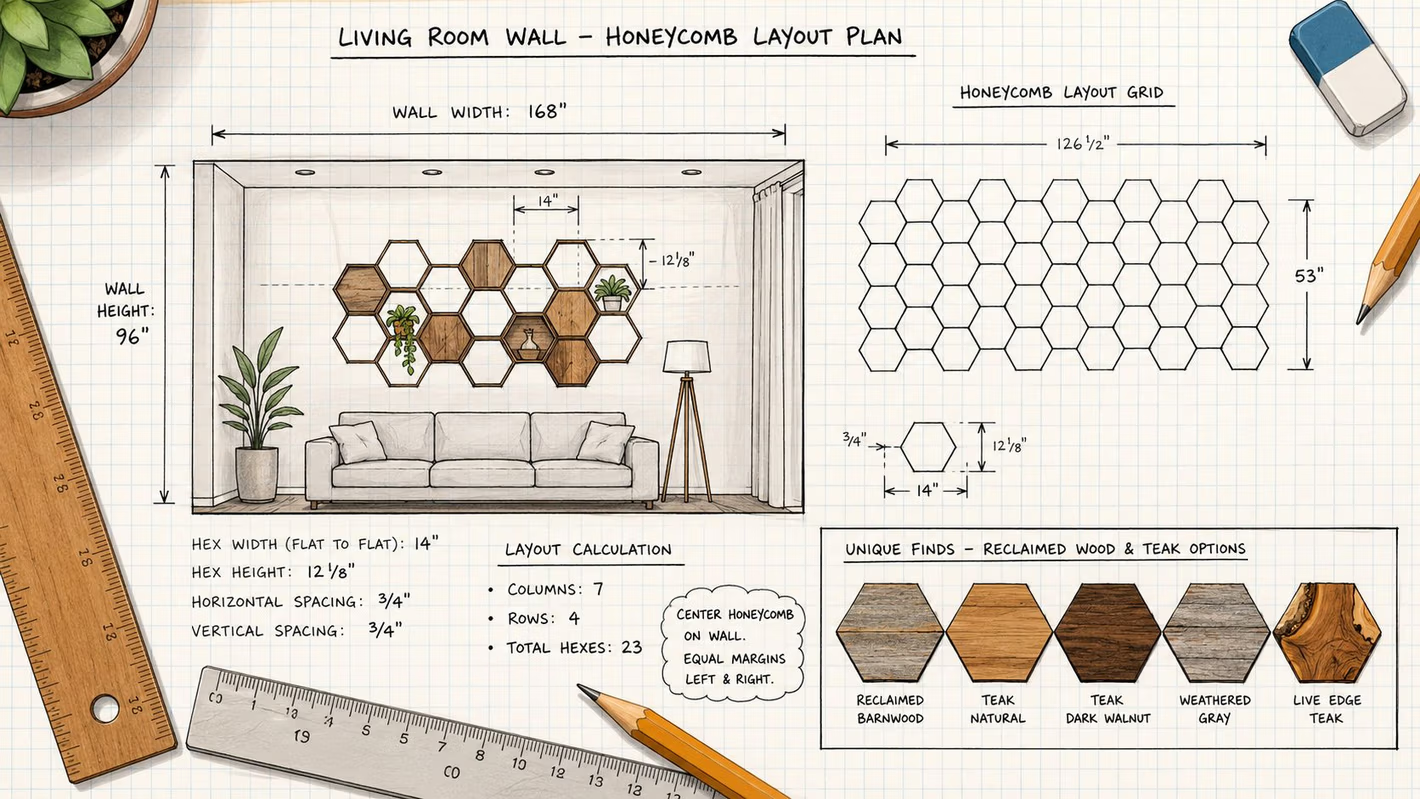
Layout habit: If the room has a sofa, console, or headboard, center the composition on that piece first, then fine-tune the hexagon spacing.
For a cleaner room-wide balance, the step-by-step guide to hanging your picture with precision is a useful reference for proportion. The principle is the same here, whether the wall holds a mirror cluster or a single bold panel, the layout has to belong to the furniture.
Mounting Honeycomb Wall Decor Safely
Many people get careless at this stage. The wall may look ready, but the substrate, anchor choice, and fastening method decide whether the piece stays put or starts creeping out of alignment over time. Honeycomb-faced panels can be light, but light doesn't mean forgiving, because the attachment point is still where failures happen.
Check the wall first
The wall should be flat, sound, and free of loose paint or dust. Drywall needs a different approach than plaster, and textured or freshly painted surfaces deserve extra caution because the adhesive bond or anchor grip can change. Locate studs where possible, then match the fastener to the wall substrate instead of trusting a nominal panel weight alone.
Hard truth: The panel weight is only part of the story. Pull-out capacity at the anchor point matters more.
Use the fastening method the piece actually needs
For a smaller decorative piece, a rated adhesive-backed mount may be enough if the manufacturer designed it that way. For larger mirror clusters or shelf-like assemblies, mechanical fastening is the better choice, and in many cases it's the only sensible one. A French cleat works well for heavier wall decor because it spreads the load and keeps the piece seated properly.
The practical workflow is straightforward.
- Verify the substrate so the wall can hold the load.
- Find studs or choose an approved anchor for the wall type.
- Dry-fit the piece and confirm the alignment.
- Fasten mechanically first, then use adhesive only as a secondary anti-rattle measure if the system allows it.
- Check for level and seating after tightening.
For a careful hanging process that keeps the finish intact, the precision hanging guide is a useful reference point. The same discipline applies here, because edge lift and joint creep usually come from rushed installation, not from the design itself.
Keep renter walls in mind
Renters need a more conservative plan. Command strips or other removable systems can work for lighter pieces if they're rated for the panel and the wall finish, but they shouldn't be treated like a universal answer. Test a small hidden area first if the wall has texture, fresh paint, or a questionable finish. If the piece is large or valuable, use a reversible but stronger mounting plan instead of gambling on adhesive alone.
Styling Honeycomb Pieces With Furniture and Lighting
A good wall piece should feel connected to the room, not pasted onto it. The easiest way to make honeycomb wall decor look intentional is to tie it to the furniture below it and to the light around it. When the wood tone, finish, and lighting all agree, the wall starts looking designed instead of assembled.
Match the materials to what's already in the room
A teak console pairs naturally with teak or warm wood hexagons. A reclaimed wood dining table can handle a wall piece with a little more texture, because the character belongs to the same visual family. If the room already has a bold sofa or a busy rug, keep the wall piece calmer so the eye has one clear place to land.
Lighting does a lot of the heavy lifting. Directional floor lamps, picture lights, and sconces pull out depth in raised or layered pieces, while softer ambient light keeps mirrors or metal from feeling too sharp. A 3D piece can look flat in poor light and beautifully dimensional when the light hits its edges.
Know when to echo the shape
One hexagon is enough in many rooms. Repeat the shape subtly through a side table base, a lamp detail, or a small tray, and that's usually plenty. Repeat it too often and the room starts feeling themed instead of furnished.
For lighting ideas that support the room rather than overpower it, the living room lighting guide gives a helpful frame. Good lighting doesn't just brighten the wall, it shapes how the decor reads across the day.
A wall piece should borrow energy from the room, not compete with the sofa, table, or bed.
That's the cleanest rule for styling. Let the honeycomb be the focal point when the rest of the room is quiet. Let it be a supporting accent when the furniture already has strong personality.

DIY Versus Buying or Commissioning
DIY appeals to people who like control, and that's fair. A handmade honeycomb piece can feel personal, and it can save money on labor, but precision matters here more than in a loose boho project. The hexagon shape looks best when the cuts, edges, and spacing are crisp, so a rushed DIY job often ends up looking more homemade than homey.
Weigh the trade-offs
DIY makes sense when the goal is a simple, lightweight piece, the tools are already on hand, and the wall doesn't need a custom finish. It becomes a poor choice when the piece has to match existing furniture or cover a large wall neatly.
Buying a finished piece is the easiest route when time matters and the room needs a predictable result. It's also the safer path when the wall decor has to arrive ready to mount without a finishing project at home.
Commissioning a maker or sourcing a curated piece fits best when the room needs character woods, unique proportions, or a finish that doesn't look mass-produced. That's where reclaimed wood and teak stand out, because the material itself carries enough presence to justify the wall space.
Use a simple decision filter
- Time: If the room needs to be finished this weekend, skip the build.
- Finish match: If the decor has to echo a console, table, or bed frame, choose the path that gives the closest wood tone.
- Uniqueness: If the room already looks common, custom work earns its keep.
- Skill level: If precise layout and clean joins are a stretch, don't force a complicated DIY.
For anyone considering a custom route, the custom order guide is a practical place to think through the process. Seeing a piece in person still beats guessing from a product photo, especially when the wall decor has to sit beside furniture that's already in the room.
Caring for Your Piece and Bringing It Home
Once the piece is mounted, keep the care simple. Dust wood with a dry or lightly damp cloth, wipe metal gently, and stay careful around painted, resin, or 3D-printed finishes so the surface doesn't get clouded or scratched. If the piece uses brackets or concealed supports, check the hardware periodically and tighten anything that starts to loosen.
Keep the finish and the mount in good shape
If a panel begins to lift, don't ignore it. The issue is usually at the attachment point, not the decorative face, and that's where a proper repair matters most. Humid rooms, textured walls, and weak prep work all make maintenance more important, not less.
A little habit goes a long way here.
- Dust regularly: Keep buildup off edges and joints so the geometry stays crisp.
- Avoid harsh sprays: They can leave residue on painted or detailed surfaces.
- Inspect the mount: Look for movement, especially after seasonal temperature changes.
- Call a pro early: A lifting edge is easier to fix before the damage spreads.
Best move: Treat the wall piece like furniture. It deserves the same attention as a sofa, table, or bed frame.
That's the reason it's smart to see the piece in person before bringing it home. A showroom visit lets shoppers test how the finish reads in real light, judge the material next to other furnishings, and make sure the scale feels right before money and wall space are committed. For families in Southern Oregon, that practical check matters even more because the room usually has to work for daily life, not just for the photo.
Established Est. 1946, Gates Home Furnishings still follows George Gates' original promise of Service and Value, and that approach fits this kind of purchase. A place to test comfort, compare finishes, and ask real questions saves a lot of second-guessing later. The 30,000 sq. ft. showroom in Grants Pass gives shoppers room to look at La-Z-Boy, Flexsteel, Ashley, and Beautyrest, along with Unique Finds in reclaimed wood and teak, while Gates Easy Pay keeps options open with $0 down, 6-month interest-free, and no-credit-needed financing. White-glove delivery matters too, because it means professional assembly and mattress haul-away instead of a pile of boxes at the door.
Visit our Grants Pass Showroom at Gates Home Furnishings or browse our collection online today, and choose honeycomb wall decor with the confidence that it fits your wall, your furniture, and your budget.