
What to Look for in a Bed Frame That Lasts and Fits


A new bed often starts the same way. Someone gets focused on the mattress feel, the price tag, maybe the headboard style, then realizes later that the frame underneath is what decides whether the whole setup feels solid, fits the room, and holds up over time. At Gates Home Furnishings, we've seen that the frame is usually the quiet part of the purchase, but it's also the part that keeps comfort, clearance, and daily use working together.
That's why what to look for in a bed frame should start with fit and support, not finish and flair. The right frame helps the mattress perform the way it should, keeps noise down, and leaves enough room to walk, dress, and move around the bedroom without bumping corners. The wrong one can create sagging, uneven wear, and a lot of little annoyances that show up every night.
We've been serving Southern Oregon since Est. 1946, built on George Gates Jr.’s promise of Service and Value. That same plain-spoken approach still guides how we help folks choose bedroom furniture in Grants Pass, Medford, Central Point, Ashland, and across the Rogue Valley. Our 30,000 sq. ft. showroom in Grants Pass gives shoppers a place to test comfort, compare styles, and make sure the frame works with the room before anything gets delivered.
Introduction Why Your Bed Frame Matters More Than You Think
A lot of shoppers come in thinking the mattress is the whole story. Then they get home, set it on the wrong base, and notice the frame squeaks, the mattress dips, or the room feels crowded because the footprint is bigger than expected. That's when the hidden job of the frame becomes obvious.
A good bed frame does more than hold weight. It supports the mattress properly, helps the room flow better, and keeps the bed from feeling like a bulky obstacle. A poor one can throw off the whole bedroom, especially when the frame and mattress aren't matched to each other.
Start with the frame, not the finish
The smart order is simple. Fit comes first, then build quality, then support, then height, then style. If those basics don't line up, a frame can look great and still be a headache.
Practical rule: the frame should make the mattress feel settled, not forced.
That's the lens we use at Gates Home Furnishings. The bed has to work in real life, in real homes, with real bedroom traffic and real sleep habits. George Gates Jr.’s original promise of Service and Value still fits that mindset, because service means helping people avoid the wrong buy in the first place.
For shoppers who want to test the feel in person, the 30,000-square-foot showroom in Grants Pass is the easiest place to compare solid frames, storage styles, and bedroom setups side by side. It's also where shoppers can see how a frame changes the whole room before making a choice.
Getting the Right Fit for Your Mattress and Room
A mattress can fit the room while its frame does not. Measure the complete frame, including the headboard, footboard, rails, and storage sections, before judging style or finish. A queen mattress measures 60 x 80 inches, while a typical frame may be about 62 to 65 inches wide and 82 to 85 inches long. A king mattress measures 76 x 80 inches, and its frame may require about 78 to 81 inches in width and 82 to 85 inches in length. Purple's bed frame size guidance shows these common frame dimensions clearly.
Measure the bed and the room as separate jobs
Room planning deserves its own measurement. A frame may fit between two walls yet leave too little space for walking, nightstands, drawers, or doors that need to open fully. Purple's room planning guidance recommends a queen room at about 10 x 10 feet and a king room at about 12 x 12 feet, useful starting points for preserving practical paths around the bed.
Use this checklist before shopping:
- Measure the mattress: record its width, length, and thickness.
- Measure the full frame footprint: include the headboard, footboard, side rails, drawers, and any sections that extend beyond the mattress.
- Measure room clearance: check walking space on both sides and at the foot, along with room for nightstands.
- Measure the delivery path: record doorways, stair turns, hallway bends, and elevator openings. A frame that fits the bedroom still has to reach it.
The frame's height also affects compatibility. A tall base can make a thick mattress feel uncomfortably high, while a low frame may leave less room underneath and alter how easily you get in and out of bed. Confirm the mattress and frame dimensions together, especially if the mattress warranty specifies a particular foundation or support arrangement.
Bedding can provide another useful visual check. The that Blanket Co queen sizing guide helps shoppers judge how bedding scale will look on a queen setup, which matters when floor space is already limited.
Bring the tape measure, not guesses
A tape measure, doorway notes, and a simple room sketch make the decision easier. Mark the planned bed footprint on the floor with painter's tape, then walk around it and open nearby doors or drawers. That quick test can reveal a tight corner before delivery day.
Whether the bedroom is in a Grants Pass home, a Medford rental, or an Ashland guest room, the frame must fit the route in and the space around it. Our guide to choosing the best bed size for your home offers a practical companion for planning the whole bedroom. The goal is a frame that supports the mattress warranty and lets the room function comfortably.
Materials and Build Quality That Stand the Test of Time
Once the measurements are right, build quality becomes the next filter. A frame can have the right dimensions and still fail early if the joints loosen, the finish chips, or the structure flexes too much under normal use. That's why the feel of the frame matters as much as the look.
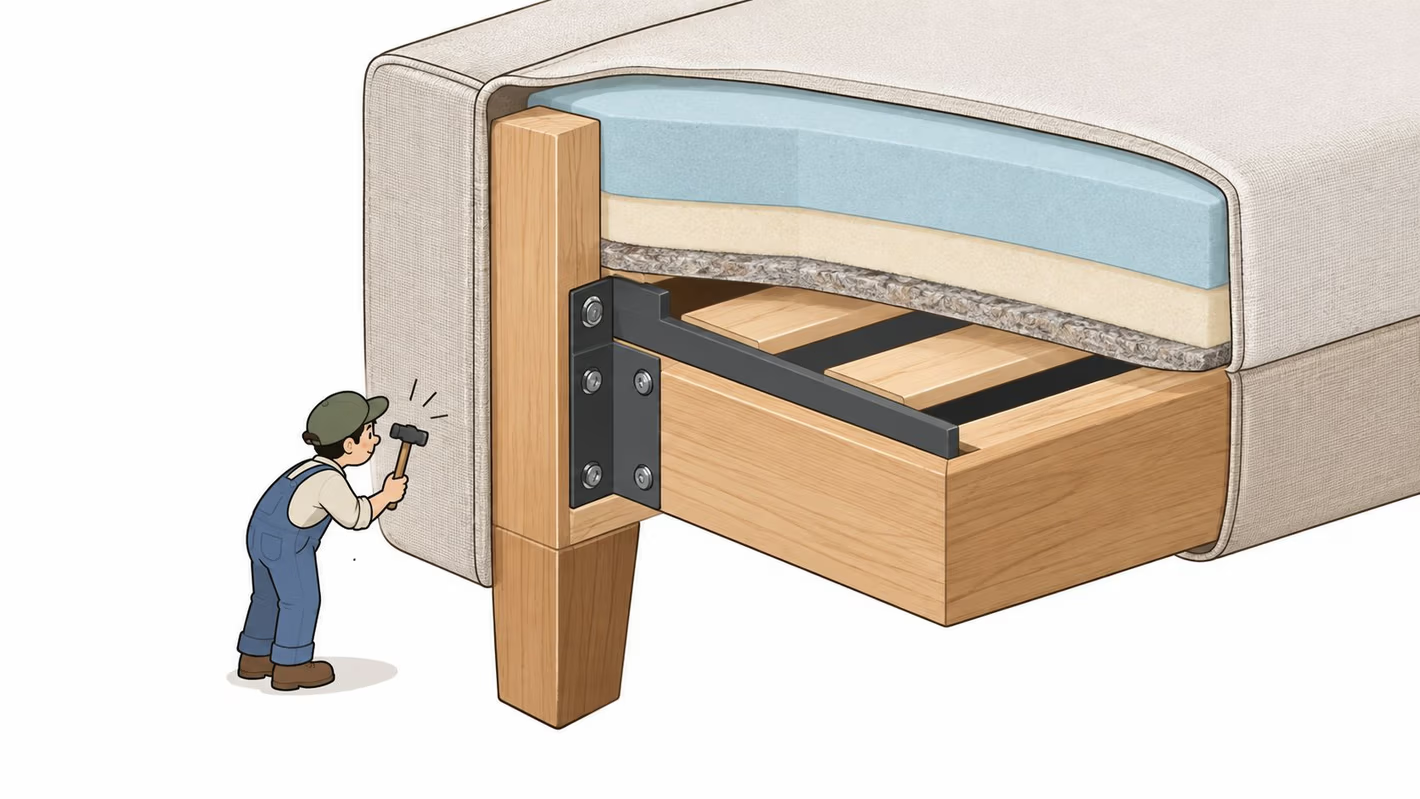
Hardwood and steel usually give shoppers the most confidence when long-term stability matters. Both resist warping and help the frame stay aligned, which lowers squeaks, racking, and uneven wear. Upholstered frames can be comfortable and attractive, but the hidden structure still needs to be sturdy if the bed is going to stay quiet and level.
What to look for when the frame is in front of you
A strong frame should feel settled, not loose. When a shopper presses on the corners or shifts weight side to side, the frame shouldn't twist or give a hollow, flimsy impression. Tight joints, reinforced corners, and smooth hardware connections are good signs because they reduce movement where stress collects.
A quiet frame usually starts with a tight joint and a straight rail.
A few simple cues help separate solid construction from decorative shortcuts:
- Stiff corners: corners should feel locked in, not soft or springy.
- Clean joinery: visible hardware should stay aligned and not wobble under pressure.
- Hard-wearing materials: hardwood and steel are better at holding shape over time.
- Smooth finish: a careful finish often signals more attention to overall construction.
- Consistent assembly feel: the frame shouldn't creak just from a small shift in weight.
Shoppers who want to compare materials can use our bedroom furniture guidance on choosing the right hardwood for longevity and style as a practical reference point. It helps to think about material as a mix of feel, care, and durability, not just appearance.
In our Grants Pass showroom, we often suggest a side-by-side test. Put one hand on the headboard and one on the rail, then give the frame a gentle push. A well-built frame settles back without a rattle. That's the kind of small test that tells you more than a product photo ever will.
Support System and Mattress Compatibility You Can Measure
A beautiful frame can still be the wrong choice if it does not support the mattress correctly. Foam, latex, and many hybrid mattresses need closely spaced slats so their weight stays supported instead of dipping into the gaps. WellWhisk recommends flat slat gaps of 50 mm, or about 2 inches, or less. For sprung slats, guidance commonly places the spacing in the 25 to 40 mm range, or about 1 to 1.5 inches. Another guide allows gaps of about 2.75 to 3 inches, while memory foam and latex often require spacing under 2 inches. Enkle Designs and Mattress Vetted reinforce the same practical lesson: closer support helps limit sagging and protects the mattress from uneven pressure.
The slat gap is the number that matters
Measure the open space between the edges of neighboring slats, not the distance from one slat's center to the next. A frame can look well supported while still leaving gaps wide enough for the mattress to press downward. Check the head, middle, and foot of the frame as well, since spacing may change along its length. Knickerbocker Bed Frame recommends making that full-length check.
The mattress warranty deserves the same attention as the frame's construction. Look up the mattress maker's support requirements before buying, then compare them with the frame's slat spacing and base design. A mismatch may affect how the mattress performs and can create warranty concerns later.
Queen and king frames also need dependable center support. Look for a center rail with legs that reach the floor, since the middle span carries substantial weight over time. One source recommends at least one leg near the center for full and queen sizes, and at least two near the center for king and California king sizes. Tampa Mattress and Bolon Home both describe center support as a practical requirement for larger frames.
Bed Frame Support Quick Check
| Check | What to Look For | Why It Matters |
|---|---|---|
| Slat spacing | Clear gaps stay tight and consistent | Keeps the mattress from dipping between supports |
| Center support | Rail and floor legs under larger frames | Reduces sagging across the middle span |
| Mattress match | Platform base or closely spaced slats | Supports foam, latex, and many hybrid mattresses |
| Warranty fit | Base follows the mattress maker's rules | Helps avoid support-related warranty problems |
| Gap measurement | Check the head, middle, and foot | Finds uneven spacing before it causes trouble |
A box spring may or may not be needed. Many modern frames are built to work without one, provided the slats and center support meet the mattress requirements. Our box spring guide explains the decision in plain terms, so you can choose the support system first and then consider style, height, or storage.
Height and Storage Options for Everyday Living
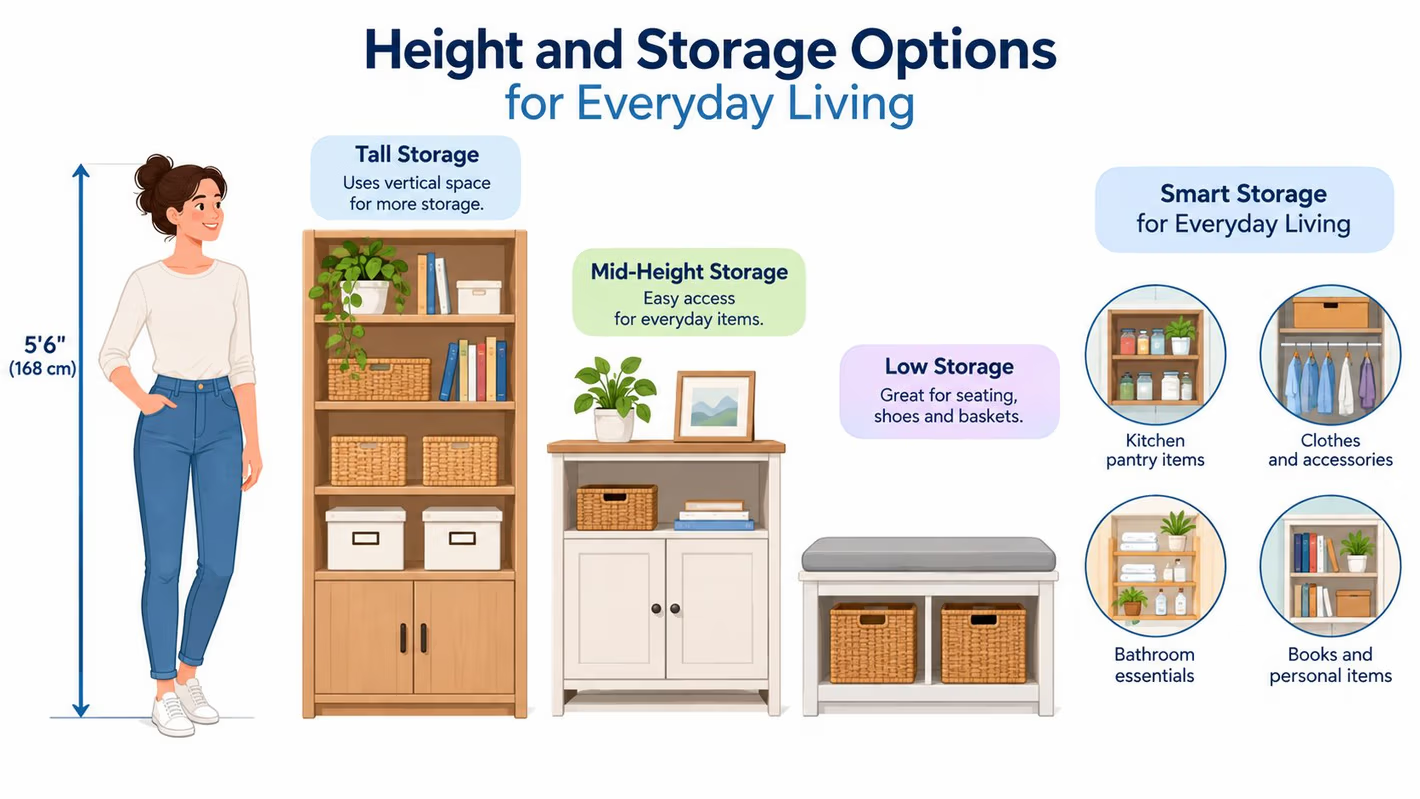
A frame can look right in the showroom and still feel awkward at home if its height does not suit the mattress, sleeper, or room. Bed frames commonly sit around knee height, about 12 to 16 inches tall. That measurement affects how easily someone gets in and out of bed, how much clearance remains underneath, and how high the finished mattress will sit.
For older adults, a moderate height can make the daily sit-down and stand-up motion easier. Families may care more about whether bins, baskets, or seasonal items fit below the frame. Renters in Medford, Central Point, and Ashland often need both goals at once: useful storage without making the bedroom feel crowded.
Compare the common height styles
Low-profile platform frames place the mattress closer to the floor and create a grounded, modern feel. They can suit smaller rooms, though the reduced clearance may leave little space for storage. Standard-height frames offer a practical middle ground, balancing easier access with room beneath for everyday items.
Storage bases change how the bedroom functions. Built-in drawers can hold clothing or linens in guest rooms, shared bedrooms, and smaller primary suites where closet space is limited. Lift-up bases provide concealed storage when side-opening drawers would block a walkway or nightstand.
Before choosing a style, match the height to the room's routine:
- Need easier entry: a standard height generally makes sitting down and standing up more comfortable.
- Need more storage: drawer bases or lift-up frames use space that might otherwise go unused.
- Need a lighter visual footprint: low-profile designs leave more open wall and floor area.
- Need a flexible guest setup: a simple platform frame keeps the arrangement straightforward.
Storage should support the mattress setup rather than work against it. A thick mattress on a tall base may raise the sleeping surface more than expected, while a low frame can make under-bed access difficult. Measure the mattress and the available clearance together before ordering.
Our bedroom storage guide explains how drawers, lift-up compartments, and open clearance differ in daily use. The right height should fit the sleeper, the mattress, and the room's routine.
Style and Finish That Make the Bedroom Yours
Style matters, but it works best after the frame passes the practical checks. Platform, sleigh, canopy, upholstered, and wood statement frames all change the mood of a bedroom, yet the same bed can feel calm, formal, or bold depending on the finish and shape. The point is to choose a look that supports the room instead of fighting it.
Rounded upholstered frames soften a space. Wood frames bring structure and warmth. Sleigh and canopy silhouettes make more of a visual statement, so they work best when the rest of the room has room to breathe.
Let the room's scale guide the look
The safest style choice is usually the one that matches the rest of the furniture. A heavy frame can overpower a small room, while a light frame can disappear in a larger suite. Headboard height, leg shape, and finish tone all affect that balance, especially when the bed sits near tall dressers or wide nightstands.
Gates Home Furnishings also carries Unique Finds in reclaimed wood and teak, which gives local shoppers something different from the usual mass-market look. Those pieces tend to work well when someone wants the bedroom to feel collected rather than copied.
A frame should feel like it belongs with the rest of the room, not like it arrived from a different story.
Under showroom lighting, finish colors read differently than they do at home. That's why it helps to see the frame beside bedding, dresser samples, and a nightstand if possible. The best-looking frame is the one that still feels right after the room is lived in.
A few practical style checks help narrow it down:
- Match the mood: soft upholstery for a relaxed room, cleaner lines for a modern one.
- Check the leg detail: tapered, blocky, or hidden legs change the visual weight.
- Watch the finish tone: warm woods, cool neutrals, and painted surfaces all age differently in a room.
- Think beyond the headboard: the whole silhouette matters once bedding is in place.
Comfort and durability should stay ahead of trends. A stylish bed that feels flimsy won't age well, and a strong frame with a thoughtful finish usually serves the room longer.
Smart Buying From Delivery to Budgeting With Confidence
Once the frame fits, supports the mattress, and works in the room, the last piece is logistics. Buyers should ask who sets it up, whether old bedding can be removed, and whether the frame will be assembled correctly on delivery day. For a plain-language look at what assembly involves, TLC Moving & Storage's furniture assembly guide is a useful reference point, especially for shoppers weighing whether professional setup is worth the trouble.
That's where White-Glove Delivery matters. At Gates Home Furnishings, delivery means more than dropping boxes at the door. Our team handles professional assembly and mattress haul-away, which saves time and keeps heavy lifting off the customer's shoulders. For many households, that's the difference between a stressful setup and a bed that's ready to use the same day.
Protect the purchase before it arrives
Warranty terms and support specs go hand in hand. If a mattress requires close slat spacing or a center support leg, the frame has to meet that standard from the start. Otherwise, the buyer may be left dealing with premature wear or a support issue that should have been avoided.
The same logic applies to spill and tear protection. Gates Care Shield is designed to help protect the investment against life's accidents, which is especially helpful in homes with pets, kids, or frequent guests. That kind of coverage doesn't replace good construction, but it does add a layer of reassurance after delivery.
Budgeting should feel simple, not heavy. Our Southern Oregon furniture financing options include $0 down, 6-month interest-free, and no-credit-needed options through Gates Easy Pay, which helps families choose a frame that fits both the bedroom and the budget. Flexible payment choices can make it easier to buy the right support now instead of settling for a frame that won't last.
At Gates Home Furnishings, that still comes back to George Gates Jr.’s promise of Service and Value. It means helping shoppers make a bed-frame decision that holds up at delivery, during sleep, and long after the first night.
Visit our Grants Pass Showroom to test bed frames in person, compare support and height, and see how the right base changes the whole room. Or browse Gates Home Furnishings online for bedroom options, delivery help, and the kind of practical guidance Southern Oregon families have counted on since 1946.
