
Pet Friendly Furniture Fabrics Buying Guide

A dog has just claimed the showroom sofa, a cat is testing the armrest with one determined claw, and the shopper is standing between two attractive fabrics wondering which one will still look good after real life happens. That decision isn't about choosing a fabric labeled “pet-proof.” It's about matching pet friendly furniture fabrics to the way a household lives.
A useful fabric should feel comfortable, suit the room, and handle the specific mix of fur, claws, moisture, mud, and cleaning that comes with the household. The following guide translates fabric construction and abrasion ratings into showroom-floor decisions for pet owners in Grants Pass, Medford, Central Point, Ashland, and throughout Southern Oregon.
Why Fabric Choice Matters in a Pet Household
A sofa's frame, springs, and cushion filling matter, but upholstery takes the direct contact. A dog jumps onto the seat, a cat kneads the cushion, and a wet nose or muddy paw reaches the surface before anyone can react. The covering becomes the household's first line of defense.
Four types of stress appear repeatedly:
- Abrasion: Kneading, jumping, sliding, and daily sitting wear down exposed fibers.
- Puncture: Claws can catch, pull, or break loose threads.
- Absorption: Moisture, drool, skin oils, and accident residue can move into the upholstery.
- Odor retention: Liquids that reach the padding can leave smells that surface cleaning won't fully remove.
A tight, resilient fabric can reduce those problems, while a loose, highly textured fabric may make them more obvious. That doesn't mean every textured sofa is unsuitable. It means the shopper needs to inspect the weave and understand the cleaning instructions before choosing a style.
Practical rule: A pet-friendly sofa should be selected for the animal's habits, not just the room's color palette.
A Grants Pass shopper can test comfort and construction inside a 30,000-square-foot showroom, rather than trying to judge a sofa from a small online photograph. Sitting on the cushion, examining the armrest, and checking how easily a hand moves across the fabric often reveals more than a product label.
The right choice can also reduce avoidable replacement and cleaning costs over the life of the sofa. A protection plan may provide another layer of help for accidental spills and tears, but it can't turn a snag-prone fabric into a claw-resistant one. Fabric selection comes first.
The Main Pet Friendly Fabric Types Explained
Each material handles pet life differently. The simplest way to compare them is to ask what the surface does when fur, claws, and moisture meet it.
Microfiber
Microfiber is a tightly woven polyester material with a smooth, suede-like hand. Its surface resembles a dense forest of tiny fibers. Because there are fewer open loops for claws to catch, cats and active dogs generally have less opportunity to pull the upholstery.
Microfiber also tends to make routine vacuuming and spot cleaning manageable. It can show pressure marks or water rings if cleaned carelessly, so the care label still matters. The trade-off is visual. Microfiber usually has a more uniform appearance than a richly nubby woven blend, though newer versions can provide more texture.
Leather
Top-grain leather is a hide, not a woven textile. Fur usually sits on the surface, and many spills can be wiped away before they soak in. Scratches, however, are part of the material's character. A cat that repeatedly uses the sofa as a scratching post may leave visible marks, and those marks can develop into patina over time.
Leather suits owners who prefer an honest, changing surface. It may not be the right match for someone who expects the upholstery to remain visually untouched.
Performance synthetics
Performance synthetics are engineered to handle demanding use. Materials sold under performance names may use protective finishes, dense construction, or fiber-level engineering to help manage stains and moisture. The useful analogy is a raincoat built into the fabric system, rather than a separate cover placed over the sofa.
These fabrics can be strong choices for families with frequent spills, muddy paws, or several pets. They still need prompt cleaning, and shoppers should ask for the actual abrasion and care specifications instead of relying on the word “performance.” Gates' upholstery materials guide offers additional context for comparing material families.
Woven blends
Cotton-polyester and olefin blends can offer a warmer, more natural hand and a broad range of colors and patterns. Their performance varies considerably. A tight weave with substantial synthetic content can work well, while a loose slub, boucle, or open chenille can give claws more places to catch.
The most useful comparison is not natural versus synthetic. It's tight versus loose construction, followed by abrasion performance and care requirements.
Pet Friendly Fabric Types at a Glance
| Fabric Type | Composition | Feel & Look | Pet Scratch Response | Stain Response | Price Tier |
|---|---|---|---|---|---|
| Microfiber | Tightly woven polyester | Smooth, soft, suede-like | Generally resists snagging | Usually manageable with prompt care | Mid-range |
| Top-grain leather | Natural hide | Warm, substantial, develops patina | Scratches remain visible | Fur and many surface spills wipe away | Mid to premium |
| Performance synthetic | Engineered synthetic fibers and finishes | Broad range, from smooth to tailored weave | Usually strong when tightly woven | Designed for easier cleanup, subject to care instructions | Mid to premium |
| Woven blend | Cotton-polyester or olefin mix | Natural-looking, varied texture | Depends heavily on weave tightness | Varies by fiber and finish | Budget to premium |
Weave, Finish, and What Durability Ratings Really Mean
A fabric sample tells two stories. The first is visible, the pattern, texture, and color. The second is hidden in the specification sheet, where abrasion testing and care instructions reveal how the covering was evaluated.
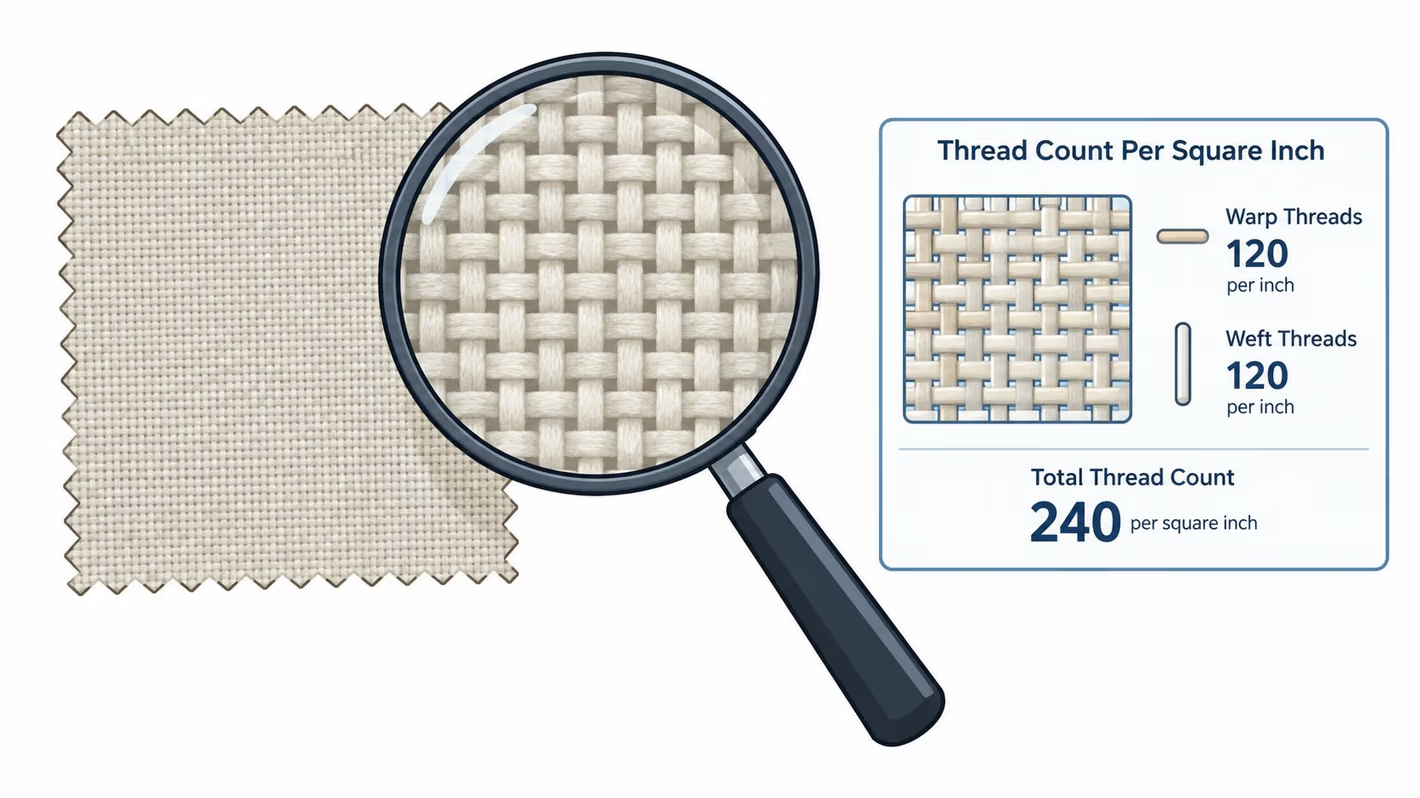
A tight plain or twill weave leaves fewer openings for claws to catch. A loose boucle or highly raised texture can create loops and ridges that invite snags. Thread count can provide useful context, but weave tightness and abrasion performance usually matter more than a large-sounding thread-count claim.
Reading Wyzenbeek and Martindale
The Wyzenbeek test reports double rubs. The Martindale test reports cycles. Both measure repeated abrasion from actions such as sitting, sliding, and regular traffic, but their figures shouldn't be treated as interchangeable one-for-one conversions. Upholstery testing guidance explains the distinction between the two methods.
Industry guidance commonly places standard residential fabric around 15,000 to 20,000 Wyzenbeek double rubs, while pet households are often advised to target at least 50,000 double rubs. High-performance coverings can exceed 100,000 double rubs. These benchmarks come from comparative upholstery guidance on pet-friendly furniture fabrics.
For Martindale, heavy-duty residential and commercial upholstery commonly starts around 40,000 to 50,000 cycles or higher, while practical pet-friendly guidance often recommends at least 30,000 double rubs for a hardworking household. A current upholstery standards guide separates light-duty fabrics around 10,000 to 15,000, medium-duty fabrics around 15,000 to 30,000, and heavy-duty fabrics at 30,000 or more.
Turning ratings into showroom decisions
A Wyzenbeek rating of 50,000 double rubs doesn't promise that claws can't puncture a surface. It indicates stronger resistance to repeated rubbing. A tightly woven fabric at that level may suit a sofa receiving daily kneading from indoor cats, while a loose fabric with the same abrasion result may still present snag risks.
A high rating measures wear resistance. It doesn't measure every form of pet damage.
Ask to see both test results when available. Then examine the edge, arm, and cushion surface, because those are the areas pets and people use most. Gates' performance fabric furniture information can help shoppers understand why the specification sheet deserves as much attention as the color card.
Matching Fabrics to Common Pet Situations
The best fabric depends on the mess. A cat that kneads an armrest creates a different challenge from a young dog returning from a muddy trail.
| Pet Situation | Microfiber | Top-Grain Leather | Performance Synthetic | Woven Blend |
|---|---|---|---|---|
| Cat claws on armrests | Strong choice when tightly woven, though repeated scratching can still mark it | Scratches show clearly but don't create loose textile loops | Strong choice when dense and smooth | Lowest choice if loose, looped, or highly textured |
| Dog shedding on seat cushions | Fur can be vacuumed, though color affects visibility | Fur generally rests on the surface and wipes away | Usually manageable, especially with a smooth finish | Depends on texture, raised surfaces can hold hair |
| Puppy accidents and lingering odor | Prompt blotting is essential before moisture travels inward | Surface cleanup is straightforward, but seams and padding still need attention | Often a practical choice for spill management, subject to care label | Absorbency varies and can make delayed cleanup harder |
| Muddy paws after a Rogue River trail walk | Usually practical for spot cleaning | Easy surface wipe-down, with care around seams | Strong option when the finish and cleaning instructions support it | Works best when tightly woven and treated |
Cat claws on armrests
Cats often choose the same raised edge repeatedly. Microfiber and dense performance weaves reduce snag opportunities, while leather accepts the fact that scratches may become part of the look. Traditional woven blends need close inspection. A smooth, tight surface is preferable to an open loop.
Shedding on cushions
Leather makes loose fur easy to see and remove. Microfiber and smooth performance synthetics generally allow vacuum attachments to move across the surface without much resistance. A textured blend may disguise some hair but can hold it in the weave.
Accidents and odor
No upholstery should be treated as permission to delay cleanup. Blotting quickly matters more than choosing a label that promises stain resistance. Performance synthetics can provide useful breathing room, but owners should still follow the manufacturer's cleaning instructions.
Muddy paws
A performance synthetic or leather surface may be easier to wipe after a wet outing. Microfiber can also work well with careful spot treatment. Woven blends remain viable when the construction is dense and the care label supports the household's cleaning routine.
In the showroom, shoppers can drag a fingernail lightly across a sample, press a clean damp cloth against an inconspicuous portion when permitted, and check whether the surface has loops that catch. Those tests don't replace a specification sheet, but they make the ratings easier to understand.
Cleaning and Maintenance Habits That Extend Fabric Life
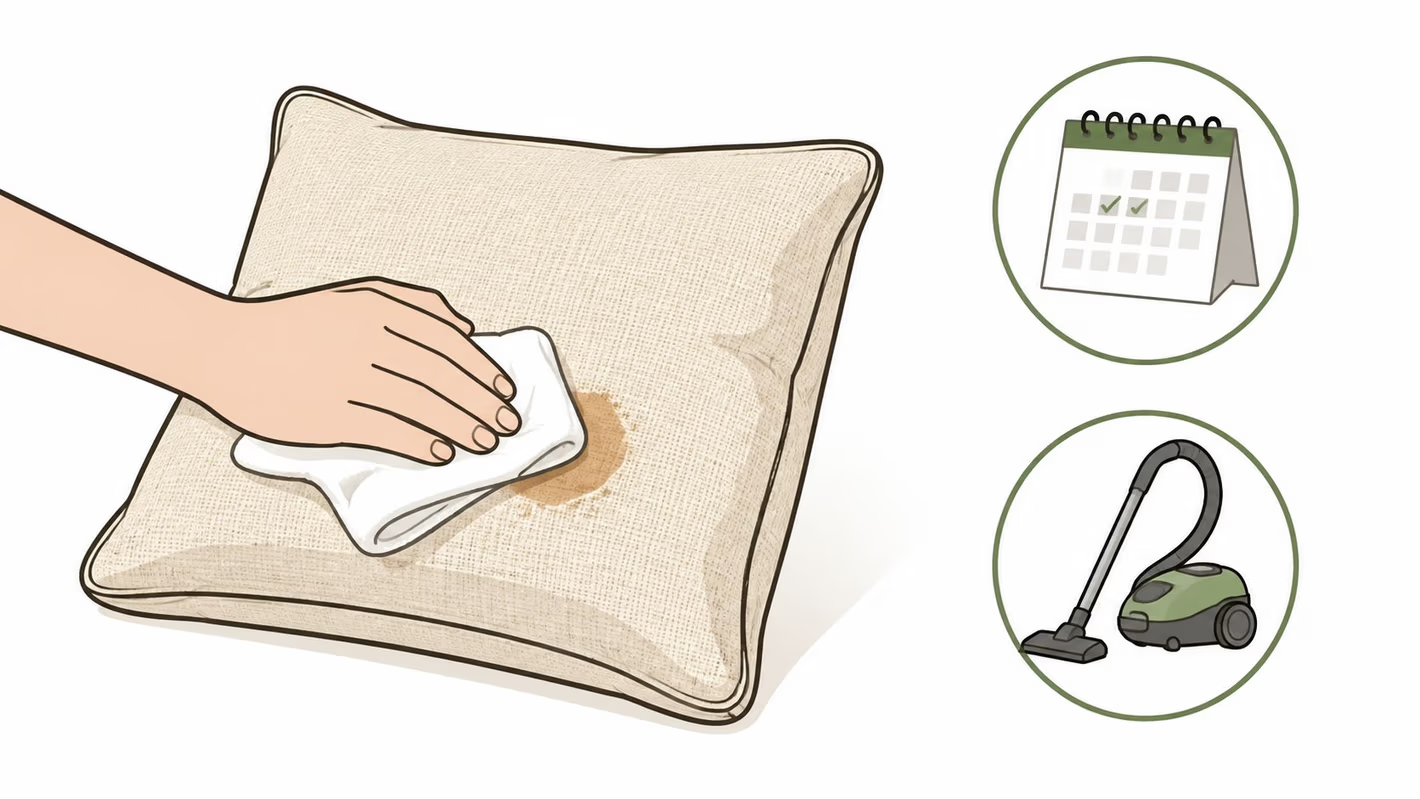
The first response to a spill should be simple. Blot with a clean cloth instead of rubbing, because rubbing can push the mess deeper or disturb the surface. Apply cleaner to the cloth rather than directly to the upholstery, and use a mild or enzymatic spot treatment only when the care instructions allow it.
Keep heat away from a fresh pet stain. Allow airflow and let the area dry without heat, following the practical guidance in this pet upholstery cleaning resource.
A manageable care rhythm
Weekly care should focus on hair, dander, and surface grit. Use an upholstery attachment, move along seams, and lift loose cushions so fur doesn't build up underneath. A small cleaning kit beside the sofa can include clean white cloths, an approved cleaner, a soft brush, and a waste bag.
Monthly care deserves a slower inspection. Check armrests, cushion edges, and the places where pets enter the sofa from the floor. If the cushions are loose and the manufacturer permits it, rotate them periodically to spread wear rather than letting one favorite spot absorb every jump and nap.
For households dealing with stubborn shedding, this resource on tackling stubborn pet fur offers additional removal ideas. Reclining furniture needs attention around moving parts and footrests, and Gates' guide to cleaning a recliner provides related care direction.
Stop and call a professional when a stain spreads, reaches the cushion interior, carries a strong odor after approved spot cleaning, or has an unknown chemical source.
A printable habit list
- Blot promptly: Press, lift, and repeat instead of scrubbing.
- Clean gently: Use an approved mild or enzymatic treatment.
- Dry naturally: Provide airflow and avoid heat.
- Vacuum seams: Hair and grit collect where cushions meet.
- Inspect often: Look for snags before they become pulls.
- Rotate when allowed: Even out wear on loose cushions.
- Check the label: Manufacturer instructions control every cleaning decision.
Washable slipcovers can add practical flexibility to some performance sectionals, but they still need laundering according to the maker's directions. No cover replaces a suitable weave and consistent care.
Rethinking the Toughest Synthetic as the Only Answer
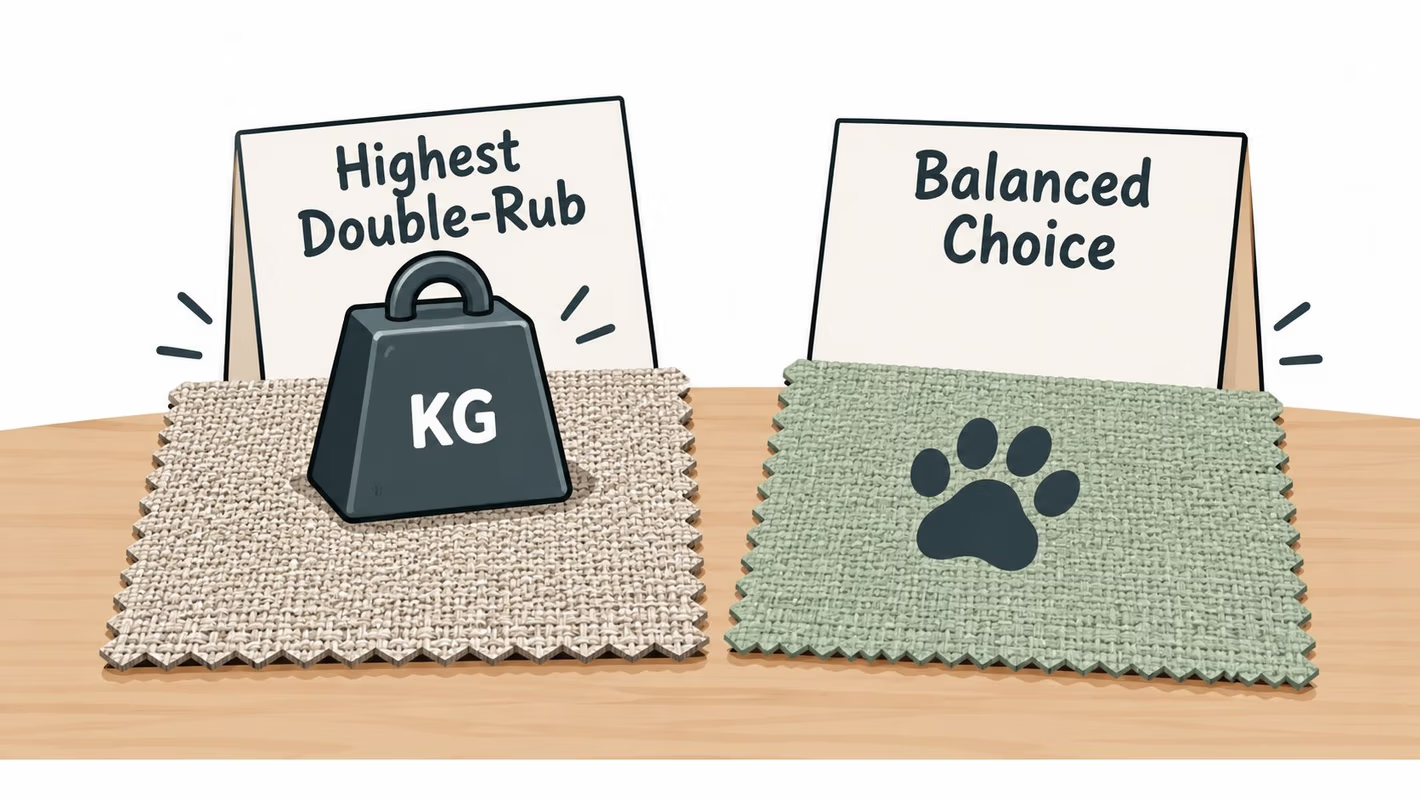
The highest abrasion number isn't automatically the right choice for every pet home. Legacy performance weaves earned their reputation because they can handle demanding use and simplify cleanup, but comfort, breathability, appearance, and material preferences also shape a successful purchase.
A very dense surface may feel warmer or less breathable against a pet's coat. Some shoppers also prefer the hand of a softer weave or the natural development of leather. A household that values indoor air quality or lower-impact materials may want to ask whether a fabric uses a PFAS-free finish, recycled fibers, a plant-based coating, water-based polyurethane, or another newer chemistry.
Recent market coverage describes movement toward bio-based materials, water-based polyurethane, organosilicon leather, and PFAS-free durability claims, while also identifying a lack of equal comparisons across abrasion, stain removal, and odor resistance. That unresolved comparison is important. A greener claim shouldn't be accepted as proof of pet performance, and a high abrasion result shouldn't be accepted as proof of low environmental impact. The 2026 discussion of durable pet-friendly sofa fabrics outlines this tension.
A balanced material decision
A shopper comparing a legacy performance fabric with a PFAS-free alternative should request the same categories of information:
- Abrasion result: Wyzenbeek double rubs or Martindale cycles.
- Cleaning directions: Approved products, drying method, and restrictions.
- Stain behavior: Whether liquids bead, spread, or absorb.
- Odor management: What happens if organic residue reaches the surface.
- Hand-feel: Whether the fabric remains comfortable for people and pets.
The toughest synthetic remains a strong default for heavy traffic, but it isn't the only credible answer. A balanced material can better fit a household that wants durability alongside a softer drape, more natural appearance, or a different finish. Gates' information on stain protection for upholstery can help shoppers frame protection as part of a larger care plan rather than a substitute for good fabric selection.
A Practical Buying Guide for Southern Oregon Pet Owners
A showroom visit works best when the shopper arrives with a short description of daily life. A photo of the dog or cat, room measurements, doorway widths, and a note about muddy paws or scratching habits can turn a broad furniture search into a focused fabric decision.
Start with the room and traffic
Measure the entry path before falling in love with a sectional. Note where the pet jumps up, where food and water sit, and whether the sofa borders a door used after walks. A home near Rogue River recreation areas may face more wet-paw cleanup than a quiet room used mainly for evening reading.
Then narrow the fabric list by construction. Pet households commonly benefit from tight-weave microfiber or performance fabrics, while open loops deserve extra caution. Use the actual rating rather than a vague label. A practical target is at least 30,000 double rubs, while heavy-duty options are often specified at 40,000 to 50,000 or more on the relevant abrasion scale, as outlined in the earlier upholstery guidance.
Test the fabric in person
A showroom floor offers useful hands-on checks:
- Run a fingernail lightly across the sample. The goal isn't to damage it. The test reveals whether a claw might catch a loop.
- Press a clean damp cloth against the sample when staff approve the test. Observe whether moisture beads or absorbs.
- Sit in the pet's likely position. A cushion that feels comfortable to a person may also become the dog's preferred resting spot.
- Inspect the seam and arm. These areas often receive more contact than the center back.
- Ask for care instructions. A fabric that looks suitable but requires a process the household won't follow isn't a practical choice.
Review service and payment details
Gates Home Furnishings has served Grants Pass and the Rogue Valley since 1946, founded by George Gates Jr. on the promise of “Service and Value.” That philosophy matters when a shopper needs help comparing samples, arranging delivery, or selecting a protection plan.
Gates Easy Pay includes $0 down, 6-month interest-free options, and no-credit-needed financing options, subject to program terms. The store also offers professional in-home delivery with assembly and setup, rather than just leaving boxes at the door. A protection plan can address accidental spills and tears, while the delivery team helps reduce setup strain and protects the furniture during placement.
For shoppers comparing local options, this guide to places to buy living room furniture provides another way to prepare before visiting the Grants Pass showroom. The aim is a shortlist of two or three fabrics that match the household, not a rushed decision based on a single color.
Bringing It All Together for Your Home
The strongest fabric choice depends on the pet and the owner's priorities. Microfiber is a practical match for easy routine cleaning and a smooth, tight surface. Leather works well for owners who want fur to remain on the surface and accept visible claw marks as part of the material's character. Performance synthetics suit high-traffic households that need stain and moisture support. A tight woven blend can balance appearance, hand-feel, and cost when its construction and ratings are appropriate.
Abrasion ratings provide a useful durability benchmark, but they don't replace a close look at the weave. A high number can't prevent a claw from catching an open loop, and a treated finish can't eliminate the need for prompt blotting. The most reliable decision combines construction, tested wear performance, cleaning instructions, comfort, and the household's actual routine.
Consistent care remains the long-term protection for any upholstery choice. Blot spills, use approved enzymatic treatments when appropriate, vacuum seams, inspect for pulls, and rotate loose cushions when the manufacturer permits it. Those habits help preserve both the surface and the comfort underneath.
Pet owners can bring room measurements and pet photos to the Grants Pass showroom, compare swatches beside finished sofas, and test the feel before ordering. The showroom includes major furniture and mattress brands such as La-Z-Boy, Flexsteel, Ashley, and Beautyrest, along with Unique Finds made from reclaimed wood and teak for shoppers who want something beyond a standard big-box look.
Gates Home Furnishings offers performance upholstery guidance, flexible Gates Easy Pay options, protection planning, and white-glove delivery with professional assembly and mattress haul-away. Visit Gates Home Furnishings in Grants Pass to test pet friendly furniture fabrics in person, or browse the collection online and start building a shortlist for the Southern Oregon home.
